Stop guessing. Start cooking.
You might think that putting rice in a box with a heating element is easy. it is not. Not necessary if you want fluffy grains instead of sticky bricks. There are variables. Variables are important.
Let’s clear up some confusion first. The biggest mistake homeowners make is treating all rice the same. This is not true.
Зміст
White Rice vs. Brown Rice: What’s the Real Difference?
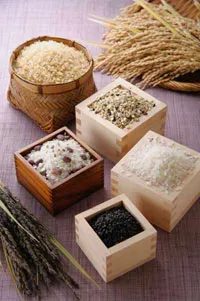
Consider rice. This is a plant species. The difference between white and brown rice is purely mechanical. It’s all about the polish.
Harvested rice has a hard outer shell. This is chaff. If you remove it, it becomes brown rice. There is also a bran layer. There is still bran left. Crazy. Hardy.
I’m still polishing it. Remove the bran. Eliminates bran. Now you can eat white rice. It is sterile. It is neutral. Cooks faster.
Why is this important for your device? Because brown rice requires more water. Give it more time. The settings are different. If you treat everything the same, you will fail.
Washing steps you can’t skip
This is the harsh truth.
If you don’t buy unwashed rice, you have to wash it.
There is dust. There is a rock. In some regions, the manufacturing process includes talc. I don’t want to add talc to my dinner. There is still some starch left.
Starch corresponds to stickiness.
Rinse until the water runs clear. It takes 30 seconds. The structure of each grain changes.
exception? Some high end fully automated equipment can handle this. If the machine can rinse automatically, skip the sink. Otherwise, use a slotted spoon.
Cup in box
Do you want to throw it away? No.
Keep the small plastic cup that comes with your rice cooker.
Meters vary in different parts of the world. The standard cup inside the box is unique according to the logic of this machine. If you’re using a standard American measuring cup or coffee cup, you’re misjudging the proportions.
Most kitchen utensils have an optimal weight capacity. Just because you have a 7 cup cooker doesn’t mean you have to fill it with water. The recommended amount is 4-6 cups.
Too much? The rice steamed unevenly. Burnt bottom. Keep the top tight.
Insufficient water? The sensor may not start the cooking cycle correctly. You get an uncooked mash.
Find your favorite place. Use branded cups for measurements.
Water ratio and traces of water
Let’s take a look inside the inner pot. The lines are etched into metal or plastic.
These lines are not arbitrary. Tailored for short grain white rice.
If you want to make a specific variety, write it on this line. Simple.
brown rice? Lines may vary. Sometimes they are double marked. Check the user manual.
What would happen if you used long grain or jasmine? Etched lines may be incorrect. You need to add more water. It’s less than that.
This is where freshness comes into play. Old rice is dry. Absorbs more liquid. We need compensation. Adjust the water level accordingly.
Why this is more important than a staple
Rice is not just a side dish.
It is a by-product of industry. A straw becomes a rope. We make cosmetics from rice bran. Rice starch ends up in toothpaste.
But that’s a topic for another day. Now you have grains to cook.
You need the right rice. the right cup. Sufficient water.
Do these three things and the machine will do the rest. Have you misunderstood them? You eat paste.
What kind of rice should I start with?