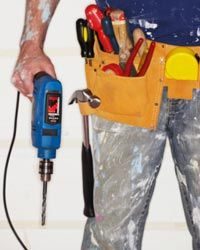
You probably wouldn’t use a drill for emergency brain surgery. But if you’re working on home renovations, knowing this tool can be the difference between a project completed in a weekend and one that’s been delayed for months.
Ben King of Hailey, Idaho is the ultimate example. In 2003 I fell down the stairs and my intracranial pressure increased significantly. Weather conditions prevented the helicopter from landing. Doctors drove him 43 miles to Shoshone. There, Dr. Keith Sivertson used a Makita cordless drill to drill a hole in King’s skull. The pressure is released. He survived.
This is a gross example. This also proves the versatility of these tools. For most of us, hanging shelves and assembling furniture is enough.
Зміст
The mechanical principle of an electric drill
The mechanism is simple. You pull the trigger. This starts the electric motor. The motor rotates the chuck.
The chuck accommodates a variety of drill bits. You can replace it and drill holes. Can be installed with a screwdriver. You can add a sanding pad or polishing pad. Modern models are equipped with an efficient NiMH battery. It also has an adjustable speed trigger. Many products have a built-in spirit level and LED work lights.
These features make your work easier. Improves accuracy.
Development of battery-powered power tools
Wilhelm Emil Fein created the first handheld model in 1895. Weight is 16.5 lbs. This is five times heavier compared to modern drilling equipment. Fein’s design is widely regarded as the world’s first handheld power tool.
The machine remained corded for decades. It lacks portability. Manufacturers have increased production capacity and affordability. But the cord remains.
Black & Decker changed things in 1961. We introduced the cordless drill. Uses nickel cadmium batteries. Specifically
Since then, cordless drills have become indispensable. It can be seen on construction sites. These should be everywhere in your personal toolbox.
Why cordless operation is important for DIY users
Cordless tools offer freedom of movement. It is possible to work even in tight spaces. You can move around the room without having to search for an outlet.
The evolution from wired to wireless adds even more complexity. Modern equipment has an adjustable clutch for torque control. It has an ergonomic design for comfort.
Your drill may not save lives. But you can avoid this worry by choosing the right product. Save time.
Select a tool
The market offers electric or battery powered options. Battery powered tools are portable. It is very convenient.
The main components define its functionality. It controls functions. Adjustable speed control improves accuracy. The chuck holds the drill bit. This enables various operations such as drilling holes and tightening screws.
When it comes to home renovations, portability is often the deciding factor. Work from anywhere. There is no need to pull the extension cord up the ladder.
What to look for
Consider weight when choosing a drill. Fein’s 1895 model was heavy. Modern models are even lighter.
Look for a variable speed trigger. They help with difficult tasks. Check the switch settings. Torque control prevents stripping screws.
LED lights illuminate dark corners. The built-in spirit level ensures accuracy. These features reduce errors. They speed up the process.
Safe and practical
Safety is important even without emergency surgery. Wear safety glasses. Protect your belongings.
Please understand the limitations of this tool. Do not use more force than the drill can handle. Align the drill bit with the material. Wood requires a different drill bit than metal or stone.
With the right tools, your work is easier to manage. Turn chores into manageable tasks. Confidence grows with each successful drive or hole.
This is just the beginning. The next steps include maintenance learning and advanced techniques. Go ahead and grab your drill. Measure twice. Cut once.
Rear mechanism and torque control mechanism
The electric drill feels like magic until it gets under the skin. it is not. This is a simple machine. When you pull the trigger, the motor spins and the drill rotates. However, modern designs add more control to distinguish when the screw is loose and when it is firmly in place.
Let’s first understand the power supply. Choose wired or wireless. The power of the cordless drill is measured in volts. Wireless units use batteries. Higher numbers mean more raw power. More power translates directly into torque. Torque is rotational force. Press the drill bit into the material.
Trigger switch is a connection. Right here is the gun trigger. Most modern drills have an adjustable speed. If you press it lightly, the motor will spin slowly. The harder you squeeze it, the faster it spins. Cheaper models may have one maximum speed. Better models have two or four speed settings. Typically, these range from 200 rpm to 2,000 rpm. Variable triggers and multiple settings let you control everything from zero to maximum in all chucks.
After the motor, the clutch takes over. This part adjusts the torque. Many adjustable clutches have up to 24 settings. A higher number means the drill uses more force before sliding. When the drill reaches the preset limit, the switch disengages the drive shaft. The motor continues to rotate. The bit stops. You will hear a click. Prevents screws from falling out and damaging the wood.
And then there’s Chuck. This is how grip is maintained. Until the 1980s, a keyed chuck was required. A special tool must be used for tightening. These days, almost everything is keyless. The chuck has a built-in handle. You can also tighten it by hand. Save time.
Impact drilling and hammering action
If you need to drill a hole in concrete, a standard drill bit won’t cut the hole. You will need an impact drill. Also called an impact drill. Adds hammer movement to the rotation.
This power comes in two parts. Impact mass. And the anvil. An electric motor rotates the impact mass. The Anvil holds the drill bit. At first they run together. However, when the anvil encounters resistance, the shock mass slides behind the anvil’s wings. This compresses the spring. When the mass leaves the wing, the pressure is removed from the spring. Bang. hammer action.
This happens very quickly. Up to 56,000 times per minute. The rapid downward force increases the torque of the drill bit. It can penetrate anything, even stone. Your cousin who doesn’t have a hammer can’t hit concrete.
Choose the right drill bits and accessories
The drill is useless without accessories. These parts are attached to the chuck and change the functionality of the tool. The most common are drill bits and screwdriver bits.
Drill bits come in many different shapes. Twist drill bits are the most versatile. It looks like a candy cane with the cutting edge wrapped around a cylindrical shaft. Sizes range from 1/64 inch to 1/2 inch. Use on wood or metal.
When drilling large holes in wood, we recommend using a spade drill. It’s cheap and effective. The flat head scrapes the wood. The size of the hole they make varies from 1/8 inch to 2 inches. If you need precision, try a Brad Tip or Forstner drill bit. They make cleaner holes. However, the costs are higher.
Concrete or masonry requires a tungsten carbide drill. Impact drills are perfect for these. They can survive the harshness.
The driver bits also vary. Phillips drill bits are the most common. It is often seen in construction and renovation work. But there are others. flat head. torque. Wrench. triple square. hex. pozidriv shape. Each fits a specific screw head. It can be tightened and loosened without slipping.
More than just drilling holes
With the right accessories, the drill becomes a multipurpose tool. Drum and disc grinders can be used instead of larger, more expensive grinders. Other drill bits are ground or polished. A large bracket mixes the paint. They mix concrete. Some are also handheld soil augers.
You can buy kits to turn your drill into a lathe or a water pump. Its versatility is amazing. But don’t get carried away. A drill is still the best choice for drilling holes and tightening screws. It does not completely replace special machines. Use it for what you’re good at.
Scale matters
Drill bits range from micro to large. Machines such as the Cameron Micro Drill Press are used for micromachining. The Model 2007-TC can drill holes up to 0.02 inches in diameter. Depth is 0.5 inches. Accuracy is key.
Oil rigs, on the other hand, drill to great depths. The Tiber mine, operated by BP, reaches a depth of 35,000 feet. The distance is more than 10 km. From small holes to deep cracks in the ground, the principle is the same. The motor is running. Bit rotation. But the scale is different.
Start accurately
The simplest part of a power drill is the power source itself. The hardest part is keeping the drill bit in place when you pull the trigger. Twist drill bits, especially wide ones, easily stick to flat surfaces. they pass. they dance These create confusing, off-center holes that can ruin your project before it even starts.
Please stop rambling. Draw a crosshair where you want a hole. Use a center stick. Lightly hammer at the junction. Requires pits. small lawn. Your seat is now reserved. Lock the entry point. Now you can rotate the shaft. Start slowly. Feel what it feels like to be bitten. Then it accelerates as the depth increases.
No need to remove the thread to tighten the screws
The screw has the same drifting trick. They fly into the grain. The head comes off. They look amateurish.
Fix it before driving. Start threading by lightly tapping the head of the screw with a hammer. Or drill a small pilot hole first. This drives the screw. It stays straight.
Adjust the switch. This is the torque setting for the drill. When the drill bit encounters resistance, it prevents the drill bit from rotating. When working with dense hardwoods, high torque is required. But be careful. Too much torque will push the screw in too deep. Immerse yourself in the material. My neck was broken. Adjust the switch according to the density of the wood. The screws should be flat, not sunk into the ground.
Use the reverse function to remove the jammed screw. This is a lifesaver. But don’t force it. If the screw comes loose, you may need another tool.
Safety above all
A drill is a simple tool. They are not harmless. If you do it wrong, you might get hurt. Manufacturers everywhere say the same thing: “Wear safety glasses.” Debris was flying. wood chips. piece of metal. Don’t risk your vision.
Leave your hair alone. Tuck your shirt in. No gloves. No jewelry. The loose fabric is wrapped around the rotating chuck. The arm can be pulled in and cause serious injury.
Pay attention to the power source. Check the wires for fraying. Check battery compatibility. Do not mix old and new batteries. Do not use the wrong charger. Fire and electric shock are real hazards. Never use a corded or cordless drill in the rain. Water conducts electricity. Keep it dry.
Maintenance and service life
Drill bits are an investment. Treat them like people. Most manufacturers recommend wiping with a dry cloth. Remove the dust. Remove the oil. Remove the fat. Do not use commercially available solvents. Do not use oil-based products. They eat plastic cases. they destroyed the house.
Store batteries properly. Leave at room temperature. If you haven’t used the drill in a month or two, charge the battery anyway. Lithium-ion batteries degrade if left empty. Stay healthy with monthly supplements. All batteries die eventually. These steps only save you time.
You will get clearer results
I want to be precise. You want clean edges. How to get there:
Stop the tears
When the drill leaves the furthest end of the wood, it tears the fibers. The hole looks worn. It doesn’t look good.
Place the scrap wood behind the board where you want to drill the holes. The drill bit penetrates the waste material, not the main material. The fibers remain intact. The outlet is clean. This is a simple trick. This saves time for later sanding.
Do it directly
Drilling a perfectly straight hole is more difficult than it looks. My hands are shaking. The drill bit is crooked.
Use two squares. Place it perpendicular to the board. Place the drill bit parallel to the square. This served as a guide. Keep the angles realistic. You don’t need fancy fasteners for this. Just geometry.
Depth of control
How deep should the hole be dug? Guessing can lead to unwanted breakthroughs.
Wrap a small piece of tape around the drill bit. Mark the desired depth on the tape. Drill the hole until the tape removes all the wood chips around the hole. Then stop. The tape is a visual cue. This is better than holding a vibrating tool and measuring with a ruler.
Save elbow grease
Dense trees fight back. Tightening screws into oak or maple wood is a good practice. My hands are getting tired. It is fixed with screws.
Wipe the thread with soap. Soap acts as a lubricant. Reduces friction. The screws slide more easily. Save yourself the trouble. This reduces the chance of your head falling off. This is a cheap and effective trick that experts have been using for decades.
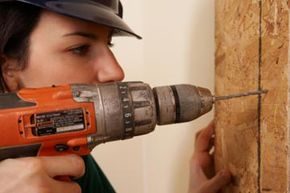
There are dozens of models on the shelves. It’s like a puzzle. The right choice is not to use the most expensive tools. It is important to match the equipment to the job. First you need to check the power supply.
A cord drill is pushed into the wall. The juice never runs out. It is also generally more efficient. But that rope is a belt. There are restrictions on the length of extension cords. You can only work near an electrical outlet.
Cordless drills bring freedom. You can carry it anywhere. They have no rope. However, they also have their limits. The battery is empty. Plan ahead. Buy more batteries. Keep one charged while using the other. This way you can work without interruption.
Battery voltage is important. The voltage range is 9.6 to 18 volts. The higher the voltage, the higher the torque. The 12-15.6 volt model is sufficient for general home repairs. Also check for a high ampere-hour (Ah) rating. This guarantees longer execution times. There is no need to change the batteries every 10 minutes.
Understand the performance characteristics of drill bits
Strength alone is only half the layer. The feel of the drill in your hands can mean the difference between finishing the job or finishing it early.
Steering is possible with adjustable speed. Tap to increase the resolution. Press high speed. Prevents screws from falling out. Adjustable switches cannot be ignored when driving fasteners. If you set it too high, the screw head will break. If set correctly, the driver will skid before doing any damage.
The size of the chuck determines which drill bit you can use. Common sizes are 1/4 inch, 3/8 inch, and 1/2 inch. The corresponding values of the gauges are 6, 8, 10 or 13 mm. Large chuck accepts large drill bits. It can also handle higher torque. The 3/8 inch chuck provides enough power for most household jobs. Choose a larger size if you plan to drill dense materials such as metal or concrete.
Consider the impact on real estate. Rotating a normal drill bit. Add pulse motion with an impact driver or impact drill. This is not beneficial for the tree. This will help you tighten the screws. Needed for masonry and concrete. Without it, the drill will wear, but it’s still a pain.
Rate fit and ergonomics
Box specs don’t tell the whole layer. Pick up the tools.
Is it too heavy? Your hands are complaining. Do you feel balanced? Tilting the tool forward or backward can cause distortion. Can you adjust the speed settings with your thumb? Is it easy to adjust the switch? If you have to move the handle to make an adjustment, stop. Find a better fit.
“The most important thing is choosing the right drill bit for your needs.”
Security is simple but strict. Wear safety glasses. Debris was flying. Keep electrical cords away from water. Electric shock is real and dangerous. Before starting, make sure the drill bit is installed in the chuck. The broken parts become pellets.
Once you’ve weighed these factors, you’re ready to drill. The market is crowded. But the right tools can save a frustrating afternoon and project.