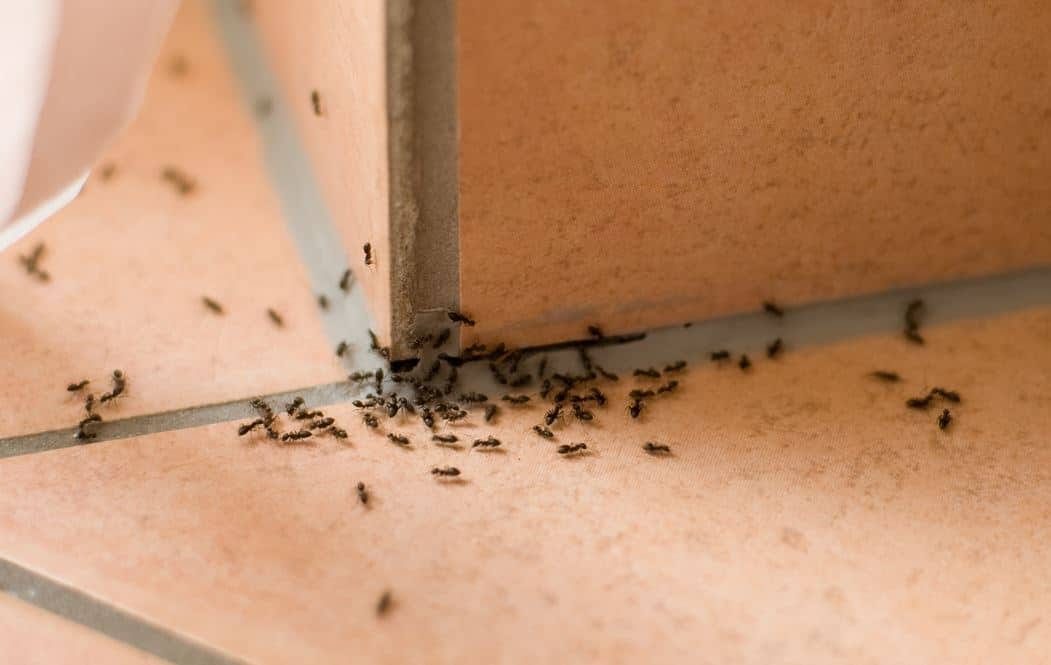
They are marching in a single file line. From the baseboard in the living room to the crumbs under the kitchen table. It feels like they have a union contract. You see them, but you don’t want to play exterminator with a can of poison. Not yet. There are ways to evict them. Ways that don’t turn your home into a chemical hazard zone. You just need to be quicker than their colony.
Зміст
Stop the Supply Line
Ants are simple creatures. They follow pheromone trails left by scout ants. If you wipe the surface with vinegar, you break the scent map. The trail goes dark. The workers get confused. They wander in circles until they leave or die of starvation.
Use white vinegar. Dilute it with water. Spray it on counters, floors, and entry points. It smells strong to humans. To ants? It’s a fog of war. Clean up every crumb. Every drop of spilled juice. Ants don’t care about aesthetics. They care about calories. Remove the food source and the urgency drops.
Natural Barriers That Work
You can create physical barriers using household items. Diatomaceous earth is one option. It’s a fine powder made from fossilized algae. Safe for pets and humans if you buy the food-grade kind. But dangerous to breathe in. Wear a mask when applying it.
Sprinkle it along window sills and door thresholds. The powder is abrasive. It cuts into the ant’s exoskeleton. Dehydration follows. They don’t last long. Another option is cinnamon. Ants hate the smell. It masks the pheromones and repels them. Sprinkle ground cinnamon near entry points. Reapply after cleaning.
Seal the Entry Points
Eviction is temporary if you don’t block the door. Inspect your home. Look for gaps around windows, doors, and pipes. Use caulk to seal them. Silicone caulk works well for outdoor areas. For indoor cracks, acrylic latex caulk is easier to paint over later.
Check your screens. Holes let them in. Repair tears. Tighten loose frames. Ants are small. Very small. A gap the width of a credit card is enough for a scout. Find the gap. Close it.
When to Escalate
If the vinegar and cinnamon don’t stop the march, the colony is larger than you thought. You might need bait. Not spray. Spray kills the workers you see. It doesn’t kill the queen. Bait works differently. Workers carry the poison back to the nest. They feed it to the larvae and the queen. The colony collapses from the inside out.
Choose a bait station that matches the ant species. Some ants like sugar. Others prefer protein. Observe their behavior. See what they are carrying. Match the bait to the menu. Place it near the trail. Don’t disturb them. Let them do the work.
Safety First
Always read labels. Even natural products can cause reactions. Keep chemicals away from children and pets. Wear gloves when handling powders or liquids. Ventilate the area. If you see a swarm, it might be time to call a professional. A massive infestation isn’t a DIY project anymore. It’s an invasion.
Start with the basics. Clean
Citron: A Simple Acid Barrier
You might be surprised that a common kitchen item like lemon juice is effective at repelling ants. The science is straightforward: ants cannot tolerate acid. The strong citrus scent disrupts their pheromone trails, confusing them and driving them away from your home.
To use this method effectively, start by rolling a yellow lemon firmly on your countertop to release the juices inside. Cut it into thin slices or wedges and place them in small bowls. Set these bowls directly near entry points like door thresholds and window sills. The goal is to let the potent smell create a barrier. If the scent fades, replace the lemon slices daily to maintain the repellant effect.
Lavender Essential Oil for Entryways
Lavender oil is another natural deterrent that ants find unpleasant. You can diffuse a few drops in your living areas to keep them away without using chemicals. If you don’t have a diffuser, mix water and several drops of the oil in a spray bottle.
Spray the solution along the bottom edges of doors and windows. For a more targeted approach, put a few drops on a small cloth or cotton ball and tuck it near cracks and crevices. This simple hack uses scent to mask the trails ants rely on for navigation.
Used Coffee Grounds as a Daily Repellent
Coffee lovers often enjoy the aroma, but ants hate it. Dried coffee grounds, or marc de café, can be scattered near entry points to discourage intruders. Place the grounds in shallow dishes or sprinkle them directly along baseboards.
The trick here is freshness. Unlike other remedies, coffee grounds lose their potency quickly. You must replace the old grounds with fresh ones every single day. If they dry out completely or absorb moisture, they won’t repel ants effectively. Consistency is key when using coffee as a barrier.
Cinnamon: A Powdered Obstacle
Cinnamon is another pantry staple that works well against ants. The strong spice interferes with their scent trails. Sprinkle ground cinnamon along window sills, door frames, and other entry points. Reapply as needed to maintain the barrier.

The scent of cinnamon evokes memories of hot chocolate, gingerbread, and the cozy atmosphere of the holidays. It is often tied to childhood nostalgia, calling to mind the comfort and warmth of home.
If you love the smell of cinnamon sticks, it is time to make some potpourri to scent your house. You can mix dried flower petals, orange peels, and a few cinnamon sticks. Place these preparations in every corner of your home to fill the air with fragrance and deter ants.
How Diatomaceous Earth Works as a Natural Insecticide
Diatomaceous earth is a formidable insecticide. Why? Because it contains tiny abrasive particles that damage the exoskeleton of insects. Want to use diatomaceous earth to drive ants out of your home? Sprinkle a small amount of this substance at the bottom of doors and windows and at all entry points, and you are done.
Using a Sugar and Salt Mixture
Here is a deadly mix for repelling ants: prepare a bait using equal parts salt and sugar. The insects will be attracted to the sugar and consume it, but the salt in your mixture will be fatal to them. Why? Because salt acts as a desiccating agent.
In other words, it dehydrates ants by absorbing moisture from their bodies. And that is not all! Salt also disrupts the scent trails left by ants. They are then unable to use pheromones to navigate, find food, or return to the nest.
DIY Baking Soda Ant Bait
Baking soda is a versatile product. We use it to clean the house from floor to ceiling, it is included in many natural cosmetics, and that is not all! This natural powder can help you…
Do you want to use baking soda to get rid of ants in the house? Pour some of this miraculous product into small bowls, then add a few drops of dish soap to form a thick paste that is easy to handle. Next, place a bit of this preparation near entry points. It is finished!
Spraying White Vinegar on Entry Points
White vinegar is an essential household item that can be sprayed on entry points and ant pathways. For this, arm yourself with a spray bottle. You can use the product pure or diluted in a little water, at your convenience.
Peppermint Essential Oil as a Deterrent
Peppermint essential oil is magical for repelling ants from the house! To use this natural substance, it is simple: just put a few drops of essential oil in a bottle filled with tap water, then spray everything at the bottom of doors and windows.
Chalk as an Obstacle
Chalk
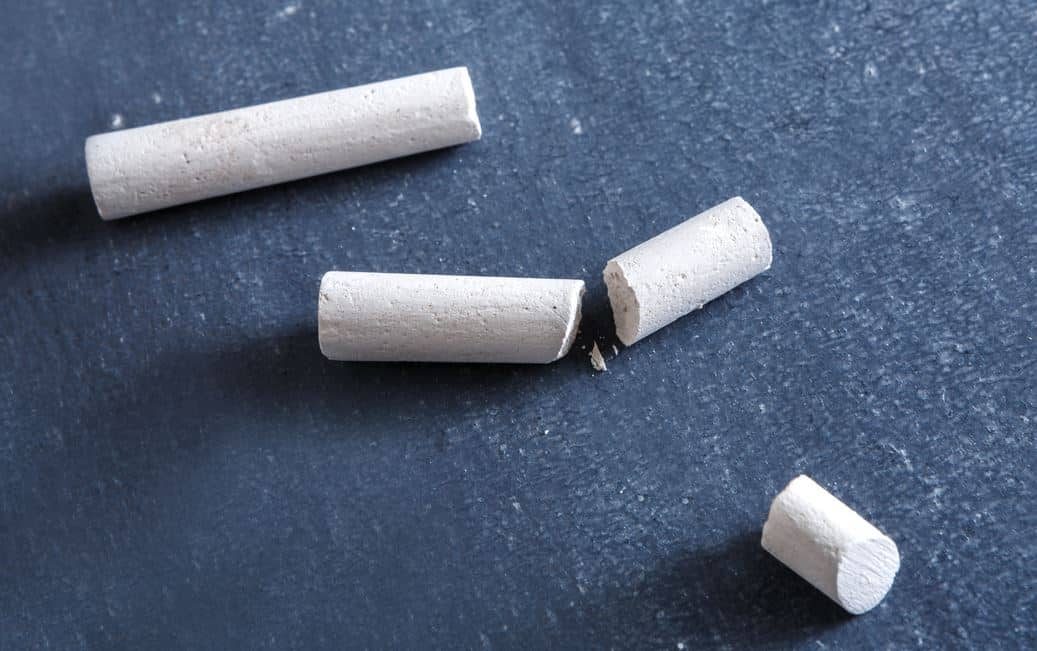
Why Chalk Lines Stop Ants Cold
You don’t need expensive pesticides to keep how to get rid of ants naturally in your kitchen. Grab a stick of standard school chalk. Draw a thick, uninterrupted line across the bottom of your door frames and window sills.
It sounds like a prank. It isn’t.
Ants hate the texture. The dusty, abrasive powder physically irritates their bodies. But it’s deeper than just discomfort. Chalk contains calcium carbonate. When ants cross that line, the substance interferes with their respiratory system. They can’t breathe properly. They turn back. It’s a simple, cheap barrier that works because it exploits their biology.
Cornmeal as a Dehydrating Agent
Switch to the pantry. Specifically, the cornmeal ant control method.
Sprinkle a line of cornmeal along those same entry points. Doors. Windows. Cracks in the baseboards.
Why does this work? It’s not about suffocation like the chalk. It’s about moisture. Cornmeal is a desiccant. When ants walk over it, the powder sticks to their exoskeletons. It absorbs the humidity on their bodies. Ants are susceptible to dehydration. This disrupts their internal balance. They find the texture unpleasant and the drying effect dangerous. Most will retreat rather than risk the risk.
“Cornmeal disrupts moisture balance, forcing ants to turn back.”
This isn’t a poison. It’s a deterrent based on environmental aversion. Keep the line thick. Reapply if it gets vacuumed or washed away.
Basil: A Scent Barrier That Actually Works
Herbs aren’t just for food. They’re weapons.
Basil is a strong repellent. Place fresh leaves near entryways. If you have a windowsill, grow a pot of basil right there. The scent masks their pheromone trails. It confuses their navigation.
For a stronger application, make a basil infusion. Boil fresh leaves in water. Let it cool completely. Strain out the solids. Pour the liquid into a spray bottle.
Mist this solution around windows, door frames, and any visible ant paths. The oil in the basil lingers. It creates a zone they avoid. It’s not instant death. It’s a “do not enter” sign written in scent.
Combine these methods. Chalk for the immediate physical barrier. Cornmeal for the moisture disruption. Basil for the olfactory confusion. You’re attacking the problem from three angles. The ants don’t stand a chance.
Which one will you try first?