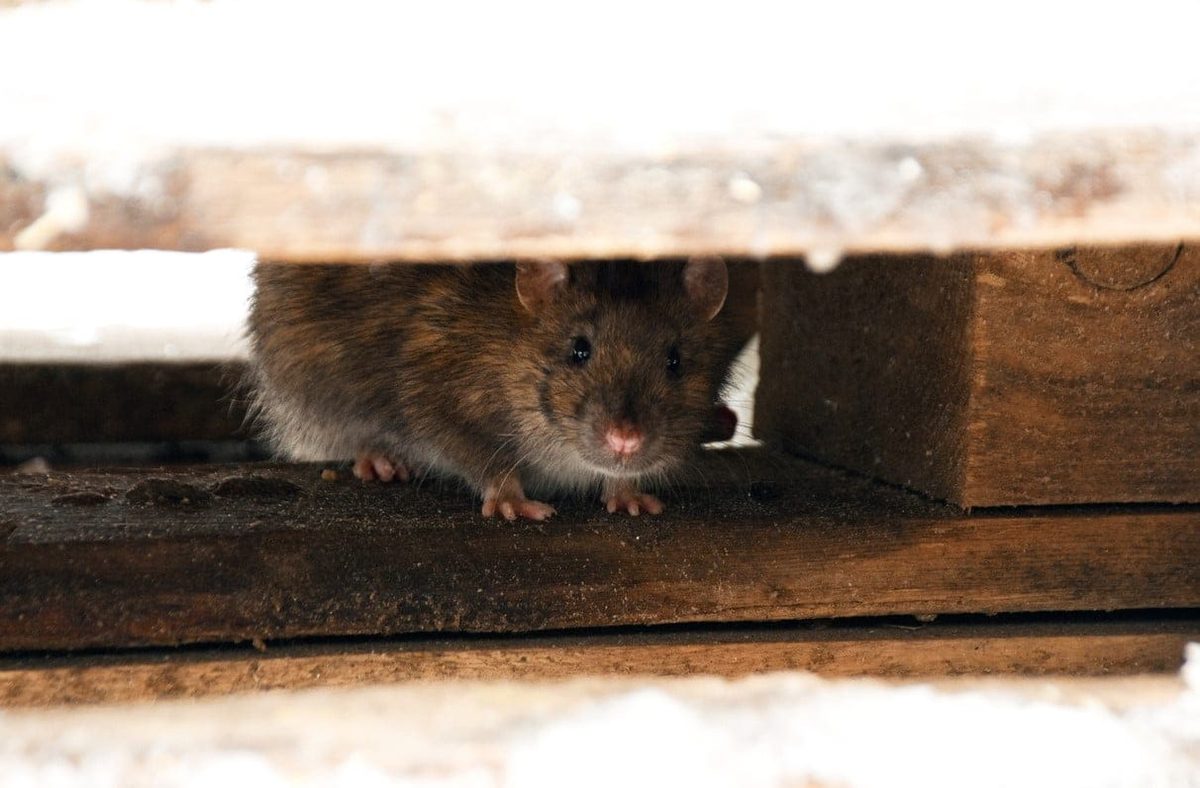
Hearing scratching sounds behind the drywall at 2 AM is enough to make any homeowner lose sleep. It’s not just about the noise. It’s about the risk. Rats love attics. They find the insulation cozy and the dark space perfect for nesting. But they also chew through wiring. That creates a real fire hazard. You need to act fast.
Here is how to handle a rat infestation in your attic without losing your mind.
Зміст
Why Attics Are Rat Magnets
Rats are clever. They enter your home through the smallest gaps. Once inside the attic, they stay because it meets their basic needs. Heat. Safety. Food sources like insulation or stored items. The attic is essentially a five-star hotel for rodents. They nest between insulation layers. They hide in ceiling corners. They multiply quickly. If you ignore the signs, the damage grows. Electrical damage is the biggest fear. But structural damage happens too. Chewed beams. Torn ductwork.
Step 1: Confirm the Intruder
Before you buy traps, make sure you’re dealing with rats and not mice or squirrels. The damage patterns differ. Rat droppings are larger. About 1/2 to 3/4 inch long. Mouse droppings are much smaller. Look for grease marks along beams. These are natural oils from their fur. Check for entry points. Look outside first. Rats can squeeze through a hole the size of a quarter. Check where the roof meets the walls. Inspect vents. Look for torn flashing.
Step 2: Cut Off Their Access
You cannot evict them if they keep coming back. Sealing entry points is step one. Use steel wool and caulk. Rats can chew through foam. Steel wool is too tough for their teeth. Stuff it into holes. Then seal it with caulk or expanding foam rated for pests. Replace damaged vent screens. Use heavy-gauge wire mesh. Hardware cloth works best. It’s stronger than standard window screen. Check your attic hatch. Is it sealed tight? Install a tight-fitting cover if needed.
Step 3: Remove the Attractants
Clean up the attic. Remove clutter. Clutter gives rats places to hide and build nests. If you store items in boxes, use plastic bins with tight lids. Cardboard is easy for them to chew through. Remove any food sources. If you have pet food or bird seed stored in the attic, move it. Keep the space empty and clean. A bare attic is less inviting.
Step 4: Choose the Right Trap
Traps are your primary weapon. Snap traps are effective. They kill quickly. Bait them with peanut butter. It smells strong. Rats love it. Place traps along walls. Rats travel along edges. They don’t like open spaces. Set traps perpendicular to the wall. This increases the chance of a clean hit. Wear gloves. Human scent can deter rats. Also, it’s unsanitary.
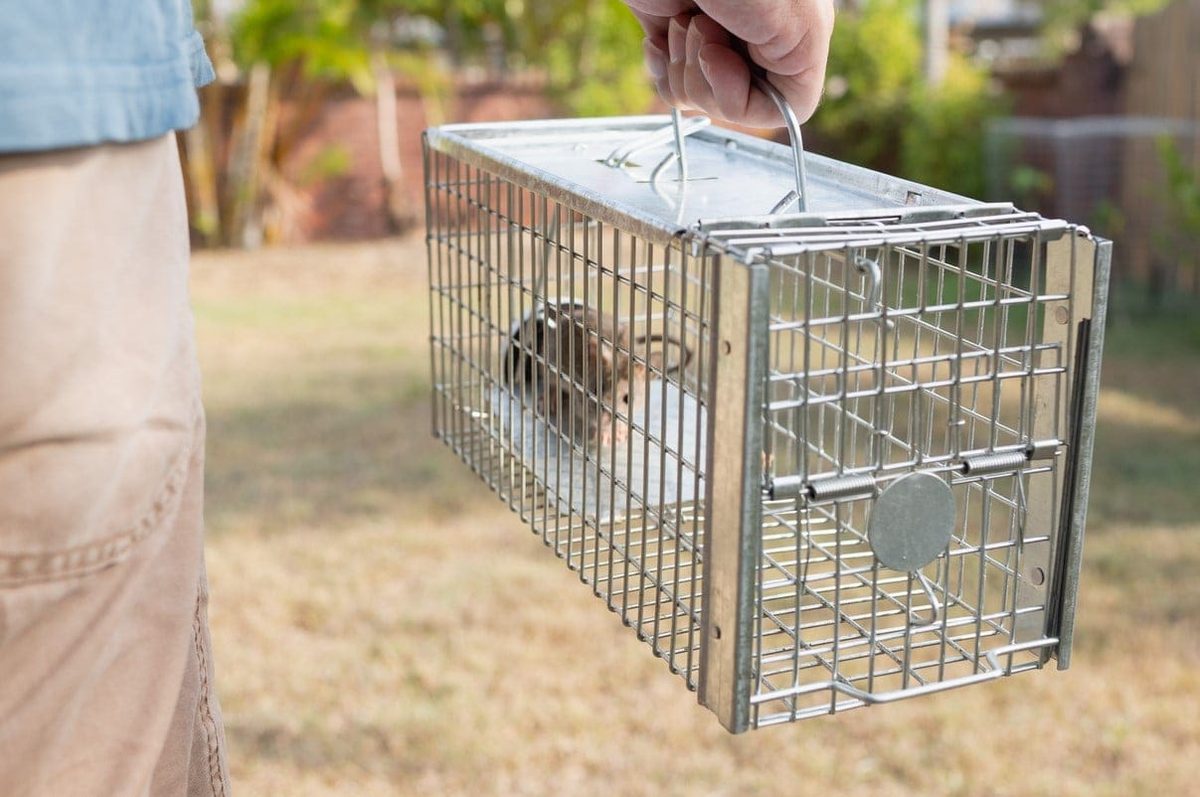
Live traps are an option. But they require you to move the rat far away. At least a mile. Otherwise, it will find its way back. And it will bring friends.
Step 5: Consider Ultrasonic Repellents
These devices emit high-frequency sounds. Humans can’t hear them. Rats
Spotting the culprit is the first real step. Before you buy traps or spray chemicals, you need to know exactly who is living in your walls. Grab a heavy-duty flashlight. Crawl into the attic. Look down.
The floor tells a story.
Look for droppings. Rat feces are long. They are rounded at the ends. Mouse droppings are different. They are thin. Short. Pointed. This distinction matters. It tells you if you are dealing with a single mouse or a colony of rats. Rats carry more risk. They chew through wiring. They contaminate insulation. If you confirm it is rats, do not wait.
Using Repellents for Minor Infestations
Maybe you only see one. Maybe you hate the idea of killing anything. You want a soft solution. Buy a rodent repellent.
Head to a hardware store. Look for sprays or powders. These products work by scent. They overwhelm the animal’s senses. They make the attic unpleasant. But here is the catch. The effect fades. You must reapply regularly. If you forget, the rats return. This method suits small, occasional visits. It does not stop a determined colony.
Traps: The Peanut Butter Strategy
Poison is dangerous. It smells terrible when an animal dies inside a wall. It kills pets. It risks your children’s safety. If you want to control the numbers without toxins, use traps.
Snap traps are effective. Place them along the walls. Rats do not run in straight lines. They hug the edges. Set the bait. Peanut butter works best. It sticks. It smells strong. Cheese is a myth. Rats prefer high-calorie foods.
Check traps every morning. Reset them. Clean them. If a trap fails twice, move it. Rats are smart. They learn.
Live Capture: The humane approach
You want them gone. You do not want them dead. Use a cage trap.
These are humane traps. They capture the rat without injury. Set it with bait. Check it frequently. An animal left in a cage dies of stress or starvation. Not humane. Not legal in many areas.
Once captured, release it far from your home. Miles away. In a natural habitat. If you release it too close, it will just come back. It knows the route. It knows the food.
But here is the hard truth. Removing one rat does not remove the problem. They breed fast. If you see signs, you likely have more. Seal the entry points. Rats squeeze through holes the size of a quarter. Steel wool helps. Concrete is better. They chew through wood. They gnaw soft plastic.
You have the tools. You have the knowledge. But will you stop to look closely at your eaves tonight? Or will you wait until the scratching gets louder?
Glue Traps: A Grim Reality
Glue traps work by trapping live rats on a sticky surface. Once caught, the rodents are immobilized and cannot free themselves. The process ends with you releasing them into the wild. It is effective, but morally complicated for many homeowners.
Rodenticides: The Chemical Route
If you want the pests gone for good, rodenticide baits are an option. You can find these products at hardware stores, garden centers, or home improvement shops. Read the instructions on the packaging carefully before use. Wear gloves when handling the blocks. Place the bait in your attic, preferably in corners or on beams. Wait. If you suspect more intruders, add more blocks to ensure the job is done.
After eliminating the rodents, leave one or two baits in the attic to prevent new infestations. This ongoing strategy keeps the area clear.
Electric Traps: Quick and Efficient
Electric traps are powerful tools for rapid elimination. They kill rodents instantly. Using them is straightforward. Place a bait inside the device before turning it on. No electrical outlet in the attic? No problem. These devices run on batteries with good autonomy.
Professional Intervention
If you cannot solve the problem yourself, call a professional. Pest control experts have tools and techniques to eliminate infestations. Contact a specialized company to know the rates in your region. The cost varies by location. However, rodent control rarely costs more than 150 €.
Mesh Grating: Blocking Entry
Mesh grating is an effective solution to prevent rodents from entering your attic. Seal all possible entrances with mesh pieces. These protective plates stop rodents from entering your home. Reinforce this accessory with a roof underlayment screen. This device provides additional protection by insulating the frame.
Hemp: A Natural Repellent
Hemp is a quality material for attic insulation. It is also a natural repellent. Its distinct odor is unpleasant to rodents and other pests. Using hemp adds a layer of natural defense to your insulation.
DIY Solutions: Homemade Options
Looking for a 100% homemade solution? Here are some options. Mix sugar and cement to create a mortar. The animals will be poisoned by this mixture. Offer them cola, as it is fatal to rodents. Enjoy essential oils? Spray peppermint, sage, citronella, or eucalyptus in the attic to naturally repel pests.
Now you know our tips for dealing with attic rodents. Once the invasion ends, remove the rodent bodies and check for damage. Inspect electrical cables carefully. Notice any degradation? Call an electrician to repair your installation without delay.