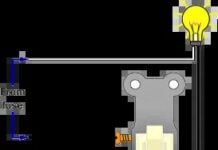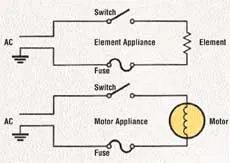
Electricity is the fuel. It keeps your small appliances running. Current travels through the hot wire to the device. It returns through the neutral wire. This flow is driven by voltage.
In a standard home, the hot wire carries about 120 volts. The neutral wire sits at zero volts. That difference pushes the current. It powers your gear.
Зміст
The Three Types of Household Appliances
You likely have dozens of them cluttering counters and closets. They fall into three camps.
Some heat things up. Toasters. Coffee makers. Others move things around. Food processors. Vacuum cleaners. A few do both. Hair dryers are a prime example.
Understanding which type you are dealing with matters. It explains how they work. It also hints at how they fail.
Heating Appliances Explained
These devices turn electrical energy into heat. You use that heat to toast bread. Or warm coffee. Or dry hair.
The magic happens inside a special wire called an element. The element resists the flow of electricity. This resistance generates heat.
Think about a toaster. Current fights its way through the toaster element. The energy spent overcoming that resistance turns into heat. The wire glows bright red. The bread toasts.
Common examples include:
– Toaster ovens
– Clothing irons
– Deep fryers
– Slow cookers
– Popcorn poppers
They are simple. Effective. But they draw a lot of power.
Motor Appliances Explained
Motor appliances convert electricity into movement. No heat involved here. Just motion.
This motion cuts food. Blends ingredients. Opens cans. Grinds waste. Sucks up dirt. Moves air.
Inside, a motor converts electrical energy into magnetic energy. That magnetism rotates a shaft. The shaft connects to a blade or tool. That tool does the actual work.
You find these motors in:
– Food mixers and blenders
– Electric can openers
– Garbage disposals
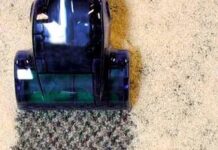
– Vacuum cleaners
– Ice cream makers
– Electric knives
– Clocks
– Fans
– Humidifiers
– Electric shavers
They are complex. They have moving parts. Which means they can wear out.
Combination Appliances
Some devices do both jobs. They heat and move at the same time.
The electric bread maker is the most popular. It mixes dough. Then it bakes it into bread.
Hair dryers are another example. The fan moves air. The element heats it. You get warm wind.
Stirring popcorn poppers fall into this category too. Stirrer moves kernels. Element heats the air.
Why It Matters
Knowing how these appliances work helps you use them safely. It helps you troubleshoot when they break.
Heating elements can burn out. Motors can seize up. Combination units have more points of failure.
Check the wires. Watch for fraying. Ensure ventilation is clear.
Electricity is unforgiving. Respect the power. Respect the heat. Respect the moving parts.
Your appliances serve you. But they need proper care. Keep them clean. Store them dry. Use them as intended.
What happens when that heating element fails in your favorite coffee maker? Does the motor in your blender sound different now? These are the questions that keep you from getting shocked. Or burning your kitchen down.