If you’ve lived in the same spot long enough, you hit a wall. It’s physics. You have too much stuff. That’s why car trunks exist and why people suddenly decide they need a shed in the backyard or an extra room on the roof. But before you start breaking ground, look up. The air above your head is empty real estate. It’s wasted potential.
Stacking isn’t just for campsites and college dorms. Yes, that bunk bed you slept in back then taught you a valuable lesson: vertical space matters. But there’s a catch. If you just pile things haphazardly, retrieving what’s on the bottom becomes a logistical nightmare. You’re digging through towers of clutter just to find your keys.
Good planning solves this. You need systems that sit comfortably on one another or attach to a frame that allows easy access. This isn’t just about cramming more in; it’s about accessing what you need without a demolition project.
Зміст
Stack Your Stuff Strategically
Look around your furniture outlet or home improvement store. You’ll find stackable solutions you probably didn’t know existed.
- Appliances: Stackable washer and dryer units are standard now, saving floor space by doubling vertical utility.
- Beds: Platform beds with built-in drawers under the frame effectively stack your sleeping area on top of your storage.
- Tables: Nesting tables let you tuck smaller surfaces inside larger ones when not in use.
- Office & Media: File cabinets, CD collections, and electronic components can be stacked if you have the right brackets or frames.
Evaluate your actual needs first. Don’t buy a stackable unit for something you rarely use. Just fill space.
Add Vertical Storage Units
If your room feels flat or drab because you lack visual anchors, vertical storage fixes both the look and the function. Tall furnishings pull the eye upward, making ceilings feel higher and rooms larger.
An armoire in the bedroom. An entertainment center in the living room. A baker’s rack in the kitchen. These aren’t just storage bins. They are architectural elements that elongate the look of your space. You’re using the vertical dimension to make the room breathe.
“Storage is where you find it. If space is tight, use the space inside unused luggage, behind the couch, and under the bed.”
Don’t ignore the hidden gaps. The space behind your sofa is prime real estate for remotes and coasters. Under the bed is for seasonal clothing and boxes you don’t need daily.
Use Freestanding Shelving
Freestanding shelving units offer a flexible way to display books, decor, and household items without committing to built-ins. They enhance aesthetics while organizing clutter. Pair this with modular units to adapt to changing needs.
Loft furniture and vertical gardens also exploit these vertical dimensions. They add visual interest and functionality to compact environments. The goal is simple: stop looking at the floor. Start looking up.

Shelves are the obvious choice for vertical storage, and the market is flooded with options. Need to fill an oddly shaped nook? Collapsible or stackable freestanding bookshelves slide into tight corners without requiring permanent installation. Prefab units come in nearly any height, including floor-to-ceiling models that keep your books, magazines, and records secure. You won’t have to stow them in the garage or pay for off-site storage units.
Don’t limit shelves to walls. Look at linen closets, under-stair voids, and kitchen pantries. The possibilities expand quickly when you start designing custom layouts.
Transforming Sleep Zones with Loft Beds
The traditional bunk bed has evolved. It’s no longer just a utilitarian sleep solution for kids. Modern loft beds retain the elevated sleeping area but replace the bottom bunk with open floor space. That empty square footage can become a computer desk, a wardrobe, or a dedicated storage zone.
For a small child’s bedroom, this design grabs every available foot of space. It looks stylish rather than cramped. If two kids share a room, you have options. Standard bunk beds with ladders work, but some varieties rotate the bottom bed 90 degrees from the top. The result is a tree-house aesthetic that feels more intentional than accidental.
Loft beds aren’t just for children. Adults living in tiny studio apartments or college dorms can use them to create distinct zones. The open space underneath adds a layer of function that a standard bed simply cannot provide.
Before you commit to a large furniture purchase, use online planning tools or software to map out your room layout first.
Modular Solutions for Flexible Living
Modular systems offer a different kind of freedom. Unlike fixed shelving or loft beds, modular units can be rearranged as your needs change. They adapt to new rooms, new tenants, or new lifestyles without requiring new purchases.
4: Embrace Open Shelving
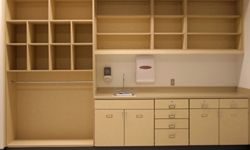
Forget the closed cabinets that hide everything and make a kitchen feel like a storage locker. Open shelving is the move if you want to reclaim square footage and make your small space feel lighter. The visual weight of a solid door vanishes. What remains is just the shelves and the air around them. This trick works best in kitchens, bathrooms, and home offices. It turns your everyday items into decor.
Installing open shelves is straightforward, but it requires a different mindset than mounting a TV bracket. You aren’t just attaching wood to drywall. You are building a display system. Start by finding your studs. Drywall anchors can hold light loads, but for shelves holding mugs, books, or kitchen appliances, you need the structural integrity of wood studs. Use a stud finder. Mark the locations clearly with a pencil.
Which Hardware Works Best?
Not all brackets are created equal. Heavy-duty L-brackets offer maximum support for thick pine or oak planks. Floating shelf brackets hide the hardware for a sleek, minimalist look, but they require precise installation. If you are using pre-drilled floating shelf kits, double-check the template. A millimeter off can mean the shelf won’t sit flush.
“Open shelving exposes clutter instantly, so only display what you love or use daily.”
This isn’t just about style. It’s about access. When you open a cabinet, you have to bend down and look inside. With open shelves, you see everything at a glance. This reduces the time spent searching for that one specific spice jar or clean plate. It encourages organization because messy items are out in the open.
Materials and Tools You’ll Need
You don’t need a full carpentry workshop. A basic toolkit will get you through this project. You will need:
- A power drill with a screwdriver bit
- A level (essential for keeping lines straight)
- A stud finder
- A tape measure
- Sandpaper if you are finishing raw wood yourself
- Paint or stain for your chosen look
Choose materials based on humidity. In bathrooms, avoid untreated wood that will warp. Plywood or sealed MDF works better there. In dry areas like living rooms or offices, solid wood or high-quality laminate holds up fine.
How to Install Them Properly
Measure twice. Drill once. This cliché exists for a reason. Mark your bracket holes. Drill pilot holes slightly smaller than your screws. This prevents the wood from splitting and ensures a tight fit. Secure the brackets first. Then place your shelves. If you are using floating brackets, slide the shelf on carefully. It should fit snugly.
Check the level immediately. If the shelf is uneven, the items on it will slide off or look crooked. Use shims if your wall isn’t perfectly flat. Drywall is rarely straight. A thin piece of cardboard or plastic can fix minor gaps.
Styling Without the Clutter
The biggest mistake people make with open shelving is overfilling it. It becomes a dumping ground fast. Leave empty space. Negative space is just as important as the objects you display. Group items in threes. It creates visual interest without chaos. Use baskets or bins on lower shelves to hide unsightly cords or mismatched boxes.
Consider the height. Install shelves at eye level for items you want to see frequently. Lower shelves can hold heavier, less-used items. Upper shelves are fine for lightweight decor or things you rarely touch. This hierarchy makes the space functional, not just pretty.
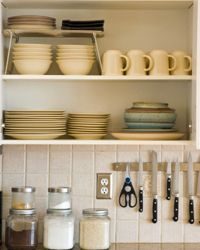
You’ve looked at freestanding units. You’ve checked out modular systems. But there is another way to tame the vertical void in your home. Open shelving. It’s not just storage. It’s a strategy for hiding things in plain sight.
Think about your good dishes. You bought them for a special occasion. They sit in a cupboard, dark and quiet. How often do they see daylight? Rarely. Move them to open shelves. Suddenly, those serving bowls are decorative. They beautify the kitchen. They are ready for the next dinner party without the hassle of digging through cabinets.
“Open shelves put your stuff out there, and that can be challenging.”
Start seeing your belongings as raw material. That leftover skein of yarn? It has potential. Your spouse’s pile of matchbooks? Now it’s art. Open shelving forces you to curate. You can’t hide clutter. If something is too ugly, too small, or too redundant, it needs a home. A decorative box. A basket. A bag. Floating shelves work. Traditional wall shelves work. Even shadow boxes have a place.
Once you get the hang of it, you’ll spot spots you missed. Over a window? Yes. Above a door? Why not. In an unused corner of the bathroom? Absolutely. Over a chest of drawers? Definitely. You’ll start noticing color. Texture. Outline. Arranging and rearranging becomes a game. It meets your changing needs.
Display Art at Unexpected Heights
Most people hang art at eye level. Slightly above. Slightly below. It’s safe. It’s standard. Break the rule.
If you have more wall art than wall space, go up. Hang it near the ceiling. Suspend it from the ceiling. Lean it against a floating shelf. Mount pieces below waist height. It grabs attention. It makes the viewer look closer. It highlights the merit of modern, traditional, or folk art.
Try hanging framed stained glass over a rarely used window. Place coordinating framed prints in a horizontal row over a tall headboard. Bare walls are boring. Give your walls some character.
You don’t need to spend a fortune. Rugs. Quilts. Plates. Plaques. Eye-catching fabric stretched over a frame. These make attractive, inexpensive artwork.
Downplay Height with Optical Illusions
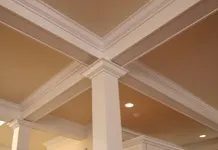
High ceilings are elegant. They can also feel cold. Unwelcoming. If you have too much vertical space, you might want to shrink it.
Paint the ceiling a darker color than the walls. It brings the height down. Avoid strong vertical lines. Skip the floor-to-ceiling window treatments. Steer clear of vertical wallpaper patterns.
Think horizontal. Add a chair rail. Use shorter curtains. Create horizontal influences with shelving. Group wall art horizontally. The room feels cozier. Less airy. More inviting.
Upgrade Your Lighting Strategy
Lighting defines vertical space. Stop using tabletop task lights. They keep illumination low. They fight the height of the room. Use track lights.
Track lighting updates the look of any room. It makes spaces like playrooms, family rooms, or craft rooms flexible. You can change the illumination as needed. Modern track lights don’t look like oversized tin cans. You don’t need an electrician. Many fixtures plug directly into existing outlets. Fast installation. Easy results.
“Switch out a table lamp for a floor lamp. The taller lamp will redistribute the light upward, eliminating some bulk.”
This swap gives you more table space. It eliminates visual clutter. The light goes up, not out.
Small Space Solutions
Vertical space isn’t just for big rooms. It’s critical for small bathrooms. Install wall-mounted shelves above the toilet. Place them above the sink. Use vertical cabinets. Over-the-door organizers work too. Every inch counts.
Plants? Don’t let them sit on the floor. Use vertical planters. Create a living wall. Mix hanging pots with shelves. It saves floor space. It enhances aesthetics.
The goal isn’t just storage. It’s atmosphere. It’s using the height of your home to create a vibe. Whether you’re darkening a ceiling to feel cozier or hanging art above eye level to create surprise, you’re controlling the narrative. The space responds to your choices.
There’s always another way to look up.