You spot them. A flurry of feathers. Deep crater-like holes scattered across your pristine lawn. It’s enough to make any gardener’s blood boil.
The immediate urge? Grab a shovel. Fill the pits. Restore order.
Stop.
That frantic scratching isn’t malice. It’s survival.
In the dead heat of July, your chickens aren’t trying to ruin your landscaping. They are running a sophisticated cooling and pest-control system buried right under the surface. Understanding this behavior shifts the entire dynamic of garden ownership.
Зміст
The Real Reason Behind the Destruction
Seeing freshly seeded grass turned into a minefield is disheartening. It feels like a personal attack on your horticultural efforts.
You might be tempted to buy deterrents from big-box stores like Leroy Merlin or Botanic. But fighting an instinct this primal is often a misunderstanding of animal behavior.
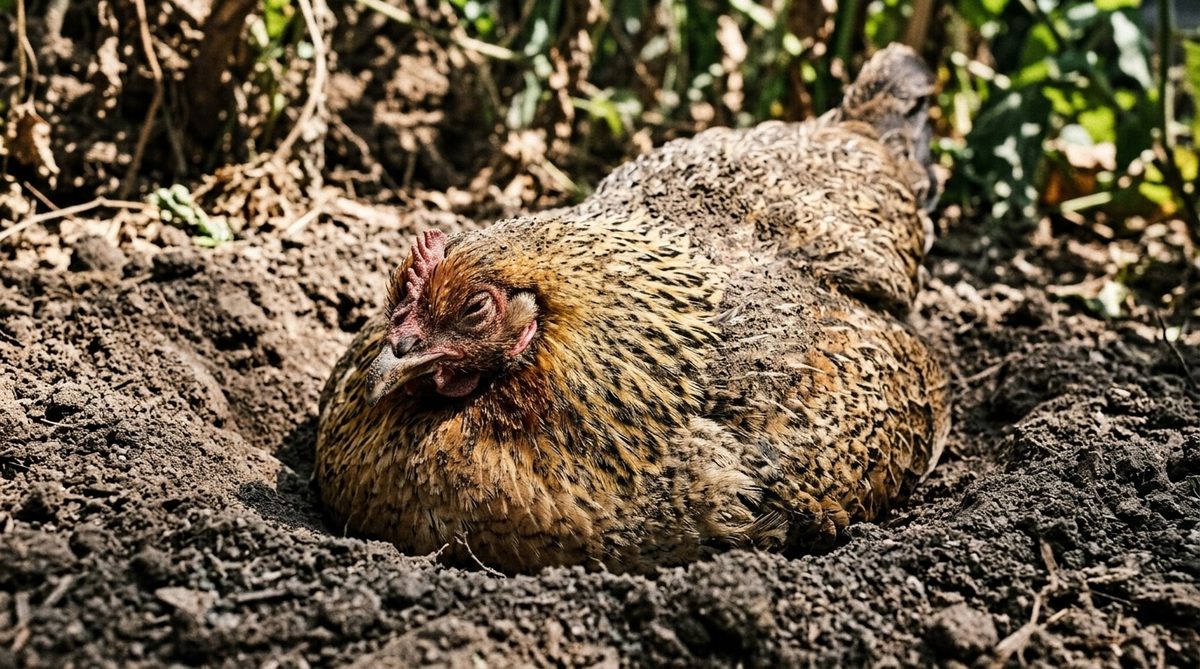
These birds are not destroying your garden for sport. They are working tirelessly to regulate their bodies. When you see them tearing up the turf, they are actually seeking out cooler earth beneath the scorching top layer.
A Natural Air Conditioner and Anti-Parasite Spa
It’s July. The heat is oppressive. Chickens lack sweat glands, so they have to get creative with thermoregulation.
By scratching vigorously, they expose soil that is significantly cooler than the surface air. They bloat themselves in this damp, cool earth to drop their body temperature rapidly.
But there is a second benefit. This digging action facilitates a dust bath.
This isn’t just about comfort. It’s hygiene. The dust chokes out stubborn parasites hiding in their plumage. Without this ritual, their health suffers. The scratching is, paradoxically, a sign of a healthy, well-maintained bird.
Create a Designated Scratch Zone
The most effective solution isn’t punishment. It’s redirection.
Accept that they need this outlet. Then, provide one in a spot that matters less.
Set up a dedicated sandy zone in a shaded corner of your urban garden or backyard. This channels their energy away from your prize flower beds and toward a space you don’t mind them disturbing.
To make this area effective, mix your own substrate. A simple homemade blend works wonders:
- 1 large bucket of fine, dry soil
- 3 shovels of standard river sand
- 200 grams of sifted wood ash
This mixture maintains soil structure in your main garden while pampering your flock.
A Shift in Perspective
This approach changes how you view eco-friendly gardening. It’s not about dominating nature with chemicals. It’s about observing needs and accommodating them.
Letting wildlife manage its own hygiene fosters a robust, balanced ecosystem.
True harmony comes from watching those seemingly destructive habits and realizing they’re actually vital. You’ll end up with happier chickens and a garden that still has some grass left.
Or you won’t. That’s life.