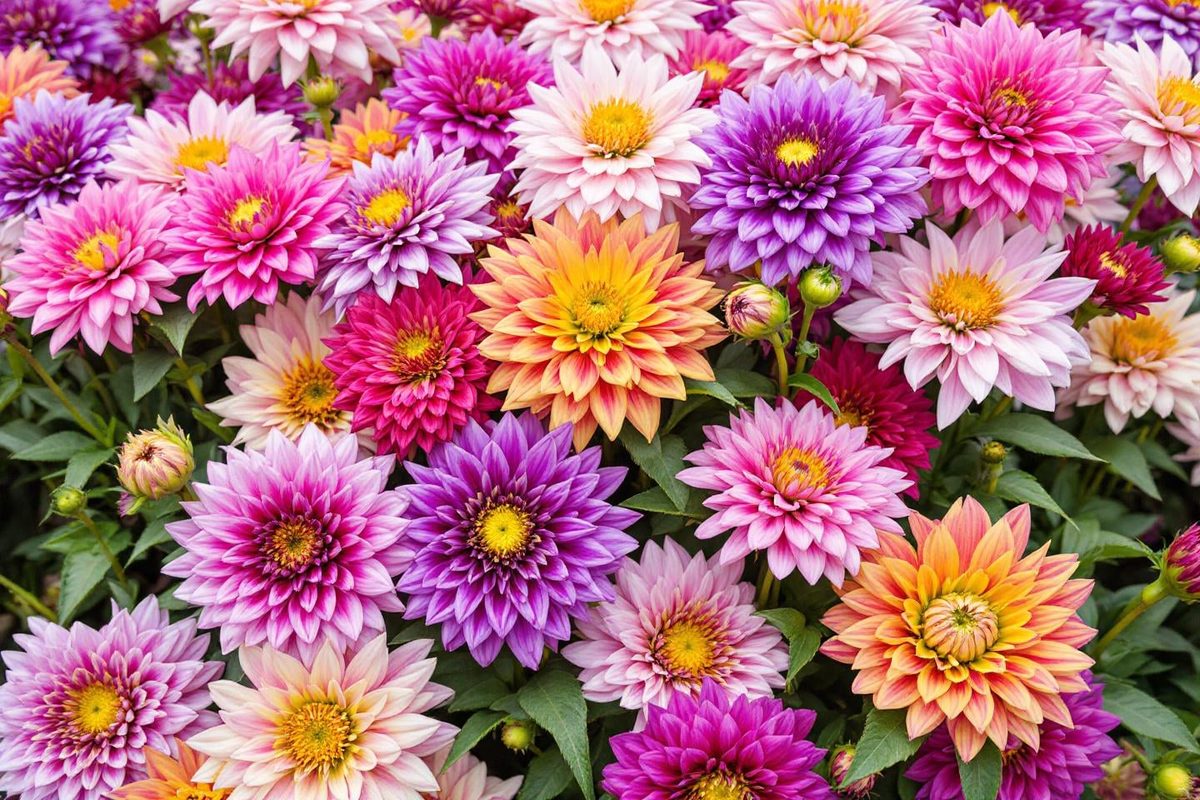
The sun beats down. The petals droop. It is a familiar, frustrating sight for anyone who has tended a garden in July. Urban gardeners watch their best flowers wither, victims of a heatwave that seems to arrive with increasing predictability. Dahlias are not immune. In fact, they are often the first to suffer when the weather turns erratic. But this decline isn’t inevitable. You can stop the heat stress before it kills your plants. There are simple, environmental-friendly practices that keep dahlias blooming even under the harshest summer sun.
Зміст
Understanding Why Dahlias Fail in Summer Heat
The 2025 growing season proves that climate instability is no longer a future threat; it is here. Heat intensifies. Droughts linger longer. Dahlias pay the price. To fix the problem, you first need to understand what causes the collapse. It is rarely one single factor. It is usually a combination of poor water management, bad location choices, and neglected soil.
The Trap of Over-Watering
When temperatures spike, the instinct is to flood the plants. More water feels like more help. It is not. Over-watering is a common mistake that suffocates dahlia tubers. These plants have tuberous roots that need air. A waterlogged soil environment invites root diseases. It drowns the bulb.
Dahlias require fresh, well-draining soil. They do not need a swamp. Additionally, watering during the heat of the day creates a thermal shock. Water droplets on the leaves can act as magnifying glasses. The sun focuses through them. The foliage burns. You end up damaging the very plant you were trying to save.
Poor Placement in the Garden
Many gardeners place dahlias in the sunniest spot available. They assume more light equals more blooms. This is a misconception. While dahlias need light, constant, burning sun accelerates dehydration. A location with full southern exposure, especially during peak afternoon heat, forces the plant to expend energy on survival rather than flowering.
Conversely, deep shade kills vigor. The dahlia needs a balance. The ideal spot offers morning sun and afternoon shade. This mimics the natural conditions of many traditional gardens. It creates a microclimate where the plant can thrive without the risk of scorching.
The Missing Layer of Protection
Without a protective layer on the soil surface, moisture evaporates rapidly. The heat penetrates deep. The roots are exposed to temperatures they cannot handle. Neglecting mulch removes a critical shield against summer stress.
Compacted soil is equally damaging. It restricts oxygen flow to the tubers. It also becomes a haven for pests. Slugs, for instance, thrive in warm, moist conditions. They target young dahlia shoots. Healthy, loose soil keeps these problems at bay.
Eco-Friendly Methods for Continuous Summer Blooms
You do not need synthetic chemicals to keep dahlias alive. Traditional wisdom combined with modern sustainable techniques works better. The goal is to build resilience. By adjusting how you water, mulch, and prune, you can extend the flowering season well into autumn.
Smart, Reasonable Watering
Frequency matters less than volume. Do not sprinkle a little water every day. This encourages shallow roots. Instead, provide a significant amount of water two to three times a week. Aim for 10 to 15 liters per square meter.
Timing is critical. Water early in the morning or late in the evening. This allows the water to soak deep into the soil profile. Deep watering strengthens the root system. Stronger roots withstand droughts better.
Collecting rainwater is an eco-friendly upgrade. Use barrels or tanks to store runoff. It reduces reliance on treated drinking water. For a DIY touch, try burying plastic bottles with small holes poked in the sides near the plant base. This creates a slow-release irrigation system. It delivers water directly to the roots without waste.
Natural Mulch as a Heat Shield
Mulch is not just for looks. It is a functional tool. Use dry grass clippings, straw, or wood chips. A layer of 5 to 7 centimeters is ideal.
This layer performs three key functions. It retains moisture. It keeps the soil temperature lower. It suppresses weed growth. Weeds compete for water and nutrients. Without them, your dahlias get more resources.
Ecologically, mulch supports soil life. It feeds the microbes and earthworms that keep the earth healthy. This aligns with permaculture principles. It turns your garden into a self-sustaining ecosystem. Visually, it provides a clean, polished look that enhances the landscape.
Regular Pruning and Soil Maintenance
Deadheading is essential. Remove faded flowers regularly. This signals the plant to produce new buds. It prevents the plant from expending energy on seed production. The result is a longer blooming period. It also keeps the mass of dahlias looking tidy and lush.
Perform light hoeing to aerate the soil surface. This breaks up any crusting that might form after watering. It also helps remove young weeds before they establish. Keeping the area around the dahlia clear of competitors ensures the plant gets all available water. Nutrients are scarce in summer. Every drop counts.
The difference between a wilted mess and a vibrant display often comes down to these small, consistent actions. You are not just watering plants. You are managing a micro-environment. The soil temperature drops. The roots breathe. The flowers hold their heads high.
It is easy to look at a drooping dahlia and see failure. But with the right adjustments, that same plant can bloom until the first frost. The heat does not have to win. You just have to change how you fight it. What happens next depends on whether you keep sprinkling the leaves or start building the soil.
Stop drowning them.
That’s the first rule. You think more water equals a happier dahlia. It doesn’t. It drowns the roots. It invites rot. And when summer heat hits, you’re left with a mushy mess instead of a vibrant bloom.
We are moving past the idea that watering is just a mechanical habit. It’s a conversation with the soil, the weather, and the plant itself. If you’re growing dahlias in an urban garden, you need to stop guessing and start calculating.
The hidden cost of over-irrigation
Most gardeners err on the side of caution by dousing their plants. They see dry leaves and panic. They grab the hose. They give the plant way more water than it needs.
This is dangerous.
Constant saturation forces roots to stay shallow. They never dig deep for moisture. So when a heatwave actually hits, those shallow roots can’t reach the cool earth below. The plant dies. Fast.
Too little water is bad too. But too much is worse.
Excess moisture creates a breeding ground for cryptogamic diseases. Mildew loves humidity. Dahlias are especially prone to it during fluctuating summers. You get spots on the leaves. The blooms turn brown. The plant weakens.
Smart irrigation fixes this. Drip systems deliver water directly to the root zone. They can cut water usage by up to 50% compared to overhead sprinklers. This isn’t just about saving money on your bill. It’s about eco-responsible gardening practices that are becoming standard in 2025.
Reading the sky before turning the tap
You cannot water on a schedule. You water based on conditions.
Watch the weather. If rain is coming, skip the watering can. Let the soil absorb what nature provides. If a heatwave is predicted, increase slightly, but never saturate.
The goal is dynamic irrigation. Not systematic.
Check the soil with your finger. If it’s damp an inch down, leave it alone. If it’s dry, water deeply but less frequently. This encourages deep root growth. Deep roots mean resilience.
Creating shade without clutter
Water is only half the battle. Heat stress hits dahlias hard when the sun is relentless. You need to shield them. But you don’t need industrial-grade greenhouse structures.
Think natural.
Use temporary shade cloths. Hang them during the peak hours of the day. They filter the harshest rays without killing the light the plant needs for photosynthesis.
Bamboo screens work well too. They look good. They breathe. They provide a physical barrier against direct sun while maintaining garden elegance.
Even a simple patio umbrella can help if placed strategically. It’s not about hiding the plant. It’s about protecting it during the hottest part of the day. Remove the shade in the morning and evening to let the plant get its daily light dose.
Strategic placement and plant companions
Where you plant matters as much as how you water.
Place dahlias at the edge of beds. Let taller shrubs or deciduous trees provide morning shade or dappled light. This protects them from the afternoon sun’s intensity.
Companion planting helps too. Mix dahlias with low-growing groundcovers. These smaller plants keep the soil cooler. They reduce evaporation. They create a microclimate around the dahlia roots.
This mimics natural ecosystems. It keeps temperatures stable. It stops the soil from baking.
Natural boosters for heat resistance
Chemical fertilizers can actually weaken plants in high heat. They push fast growth that the plant can’t support.
Use mature compost instead. It improves soil structure. It holds moisture better. It feeds the soil biology. Strong soil means strong plants.
Apply plant-based purins (fermented plant extracts) regularly. These boost the dahlia’s natural immunity. They help the plant resist pests and climate stress without harsh chemicals.
On extremely hot evenings, mist the foliage with non-limescale water. Do this late in the day. It cools the leaves. It washes away dust that can block sunlight. Dust makes leaves look dull. Clean leaves photosynthesize better.
The bottom line
You don’t need to throw your garden away to save your dahlias. You just need to change your approach.
Combine methods. Use drip irrigation. Add shade. Plant strategically. Feed the soil.
Observe your plants. If the leaves droop during the day, they are stressed. If they look limp in the morning, they are dehydrated. Adjust accordingly.
This is not about perfection. It’s about adaptation. Your garden changes every day. Your care should too.
The result is a summer full of color that actually lasts. Not a faded, drowned-out mess. A vibrant, resilient display that survives the heat. And maybe, just maybe, you save some water along the way.