The chill sets in. Windows roll up. The heater hums. Suddenly, your car interior smells like wet wool, stale coffee, and whatever lunch you ate three hours ago. It is a familiar autumn ritual. You reach for the tree-shaped air freshener hanging from your rearview mirror. You snap it into place. You hope it works.
It doesn’t really work. It just masks. And in doing so, it fills your closed cabin with synthetic chemicals, phthalates, and volatile organic compounds. You are breathing that in. Every mile.
Why do we tolerate this? Because we think we have no choice. We assume “clean” means “perfumed.” It does not. Real cleanliness removes the source of the odor. It absorbs the moisture. It leaves the air neutral, not heavy with synthetic lavender that triggers headaches.
The good news? You do not need plastic trees or aerosol cans. You need basic ingredients you already have. Or can buy for pennies. These methods are not just better for your lungs. They are better for the planet. And they actually get rid of the smell instead of fighting a losing battle against it.
Зміст
Why Synthetic Air Fresheners Are a Health Risk
That colorful tree hanging in your car? It is a slow-release chemical bomb. Most commercial air fresheners rely on synthetic fragrances. These are complex mixtures of chemicals not fully disclosed to consumers. They sit in your car, especially in the heat, off-gassing into the enclosed space.
The impact is not just a headache. It is respiratory irritation. It is long-term exposure to toxins. And let’s talk about the waste. Plastic trees. Plastic bottles. Non-recyclable packaging. They end up in landfills while you are driving through them.
Natural alternatives change the game. They do not mask. They neutralize. They use absorption or natural essential oils to tackle the problem at its root. The result is a cabin that smells like nothing, or like clean linen, or like pine. Not like a chemical factory.
Natural Solutions That Actually Work
You might think deodorizing your car requires a shop visit. It does not. You can do this with items from your kitchen. Here is how to swap the synthetic for the natural.
Activated Charcoal: The Odor Vampire
Activated charcoal is porous. Extremely porous. It traps odors, moisture, and pollutants. It does not add scent. It subtracts problems.
- Buy a bag of activated charcoal beads. Or make your own by burning coconut shells (if you are that dedicated).
- Place the bag under a seat or in the trunk.
- Replace every few months.
This is the closest thing to magic for persistent smells like damp carpets or pet accidents. It pulls the bad air out of the fabric.
Baking Soda: The Classic Absorbent
Baking soda is sodium bicarbonate. It neutralizes acids and bases that cause odors. It is cheap. It is effective.
- Sprinkle liberally on carpet and seats.
- Let sit for at least 15 minutes. Longer is better. Overnight is best.
- Vacuum thoroughly.
For a quick fix, open a box of baking soda and leave it in the car for a few days. It will eat the stale air.
Essential Oils: Scent Without the Synthetics
If you want a scent, use real plants. Essential oils are concentrated. A little goes a long way. They do not contain the harmful fillers of commercial sprays.
- Add 5-10 drops of tea tree, lavender, or eucalyptus oil to a cotton ball.
- Place the cotton ball in a
Why DIY Air Fresheners Outperform Chemical Alternatives
Most people reach for aerosol sprays or synthetic plugs when their car starts smelling stale. That’s a mistake. Natural methods don’t just mask smells; they actively neutralize them. Dried lavender remains the gold standard here. It’s a classic for a reason. The essential oils in the buds absorb moisture—the primary culprit for that musty, damp-car odor—while releasing a scent that feels like a vacation in Provence.
You don’t need expensive diffusers. Simple cloth sachets work best. Stuff them under a seat. Toss one in the glovebox. Hang one from the rearview mirror. The distribution is subtle. It’s not an aggressive blast of fragrance. Instead, it’s a steady, fresh presence. Plus, lavender naturally repels certain insects. A double win for your comfort and your car’s interior.
The Underused Power of Dried Tea Bags
Tea bags are often thrown away too soon. That’s wasteful and misses an opportunity. Used tea leaves, once completely dried, become potent odor absorbers. They work similarly to baking soda but with the added benefit of leaving behind a delicate aroma. Green tea or jasmine work best because they are subtle. You don’t want black tea overpowering the cabin air.
Place a dried bag inside a small mesh pouch or an open box. Set it on the floor near the footwell. The porous leaves trap volatile organic compounds. The result is neutralized air. No heavy perfumes. Just clean, fresh silence. It’s a low-cost solution that delivers high results in small spaces.
Essential Oils on Porous Materials
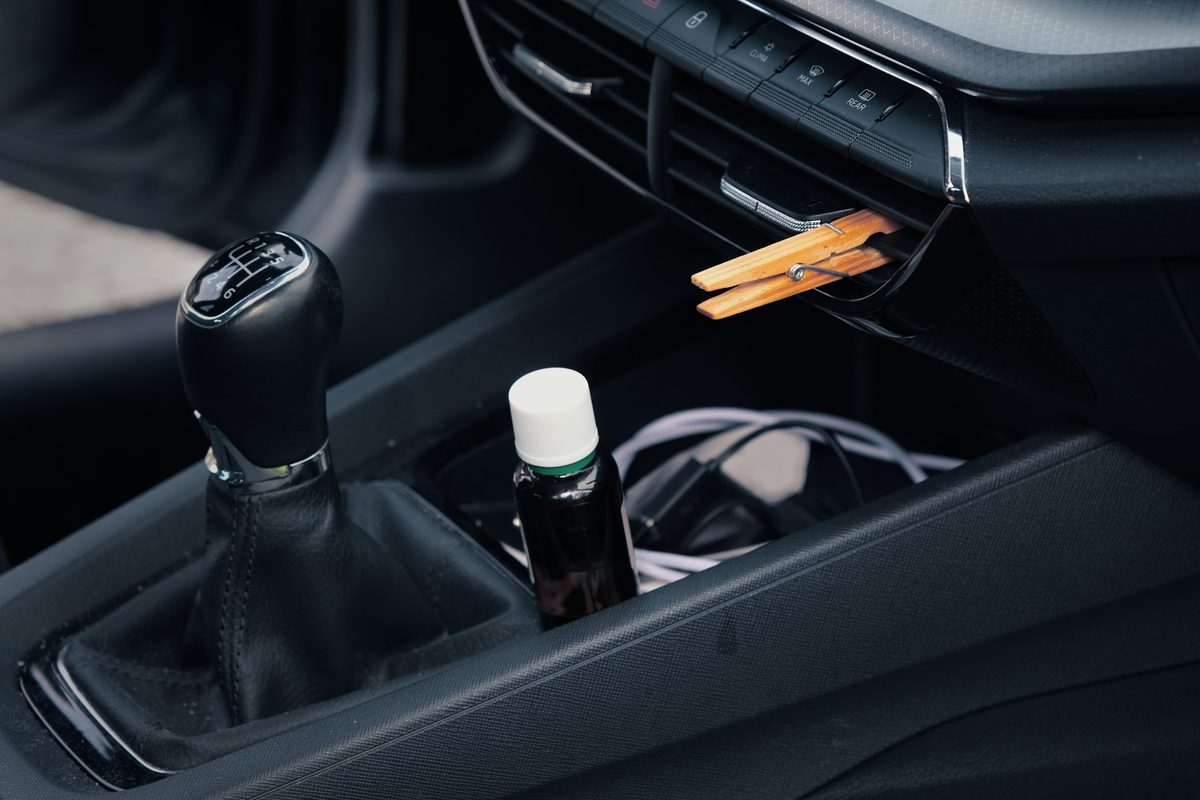
If you want targeted scent control, skip the plastic clips. Use wood or cork. A wooden clothespin or a cork bottle stopper acts as a slow-release mechanism for essential oils. Add a few drops of lemon, lavender, sweet orange, or bitter orange. Clip the clothespin to a vent. Tuck the cork into a cup holder or under a seat.
The car becomes a rolling aromatherapy session.
This method offers better diffusion than synthetic gels. The porous material holds the oil and releases it gradually into the airflow. In autumn, switching to pine or lavender notes can help combat the seasonal gloom. It’s psychological as much as it is olfactory. The scent changes the mood of the drive.
Citrus Peels for Instant Freshness
Nothing beats fresh citrus for cutting through humidity and stale air. Orange, lemon, clementine, or grapefruit peels release natural d-limonene. This compound is a powerful degreaser and deodorizer. Use them fresh or dried. Fresh peels give an immediate punch. Dried peels offer a longer-lasting, softer scent.
Place them in high spots where air circulates. The door panels or dashboard work well. The key is rotation. Citrus peels degrade quickly. Replace them every three to five days. If they start to mold, you’ve waited too long. Mold in a car is a disaster. Fresh peels mask the smell of dampness instantly. In October, a mandarin peel evokes the season perfectly. It’s a sophisticated alternative to industrial fragrances.
Placement and Maintenance Strategy
Natural solutions require more attention than plug-and-play chemicals. You have to manage them. Placement dictates efficacy.
- Lavender/Tea Sachets: Place under seats. This ensures slow, even diffusion across the cabin floor.
- Essential Oil Clips: Attach to air vents. This directs the scent straight into the airflow system.
- Citrus Peels: Position in high spots or door pockets. Rotate them frequently to prevent mold.
Maintenance Checklist:
- 1 small pouch of dried lavender (approx. 20g)
- 1–2 dried tea bags (ensure they are bone-dry)
- 2–3 wooden clothespins or cork stoppers
- 5–10 drops of essential oil per porous item
- Peels from 1–2 citrus fruits
Renew the solutions when the scent fades. Replenish lavender with fresh dried buds. Add new drops of oil to corks weekly. Don’t forget the basics. Vacuum carpets and seats regularly. Air out the car before applying these fixes. Remove food wrappers and cigarette butts immediately. These are the primary sources of bad odors. No amount of lavender will fix a trash can full of rotting lunch.
Building a Habit for a Cleaner Interior
Using natural deodorizers shifts your mindset. It’s not just about covering smells. It’s about maintaining a healthy environment. Open the windows for a few kilometers when possible. Let the sun bake out the moisture. Store wet coats outside the cabin. Regular cleaning becomes a ritual, not a chore.
These methods are safe. They are eco-friendly. They cost almost nothing. But they require consistency. Synthetic sprays are lazy. Natural solutions demand engagement. That engagement pays off. Every trip becomes a sensory experience. The air feels lighter. The cabin smells like home, not a chemical factory.
There is no magic button for car care. It’s a series of small choices. Choosing lavender over plastic. Choosing tea over synthetic gels. Choosing fresh air over closed windows. The difference is noticeable. It’s in the breath you take when you open the door. It’s in the calm that follows. Keep it simple. Keep it clean. The rest takes care of itself.