


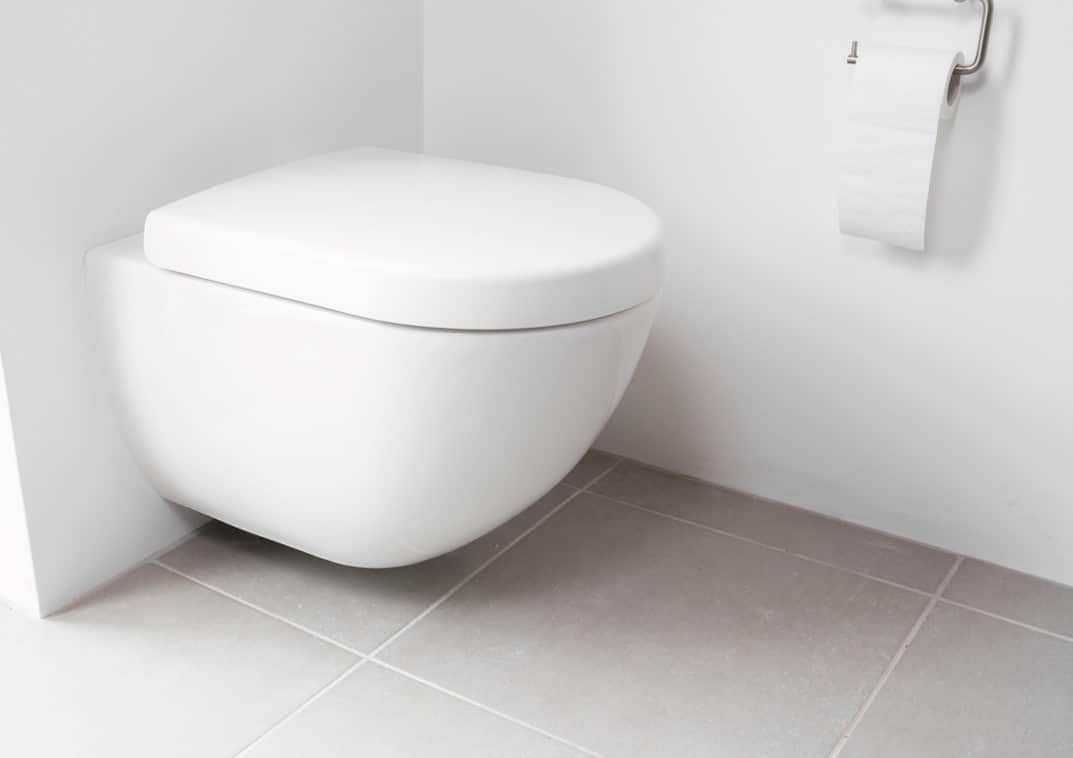
You can install a Sanibroyeur yourself. It is the go-to fix for bathrooms or utility rooms that lack large drainage pipes. Standard toilets need a ten-centimeter pipe to work. The Sanibroyeur does not. It connects to standard wastewater lines. There is a catch though. These units clog easily.
Do you have a blocked Sanibroyeur? You do not need a pro. There are eight ways to clear the blockage yourself.
Зміст
Why It Clogs
The Sanibroyeur grinds waste into a slurry. It pumps this mix through small pipes. Small pipes mean small margins for error. Anything too solid can get stuck. The grinder mechanism is powerful. It is not invincible.
8 Ways to Unclog It
Here is how to fix the issue.
1. Check the Power Source
Start simple. Is the unit plugged in? Is the breaker tripped? A power loss can make the unit stop working. It may feel like a clog. It is just a dead unit. Reset the breaker. Check the plug. If the light stays on, move on.
2. Use the Reset Button
Every Sanibroyeur has a reset button. It is usually red. It is hidden behind the panel. If the motor overheats, the button pops out. This stops the unit. It protects the motor. Press the button firmly. Wait for the unit to cool down. This takes about ten minutes. Then try running it.
3. The Drain Rod Method
You need a drain rod. Also called a plumber’s snake. Insert it into the toilet bowl. Push it gently. Do not force it. You are trying to hook the blockage. Pull it out slowly. The waste should come with it. Clean the rod. Repeat if needed. This works for soft clogs. It may not work for hard objects.
4. Water and Dish Soap
Pour a liter of water into the bowl. Add a cup of dish soap. The soap acts as a lubricant. It reduces friction. Wait an hour. Let the soap work. Then flush. The water pressure may push the clog through. The soap helps slide things along. This is a low-risk first step.
5. Hot Water and Baking Soda
Mix baking soda and vinegar. Pour it down the drain. Let it fizz. The reaction creates pressure. It can break up minor blockages. Add hot water after the fizzing stops. The heat softens grease and waste. This is a natural chemical cleaner. It is gentle on pipes.
6. Manual Removal
Turn off the power. Unplug the unit. Remove the access panel. You may see the clog. Use gloves. Grab the object. Pull it out. This is invasive. Only do it if other methods fail. Be careful with wires. Keep tools away from the motor.
7. Check the Flap Valve
The flap valve opens and closes. It prevents backflow. It can get stuck. Check if it moves freely. If it is stuck closed, waste cannot exit. Clean it. Remove debris. Ensure it swings open. A stuck valve mimics a clog.
8. Call a Professional
If nothing works, call a
The White Vinegar Soak
The Sanibroyeur is clogged. You’ve hit the flush button until your finger ached, but the water just sits there, staring back at you. If the blockage isn’t catastrophic, nature might have your back.
White vinegar is a proven, eco-friendly fix for minor obstructions. It’s cheap. It’s effective. It eats away at buildup without ruining your pipes.
Here is the play:
1. Heat up one liter of white vinegar.
2. Pour it directly into the bowl.
3. Let it sit.
Do not rush this. Leave the vinegar to work its magic for a few hours. The acidity breaks down the organic gunk holding everything together. When you finally flush, gravity and acid will have done the heavy lifting.
The Wire Hanger Trick
Think the mechanism inside the Sanibroyeur is jammed? Sometimes, you just need to physically dislodge the debris.
Grab a standard wire coat hanger. Strip off the plastic or fabric covering if you have one—pure metal is better for this. Bend it out until it’s a long, rigid rod. You’re essentially turning a garment accessory into a plumbing probe.
Safety first.
* Cut the water supply to the toilet.
* Unplug the electrical cable from the Sanibroyeur. You do not want sparks near standing water or moving parts.
Insert the hanger into the unit. Push gently. Feel for the obstruction. When you hit the clog, push harder. Break it up. The hanger acts as a mechanical auger, shattering the blockage so it can flow through.
Using a Plumbing Snake (Furet)
If you have access to a professional tool, skip the hanger. Use a furet, or plumbing snake.
A furet looks like a long metal rod ending in a small brush. You operate it with a crank handle. It’s designed to slide down the pipe without scratching the interior.
The mechanism is simple but satisfying:
* Crank the handle to feed the snake into the drainage line.
* The brush head reaches the clog.
* The bristles capture the debris.
* Crank further to fragment the mass.
As you pull the furet back, the brush traps the waste. You’re physically removing the problem, not just pushing it further down. It’s messy work, but it’s thorough.
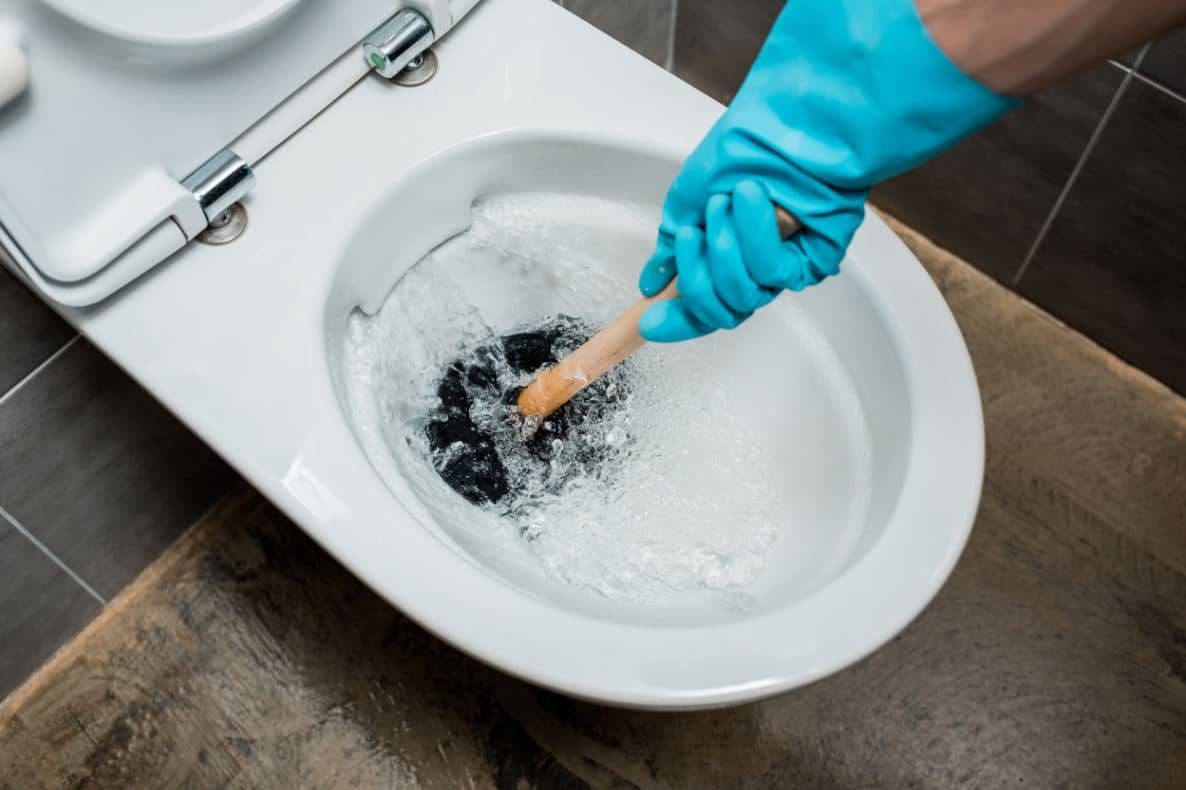
The Plunger Technique
Got a large toilet plunger? Use it. It’s the oldest trick in the book for a reason. It creates pressure differentials that force blockages loose without any chemicals.
This requires a specific sequence. Don’t just start pumping.
- Shut off the water.
- Unplug the Sanibroyeur. Electrical safety is non-negotiable.
- Position the plunger at the bottom of the bowl.
- Add water until the rubber cup is submerged. You need a seal, not air.
- Push slowly. Establish pressure.
- Yank up sharply. This suction is what breaks the vacuum seal of the clog.
- Repeat. Keep the rhythm going until you hear the water drain. That gurgle is music.
Once clear:
* Plug the power back in.
* Turn the water tap on.
* Wash the plunger thoroughly.
It’s gritty work. But it keeps the pipes moving.

5 — Use products that won’t destroy your system
If manual plunging feels like too much effort, you might lean toward chemical solutions. Store-bought drain openers work, sure. But they are not all created equal. Your macerator is fragile. Harsh chemicals can eat through seals or corrode internal components. Do not guess.
Check the label. Look for the specific compatibility warning. Does it say “safe for macerators” or “do not use in toilets with pumps”? If the text is blurry or you are unsure, put the bottle down. Ask the hardware store staff. They know which formulas break down waste without eating plastic.
When you finally decide on a product, protect your hands. Put on heavy-duty rubber gloves. These chemicals are caustic. They burn skin on contact. Keep a bucket of water nearby just in case of splashes.
6 — High-pressure cleaning for the brave
This step is for experienced DIYers only. If you do not know how to safely dismantle a macerator unit, stop here. One wrong move and you will crack the casing or ruin the electrical housing.
Assuming you have the skills and the patience: remove the unit from the wall. Take it to the garden. Use a pressure washer. You need to blast away the gunk that built up around the impeller and the housing interior.
Start low. Do not jump to maximum pressure immediately. Gradually increase the force. If you hit a seal at full blast, it will blow out. You want to clean, not destroy. Rinse until the water runs clear. Reassemble carefully. It will feel like getting a new machine back.
7 — When to call the pros
Sometimes the blockage is too deep. Or the cause is mechanical failure. If your snakes and chemicals failed, call a professional. It is not a sign of weakness. It is a sign of wisdom.
Keep forcing it, and you risk stripping gears or burning out the motor. A plumber has access to industrial-grade augers and cameras. They can see exactly where the debris is trapped. They have the right tools to extract it without damaging the surrounding pipe work.
The cost of a service call is lower than the cost of replacing a $500 pump unit you broke yourself. Let them handle the dirty work. You just sign the check.
8 — Maintenance prevents future headaches
You cleared the clog. Good. Now the real work begins. If you want to avoid this nightmare again, you need a routine. Neglect brings the blockage back faster than you think.
Follow two simple rules to keep the flow moving:
-
Trash only toilet paper. No wipes. No cotton balls. No sanitary products. No cardboard. The blades cannot chop these items. They wrap around the shaft and create a net that catches everything else. Flush only what dissolves.
-
Fight limescale. Hard water leaves deposits. These deposits roughen the inside of the pipe and the pump housing. Buildup creates friction. It slows the impeller. Use a descaler compatible with your unit. White vinegar is cheap and effective. Run a vinegar cycle monthly to keep the interior smooth.
You now have the tools to fix a macerator. You also have the knowledge to keep it running. The difference between a clog and a clean system is often just attention to detail.
Start small. Change the habits. Check the seals. The machine will last longer if you treat it with respect. Or ignore it until it screams for help. Your choice.


