There is nothing worse than the disappointment of opening a warm load of laundry only to find the towels scratchy, the sheets stiff as cardboard, or that fresh cotton tee still holding onto a musty, stale odor. The instinctive reaction for most people is to dump in more liquid fabric softener. We crave that immediate, cloud-like softness.
But that comfort comes with a hidden cost.
Over time, these commercial products coat your fibers in a waxy film. It traps dirt. It reduces absorption. It can even irritate sensitive skin. The result is laundry that feels less clean and more clogged.
The good news? You don’t need chemical lotions to get soft linens. You likely already have the solutions in your pantry. These methods are cheap, effective, and leave no artificial residue.
Here is how to ditch the softener and restore your laundry’s natural feel.
Зміст
Why Traditional Fabric Softener Fails
Conventional fabric softeners do not repair fibers. They coat them.
This smoothing agent creates an immediate sensation of softness, but it accumulates wash after wash. In areas with hard water, this coating binds with mineral deposits and detergent residue. This explains why your towels eventually turn stiff and rough instead of staying fluffy.
“Artificial softness is fast, but rarely durable.”
This layer also compromises the textile’s ability to absorb moisture. A towel may feel soft when folded, but it won’t dry your skin effectively. Over time, fabrics lose their loft, and colors appear dull or “suffocated.”
Watch for these warning signs:
* Towels feel rough or scratchy.
* Clothes retain a “stale” smell even after washing.
* Your skin feels tight or itchy after wearing freshly laundered clothes.
When garments smell off, it is often because they are holding onto trapped residues. For those with reactive skin, lingering perfumes in fibers can cause discomfort. The goal should be less deposit and more effective rinsing. You want textiles that breathe, not ones that are sealed shut.
3 Pantry Ingredients for Softer Laundry
Switching to natural alternatives is about smart maintenance. The aim is to soften by reducing hard water minerals and detergent buildup, not by adding heavy chemicals.
White Vinegar for Hard Water and Stiffness
White vinegar is the enemy of limescale. Since hard water is a primary cause of stiff laundry, vinegar is your best ally.
Used during the rinse cycle, it helps remove detergent residue and revives the brightness of colors. It does not leave a perfume scent; the vinegar odor evaporates completely as the clothes dry.
How to use it:
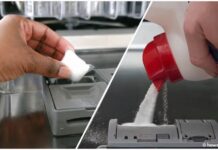
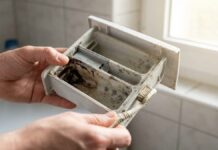
Pour approximately 100 ml (about 1/3 cup) into your fabric softener dispenser. Treat it exactly like you would liquid softener.
The results:
On towels, the difference is visible after just a few washes. They become less rigid, regain their loft, and absorb water much better. If you have very hard water, this simple step acts as a true anti-stiffness treatment.
Baking Soda for Odor Neutralization
Baking soda works differently than vinegar. It neutralizes odors and helps relax fibers during the wash cycle.
This is particularly useful for workout gear, kitchen towels, and textiles that hold onto stubborn smells or grime.
How to use it:
Add 1 to 2 tablespoons directly into the washing machine drum, along with your regular detergent. Do not use it instead of detergent; use it with it.
Why it works:
It improves the washing process when water is high in minerals and limits the “heavy” feeling of wet laundry. Its purpose is not to perfume but to make the textile feel fresher and cleaner to the touch. For delicate fabrics, stick to a lighter dose.
Epsom Salt for Deep Softening
Epsom salt is often overlooked, but it is highly effective for hard water areas. It helps soften the water itself, leading to more consistent fabric softness.
Think of it as a spa treatment for your clothes. It reduces roughness and increases flexibility without weighing down the fibers.
How to use it:
Add 1 to 2 tablespoons directly into the drum. This is ideal for thick cotton items like bath towels, bedsheets, and robes.
The benefit:
It limits the way minerals cling to fibers. When limescale is the main culprit for stiffness, this small addition changes the texture of the fabric significantly. As with any new routine, test it on a standard load first to see how your specific machine and water hardness respond.
By stripping away the chemical film, your laundry will feel genuinely clean. Not coated. Not perfumed. Just clean. And that is a feeling you can actually maintain.
The real difference between stiff, scratchy laundry and luxuriously soft textiles isn’t always in the detergent bottle. It’s in what happens after the cycle ends. Most of us rinse and fold, but if your towels feel like sandpaper or your sheets cling to your legs, you’re missing a mechanical step.
Why Towels Get Stiff (And How to Fix It)
Towels and bathroths need to regain their loft. They lose it when fibers mat together during the spin.
Wool dryer balls are the standard fix. They bounce around the drum, physically separating fibers as they dry. This increases fluffiness and cuts down on static electricity. The result is softer textiles without chemical residues or added fragrances.
If you don’t have wool balls, don’t panic.
Aluminum foil balls work surprisingly well. Crumple a sheet of foil into a dense, marble-sized sphere. Toss it in the dryer. It acts as a natural anti-static agent. You can reuse it for several cycles as long as it stays compact. It’s a free alternative when you’re out of wool.
“This is mechanical, not chemical. It’s often the missing link when laundry comes out stiff despite good washing.”
Even air-drying matters. The goal is to prevent fabrics from drying “stuck” to themselves. More separated fibers equal a moister, softer touch.
The Air-Dry Technique: Don’t Just Hang and Forget
Air drying can yield soft results, but only if you avoid over-drying and poor positioning.
- Shake violently. Before hanging anything, give it a strong shake. This loosens the weave.
- Space them out. Crowding prevents airflow.
- Fold while damp. Don’t let items “cook” on the line, especially near heat sources. This rigidifies fibers.
For thick items, flip them halfway through. These small minutes of effort save you from that rigid, cardboard-like feeling later.
DIY Mixes by Laundry Type
Not all fabrics need the same approach. Here is how to customize your routine for specific results.
Towels and Bathrobes: Restore Absorbency
The priority here is fluffiness without clogging the loops.
- The Rule: White vinegar in the rinse cycle. No fabric softener.
- The Boost: Add Epsom salt to the drum once every week or two if you have hard water.
- The Dry: Use wool balls in the dryer or shake vigorously before line drying.
Towels are only as soft as they are free of buildup. Vinegar strips away detergent residue and mineral deposits. A truly soft towel is a clean one.
Sheets and Daily Wear: Softness Without Grease
For sheets and clothes, you want drape and freshness. No greasy film on the fibers.
- The Duo: Baking soda in the drum to neutralize odors, plus white vinegar in the rinse to soften.
- The Benefit: This combo prevents that “catching” feeling on synthetic fabrics and limits residual smells.
- Static Control: If using a dryer for synthetics, add your aluminum foil ball.
A neutral fabric is often more comfortable against the skin. It also presses easier because the fibers aren’t gunked up.
Baby Laundry and Reactive Skin: Keep It Simple
For sensitive skin, less is more. The goal isn’t to “smell clean.” It’s to have a textile that is clean, soft, and breathable.
- The Strategy: Vinegar in the rinse. It rinses away well and leaves no lingering scent.
- What to Avoid: Don’t layer products. A properly dosed detergent and thorough rinse are usually enough.
- Spot Treatment: Use a little baking soda only if items are particularly odorous.
- Drying: Keep it gentle. No high heat.
Fewer residues mean fewer triggers for reactive skin. You aren’t trying to mask smells; you’re trying to eliminate the irritants.
It’s not about finding the perfect product. It’s about stopping the buildup that makes laundry feel like a chore. What’s your biggest laundry headache?
Too much laundry detergent is the most common false economy in a wash routine. The excess doesn’t just rinse away. It deposits itself inside the fabric, hardening the fibers over time. Your clothes feel rough not because they lack softener, but because they are coated in residue. Hard water makes this worse. Minerals bind to the soap scum, creating a rigid barrier that feels like sandpaper against your skin.
The fix isn’t more product. It is less.
Use the minimum recommended dose for lightly soiled loads. Save the heavy lifting for heavily stained items. True softness comes from clean fibers, not a chemical layer. If your machine allows, add an extra rinse cycle occasionally. It flushes out what the first wash leaves behind.
Where to Put Natural Alternatives Matters
Dosage and placement are equally important. Dumping vinegar into the fabric softener drawer and baking soda into the drum might seem logical, but it often cancels out the benefits. Mixing vinegar and baking soda in the same compartment triggers an immediate chemical reaction. They neutralize each other before they ever touch your clothes.
You need to separate them in time. Use your machine’s cycle to your advantage. Add baking soda during the main wash. Reserve vinegar for the rinse cycle. This logic keeps your routine effective. You clean and neutralize first. Then you soften and descale second. It prevents the guesswork that leads to disappointing results.
Practical DIY Swaps for Softer Textures
You don’t need to multiply products to get better results. A few cheap, targeted habits can transform the feel of your linen. These methods work best when applied consistently.
- White vinegar in the fabric softener dispenser (about 100 ml). It cuts through mineral buildup and softens fibers naturally.
- Baking soda in the drum (1-2 tablespoons). It neutralizes odors and helps relax tight weave during the wash cycle.
- Epsom salts in the drum (1-2 tablespoons). Especially useful in areas with hard water to add pliability.
- Wool dryer balls in the dryer. They bounce around to aerate clothes, reducing drying time and static cling.
- Controlled air drying. Shake items out before hanging. Space them properly. Fold them immediately once dry to set the shape.
- Aluminum foil balls in the dryer. A cheap anti-static hack that works surprisingly well for synthetic blends.
Replacing commercial softeners with these targeted steps gives you real softness. It lasts longer and respects the integrity of the fabric. You don’t need heavy perfumes or complex formulas. Just logic and consistency. Between vinegar rinses, baking soda washes, and better drying habits, towels regain their plushness. Clothes become a pleasure to wear.
Is the real luxury simply clean fabric that holds nothing unnecessary?