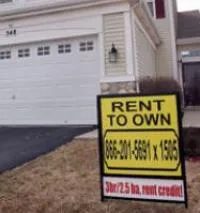
You signed the papers. The boxes are in the new place. You’re technically moved in. But there’s a ghost haunting your bank account: the old house. It’s sitting there. Unsold.
Waiting is expensive. In markets where renting is cheaper than buying, qualified buyers are scarce. When buyers do show up, they often lack the down payment or the credit score to close the deal. You’re stuck between two mortgages or paying to store furniture.
For many homeowners in this bind, a lease-to-own arrangement offers a lifeline. It’s not a sale. It’s a lease with an option to buy later. Think of it like leasing a car, but with the potential to own the asset at the end of the term. Usually, the term lasts about three years.
Here is how the mechanics work. You rent the home out. The tenant pays monthly rent. A portion of that rent goes toward a future down payment. When the lease ends, they can buy. Or they can walk away.
This structure helps sellers escape the dual-mortgage trap. It attracts buyers who need time to build equity. But it requires a ironclad contract. Both sides need to understand the risks.
Зміст
The Financial Mechanics
Money moves in two directions here. You get monthly rent. That covers your current mortgage, taxes, and insurance. You also get an upfront fee. This is the “option consideration.” It’s non-refundable. It buys the tenant the right to purchase the home at a set price later.
A portion of the monthly rent is “rent credit.” This accumulates. It acts as a down payment if they exercise their option to buy.
Let’s say the market price is $300,000. You agree on a purchase price of $320,000. The tenant pays $500 extra per month as rent credit. Over three years, that’s $18,000 saved for their down payment. You get steady income. They get time to improve their credit or save more cash.
If they decide not to buy, you keep the option fee. You keep the rent credits. The house stays yours. You can try selling it again.
Who Benefits? Who Gets Burned?
Rent-to-own works best when the housing market is slow. Traditional sales are frozen. This alternative keeps the property moving.
For sellers, the relief is real. No more holding costs eating into equity. No more waiting for a buyer who might fall through. You have a tenant-who-might-be-a-buyer. They usually take better care of the home. After all, they might own it.
For buyers, it’s a bridge. They can’t get a mortgage yet. Maybe their debt-to-income ratio is too high. Maybe they’re self-employed and need more tax history. This path lets them live in the home. Lock in a price. Fix their financials.
There are downsides. Prices can rise. If the market booms during the lease, the tenant might be locked into an older, lower price. Or they might be stuck with a higher price if the contract dictates market value at the end. Sellers risk a tenant who never intends to buy. They just want a place to live with a

Locking in the Price and Terms
You’ve been sitting on the market too long. The mortgage payments on your old place are eating you alive, and you can’t sustain payments on two homes simultaneously. Selling feels impossible without taking a massive loss. So, you pivot. You consider renting the property to a tenant who intends to buy it later.
It’s a classic rent-to-own arrangement. But before you sign anything, you need to nail down two numbers: the final sale price and the monthly rent. Both are negotiable. Here is the catch: once you sign, the sale price is frozen. It doesn’t matter if housing prices skyrocket or crash during the lease term. The price stays exactly where you agreed, usually for a period between one and three years.
The buyer isn’t just paying standard rent. They are paying an option fee and a rent premium. The option fee is a lump sum handed over upfront. If the tenant buys the house at the end of the lease, that money counts toward their down payment. If they walk away? It’s yours. Keep it. No questions asked.
Then there is the rent premium. This is the amount charged above standard market rent. A portion of that extra cash is set aside as a rent credit. Think of it as forced savings for the buyer, but funded by their higher monthly payments.
Crunching the Numbers
Let’s look at the math so you aren’t guessing.
- Home Value: $200,000
- Standard Rent: $1,000/month
- Agreed Rent: $1,200/month
- Rent Credit: $200/month (the premium portion)
- Option Fee: $5,000
If the lease lasts three years, the tenant accumulates $7,200 in rent credits ($200 x 36 months). Add the initial $5,000 option fee, and they walk away with $12,200 in equity credit toward their down payment.
For buyers with thin credit files or empty bank accounts, this is a lifeline. They get the keys and the chance to build equity. For you, the seller, it’s a financial safety net. You collect that extra rent whether they buy the house or not. If they flake or fail to secure financing at the end, you keep the option fee and the accumulated premiums. You’ve effectively been paid to wait for a serious buyer.
The Risks Are Real
This isn’t a charity. It’s a contract with teeth. What happens if a cash buyer comes along offering $205,000? You are locked into the lower, agreed-upon price. You might lose out on immediate profit. Conversely, what if the roof leaks at 2 a.m. during a storm? Who pays? Most contracts place repair responsibility on the tenant, but you still own the asset. If they ignore the damage, your property value drops. You need to be clear on maintenance duties before you hand over the keys.
Lease-Option vs. Lease-Purchase
Terminology matters. It used to be that a lease-option gave the tenant the choice to buy. They could walk away without penalty. A lease-purchase meant they were legally obligated to buy. The deal was done.
Today, people use the terms interchangeably. This ambiguity is dangerous. You must specify in the contract whether the buyer is obligated to purchase or merely has the option to purchase. Ambiguity leads to lawsuits.
Land Installment Contracts
Another beast entirely is the land installment contract. Here, the seller retains the title to the property until the buyer pays off the full purchase price plus interest. It’s like a mortgage you create yourself. This is common when buyers can only afford tiny down payments and smaller monthly checks.
There is no bank involved. No traditional mortgage. The seller acts as the lender. This carries huge risk. If the buyer stops paying, you have to go through a complex legal process to reclaim the title, which can be slower and more expensive than a foreclosure. You must verify you actually own the property free and clear before entering this. The buyer usually handles repairs, taxes, and insurance, but if they stop paying, you’re stuck with the mess.
Is It Better to Invest Elsewhere?
Before you accept the rent-to-own deal, do the math on the alternative. What if you took that $12,200 in option fees and premiums and invested it yourself?
In a high-yield savings account or a three-year CD, you might earn between $350 and $450. That’s peanuts. But if you put that money into stocks or mutual funds, the returns could be significantly higher. A conservative estimate might turn that $12,200 into $14,640 over three years.
Of course, the stock market is volatile. It’s not guaranteed. But for some sellers, the liquidity of cash and the potential for higher returns outweigh the security of a locked-in rent-to-own tenant. For others, the guarantee of a future sale is worth passing up that extra investment growth.
There is no perfect answer. It depends on your risk tolerance, your cash flow needs, and how much you trust the tenant to maintain your asset. Just make sure you understand the contract. Really understand it. Because once you sign, you’re locked in too.