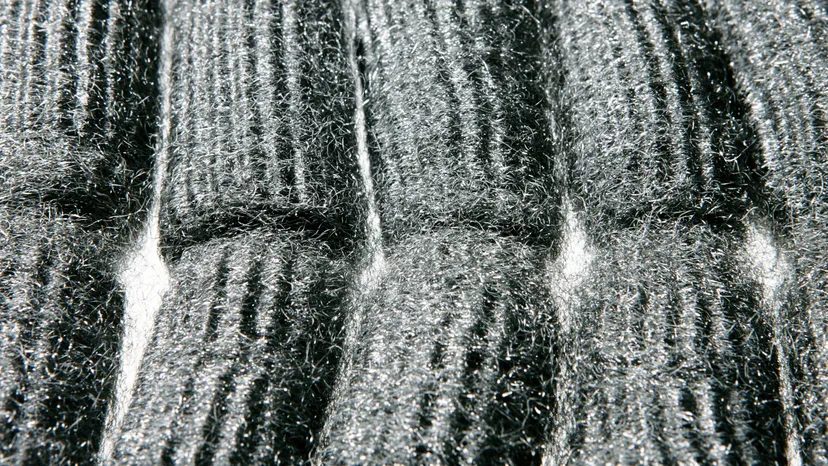
You probably think of steel wool as just a scrubbing pad for burnt pots. It is. But it is also a tiny fire hazard waiting to happen. The danger starts long before you buy it. During manufacturing, slicing tools shave fine threads off steel bars. This process generates a tremendous amount of heat. To stop the metal from melting or catching fire right there on the assembly line, the equipment is cooled with oil. That oil soaks into the wool. It stays there.
This residual oil is the problem. It makes the material highly flammable. Worse, it can lead to spontaneous combustion if you store it wrong. The oil oxidizes slowly. Heat builds up. If that heat has nowhere to go, the pile catches fire on its own. No spark needed. Just time and poor ventilation.
Storage Safety and Spontaneous Combustion
How do you store it without risking a garage fire? The key is managing that oil content. Never store steel wool in an airtight container where heat can trap. Do not leave it bunched up in a damp corner where the oil breaks down faster. Keep it in a metal tin with a loose lid or in a breathable bag. If you are using it for cleaning, rinse it and let it dry completely before putting it away. Water removes some of the oil, reducing the fuel source.
“To reduce the chance of fire and lessen friction, the slicing tool is kept cool with oil, but this means the steel wool itself contains some oil.”
This isn’t just about storage. You need to be careful with how you handle it near open flames. Keep it far away from gas stoves, candles, or pilot lights. One stray spark can ignite the oily fibers instantly. The same goes for mechanical sparks. Don’t use it near grinding wheels or power tools that create sparks. It’s not just a cleaning tool. It’s kindling.
Using Steel Wool as a Fire Starter
Here is where it gets useful. You can bring steel wool on a camping trip specifically for starting fires. It works even if it is wet. Wet steel wool might seem counterintuitive, but the oil still conducts electricity. You don’t need dry conditions to light a fire with it.
Hold one part of the steel wool to the positive end of a battery. Touch another part to the negative end. The wool bridges the gap. Current flows. The thin strands heat up rapidly. They glow. You get an immediate flame.
A 9-volt battery is the standard choice. Rubbing the two terminals against the steel wool works well. The resistance in the fine metal threads converts electrical energy into heat almost instantly. You can catch a flame from this in seconds.
Battery Safety Precautions
Do not keep the battery and the steel wool together in your pocket or pack. This is a critical safety rule. If the terminals touch the wool while they are compressed against each other in a bag, the circuit completes. Heat builds up. The wool ignites. You now have a fire in your backpack. It is unpredictable. It is dangerous.
Always separate the two. Use the steel wool for ignition, then discard the used portion. Do not reuse it if it has been partially burned. The structure changes. It becomes unpredictable. Store your batteries in their original packaging or a