Nobody wants to buy a new washing machine after three years. It’s expensive. It’s frustrating. Nevertheless, many of us actively participate in making our machines fail faster. We do it in small, almost invisible ways. Too mundane to notice, but devastating over time.
If you want your device to last, you need to avoid these common mistakes. We are talking about everyday mistakes that cost French households billions in spare parts every year. It’s time to think about what you should avoid.
Зміст
Overfilling the drum leads to mechanical stress
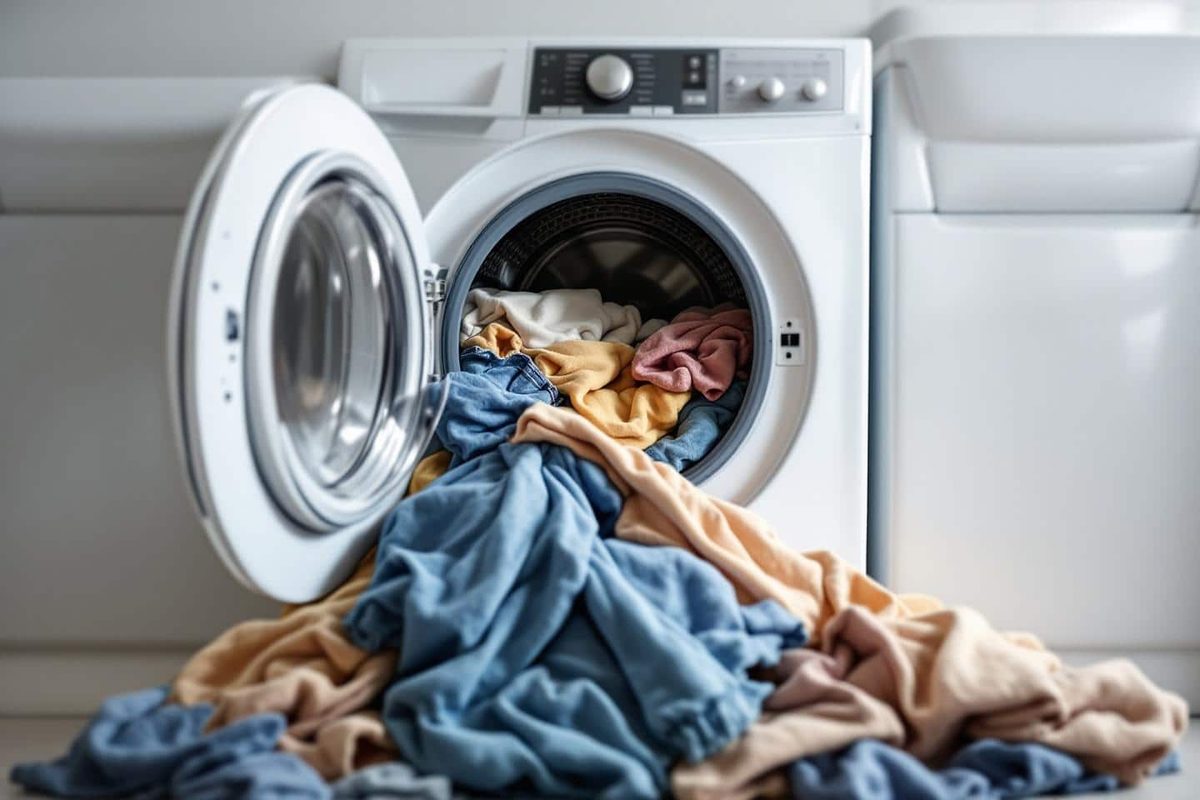
The need to save time and water is great. You pile laundry high. You want one cycle to do it all. This is a serious mistake.
Maximum filling of the drum puts a huge strain on the internal mechanics. The belt and motor have to work harder. They fatigue faster. The clothes don’t wash well either. There may be stains or detergent that has not been rinsed. Then you have to do another cycle. You use more water and energy. You wear out the machine even more.
Check the user manual. Most machines can handle a weight of 5-8 kg. Respect this limit. Two well-loaded cycles is better than an overloaded disaster that can breaking the motor.
“The reflex to pass everything in a single load is one of the most common mistakes.”
Ignoring the filter will cause blockages
Cleaning the filter is not for everyone. It should be. A clogged filter traps lint, hair, detergent residue and lost items such as coins.
These deposits lead to clogging. The motor must push the water through the debris. This can cause the program to stop during washing. Some modern machines have a warning light. Many don’t. You must check the trap every two months.
It takes a few minutes. But it prevents expensive repairs. It keeps the washing performance high. This is an important step in extending the life of your device.
Incorrect detergent and temperature settings
Choosing comfort often backfires. Using too much detergent or stain remover causes more problems than it solves. Excess soap collects on the heating elements. This leads to overheating. It leads to poor rinsing. It produces unpleasant odors.
It is also an illusion that warmer is cleaner. We set the dial on high too often. It consumes energy. It stresses the machine unnecessarily. For most textiles, 30 or 40°C is enough. It is gentler on the fabric and the motor.
Use the correct amount of detergent. Consider the hardness of the water. Vary your temperatures. Don’t blow everything on high heat.
Leaving Wet Clothes Stagnating
Leaving wet laundry in the drum is a bad habit. It promotes mold and mildew. It damages the interior surfaces over time.
Closing the door immediately after the cycle traps moisture. This is a breeding ground for bacteria. Odors arise that are difficult to remove.
Open the door after each wash cycle. Let it air out. This simple process prevents moisture build-up. It keeps the machine fresh. It protects the rubber seals.
Daily maintenance saves money
A strict routine is your best defense against premature wear and tear. Neglecting the pockets leads to micro damage. A forgotten handkerchief or coin can scratch the drum or block the pump.
Check pockets before loading. This small step prevents sudden failures. It’s not just about the filter. It’s about the whole system.
Here is the checklist you should follow:
- Clean the filter every two months.
- Pay attention to the maximum load.
- Use the right type of cleaning agent according to the hardness of the water.
- Leave the door open after each cycle to dry the drum.
- Carry out a maintenance cycle every three months at 60°C with white vinegar or a special cleaning agent.
It is also a good idea to clean the rubber seal and the detergent compartment every month. Dirt accumulates in these areas. Wipe them off. It takes a little time. It makes a big difference.
Conclusion
The secret to a long-lasting washing machine is not magic. It’s consistent maintenance. It’s about avoiding false economy. Stop the overload habit. Keep the filter clean. Let the drum dry.
Missing filter cleaning or regularly overloading can cost hundreds in repairs. Repeated treatment is the best insurance. No hidden costs. No technical measures are required.
Change your habits today. You will get an efficient and quiet machine for years to come. If more people would repair instead of replace, we would all save money. The planet would also benefit.
What small change will you make on your next load?