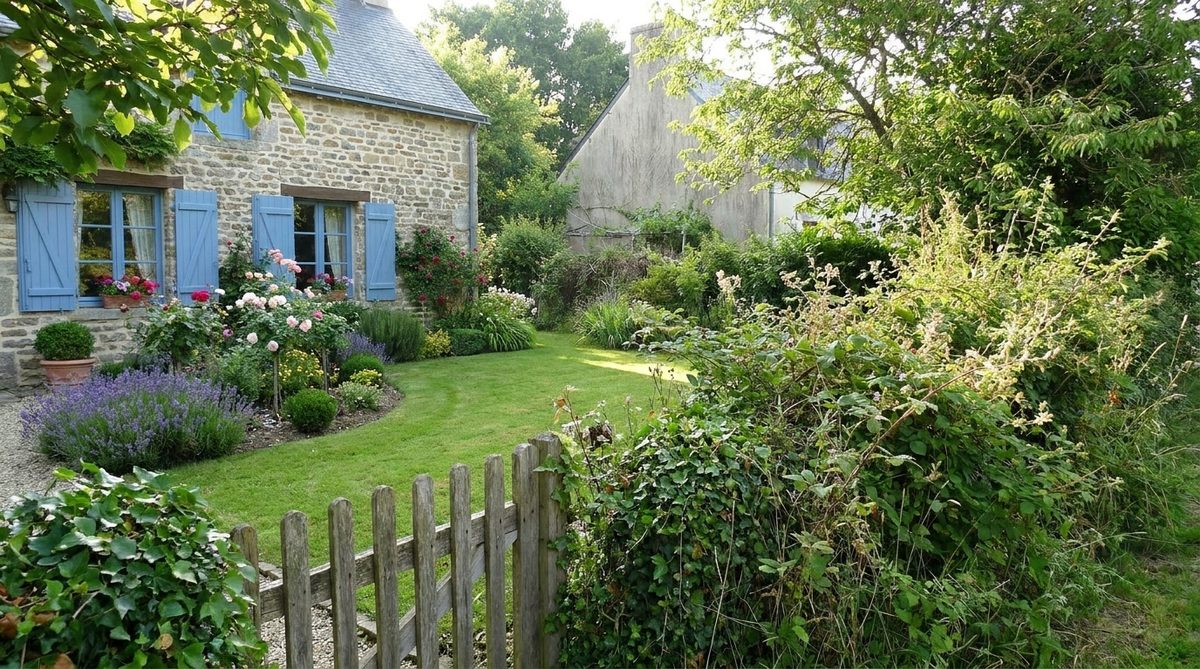
Summer hits hard. You step outside and the greenery is exploding. It’s that chaotic, vibrant energy that makes eco-friendly gardening so rewarding but also so messy. You wander through the aisles of big box stores like Botanic or Jardiland, spotting new plants, feeling inspired. Then you look up. The neighbor’s bush is leaning over your fence.
This is the classic headache. Managing a boundary hedge or a private one is the number one source of friction between neighbors. You want a clean, tidy garden. They have a leafy wall that’s out of control. How do you force them to cut their own shrubbery to keep your space decent?
You Can’t Force Aesthetic Cuts, But You Can Stop Encroachment
Here is the frustrating part. If you love a manicured, clipped look, you are out of luck regarding their property. It is strictly impossible to force a neighbor to maintain their side of a private hedge for aesthetic reasons.
Let’s be clear. If their planting respects the legal distance from the property line, the way it looks on their side is their problem. Their negligence is their burden. The law does not care about your curb appeal if their trees are legal.
However, the rules change the second branches cross the line.
“It is entirely legal to demand the systematic cutting of branches that encroach over your own garden.”
This is where the law becomes strict. If branches hang over your fence or drop leaves onto your patio, you have rights. But there is a catch. A massive one.
You cannot grab your own hedge trimmer and snip them off yourself.
This is a common mistake homeowners make in a fit of frustration. It is formally prohibited to enter the neighbor’s space to cut their plants. That task belongs exclusively to the owner of the plant. They must do it. Or they must pay a professional to do it for them. If you cut it, you are the one in trouble, not them.
From Condo Rules to Nuisance Claims: Your Weapons
If you are dealing with a shared hedge—meaning it grows exactly on the dividing line—the maintenance responsibility falls on both parties. In theory, you split the effort. In reality, one person usually does the work while the other watches.
When talking doesn’t work, look at the paperwork.
Check the condominium bylaws or the subdivision regulations. These documents often have strict rules about hedge height and trimming frequency. If those rules exist, they override common courtesy. Citing them is often enough to make a recalcitrant neighbor pull their weight.
What if there are no specific rules?
Then you invoke abnormal neighbor nuisance.
This is a legal concept for when a neighbor’s negligence causes significant interference. It’s not just about aesthetics. It’s about damage.
- Does the overhang block light from reaching your terrace?
- Is it clogging your gutters with autumn debris?
- Is it creating constant dampness that rots your wooden shed?
If you can prove these issues, the justice system recognizes the prejudice. They can force the negligent party to act.
Step-by-Step: Escalating Your Response
Do not waste energy on endless arguments. Preserve your strength for your own garden. Follow this progression to resolve the conflict without burning out.
-
Friendly Dialogue
Start here. A chat over the fence or a casual conversation can solve everything. People often don’t realize how much their overgrown plants bother others until you point it out calmly. -
Informal Written Note
If words fail, leave a polite note in their mailbox. Remind them of the trimming rules with tact. Keep it brief. Do not be aggressive. -
Formal Notice (Mise en Demeure)
Now you get serious. Send a registered letter with acknowledgment of receipt. State clearly that you expect the hedge to be trimmed by a specific deadline. This creates a legal paper trail. -
Justice Conciliator
If the letter is ignored, this is the mandatory next step. It is a public mediator service and it is free. You cannot skip this. They will try to broker a compromise. -
Legal Action
This is the last resort. You go to court. The judge can impose financial penalties for every day the branches remain uncut. It is expensive and time-consuming. Avoid it if you can.
Knowing your rights helps you reclaim your garden’s peace. But remember, a successful green space is about harmony. With the plants, and with the people next door.
So, what is the most diplomatic way to get your neighbor to dust off their clippers before the next heatwave?