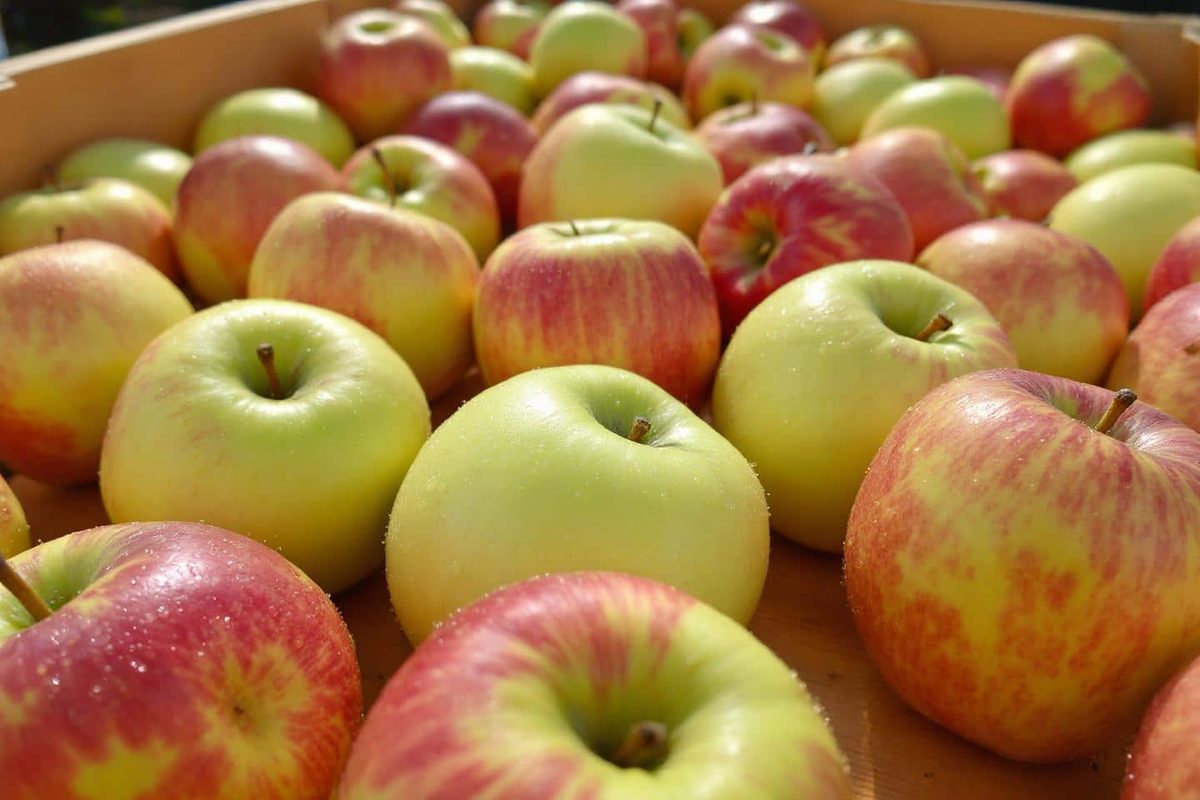
Fall is here. The orchard is heavy with apples, pears, quinces, and those stubborn late plums clinging to branches. You grab your baskets. You harvest everything the tree offers before the first frost hits.
It’s frantic work. But then comes the disappointment. Year after year, you watch piles of fruit turn to mush or dry out into flavorless dust. You didn’t have time to use them. You filled your crates only to throw them out because you missed one simple step.
There is a decisive step most people ignore. It is the only way to actually enjoy your harvest all winter.
Зміст
Harvesting at the Peak
Picking fruit at the right moment promises two things: explosion of flavor and optimal storage life. But finding that “just right” point is an art.
Look at the color. It intensifies. Sometimes a blush of pink appears. The stem should detach with a gentle quarter-turn. The flesh is still firm, but it smells sweet and fruity.
Stop picking in one massive wave. It’s tempting to clear the tree in a day, but it’s counter-productive. Fruit that has fallen to the ground is already fragile. It won’t last. Fruit picked too early never reaches its full taste potential. It just dries out.
The strategy: Go in multiple passes. Only take the mature, resistant ones. Handle them gently. A single bruise accelerates rot. Use shallow baskets to limit impacts.
The Sort: Your First Line of Defense
The real work begins when you bring the harvest inside. Not all fruits store the same way. Apples release ethylene gas. This ripening agent speeds up the aging of their neighbors. Mixing varieties or maturity levels can compromise the entire batch.
To gain weeks of eating time, separate your harvests by variety and maturity. Isolate damaged, cracked, or spotted fruit immediately. They will contaminate the rest by rotting faster.
Don’t leave sorting to chance. Place each fruit on a clean surface. Check the skin for cuts, insects, or mildew. Consume any flawed fruit within the week or turn it into sauce and jam.
The perfect specimens get wiped down and stored separately. This quick inspection prevents the tragedy of tossing a whole crate because of one forgotten bad apple.
The Secret to Long-Term Storage
Even the best harvest dies if you store it poorly. To keep apples, pears, and quinces for months, create an environment like an old rural cellar.
It needs to be cool. Six to ten degrees Celsius is ideal. It must be dark. And it needs air.
A garage or cool laundry room works if you avoid freezing drafts or heated rooms. Put fruit in crates without them touching each other. Or use shelves in a single layer.
Excess humidity is enemy number one. Keep the space dry. Don’t store fruit near vegetables like potatoes, which release moisture.
Weekly Maintenance
Vigilance doesn’t stop after storage. Check your stock every week. Turn the specimens. Remove any with soft spots or new stains. Reorganize lots if needed.
This simple reflex stops the spread of rot. It extends the life of the rest.
Wipe the fruit at harvest to remove surface moisture. Check ventilation regularly to prevent mold. Sometimes you just need to lift your crates slightly with a brick or board to ensure the air can circulate.
If you do it right, the winter table stays fresh. If you don’t… well, you’ll be eating applesauce by November again.
The colder it gets, the more you have to watch your back. You can do everything right. You can pick the right apples. You can store them in a cool, dark place. But nature doesn’t always play by your rules.
Signs of degradation appear faster than you might expect.
How to spot rot before it spreads
Don’t wait for the fruit to fall apart. Check your storage bins regularly. The older the winter goes, the more intense your inspection needs to be. Trust your nose and your eyes.
If an apple smells too strong, it’s turning. If the skin feels sticky, stop. Dark spots on the surface are a red flag. These aren’t just cosmetic issues. They are signals that the fruit is breaking down from the inside out.
Consume these fruits immediately. Do not let them sit.
Late varieties, like certain storage apples, can last until spring. But only if you don’t leave anything to chance. One bad apple can infect the whole crate. A single neglectful moment can turn your pride into compost.
What to do with overripe fruit
You don’t have to throw away softening apples. You don’t have to discard bruised pears. Transform them.
This isn’t just about saving food. It’s about extending the life of your harvest. Here is how you can stretch your stock and avoid waste:
- Make homemade applesauce. It’s the fastest way to use up soft, mushy fruit.
- Bake rustic tarts. Use a mix of imperfect fruits. The crust hides the flaws.
- Boil jams and jellies. Capture the flavor before the texture fails.
- Share the load. Give extras to neighbors or local food associations.
Why let good food rot?
Why the winter months matter
Preserving your harvest isn’t just a chore. It’s a chance to reinvent your kitchen. You get to taste the flavor of your garden long after the frost hits.
The key is the triage and storage phase. Too many people skip this. They throw everything in a bin and hope for the best. That doesn’t work. You need a space that is cool, dark, and well-ventilated. This setup makes all the difference. It stops fruits from rotting too quickly. It buys you time.
Time for improvisation. Time for vitamin-rich snacks. Time to enjoy the fruits of your labor.
Integrate these habits into your yearly routine. Do it year after year. You’ll notice a change. The waste will drop. The enjoyment will rise.
Who knows? This might be the year your baskets hold out until those first spring buds break.