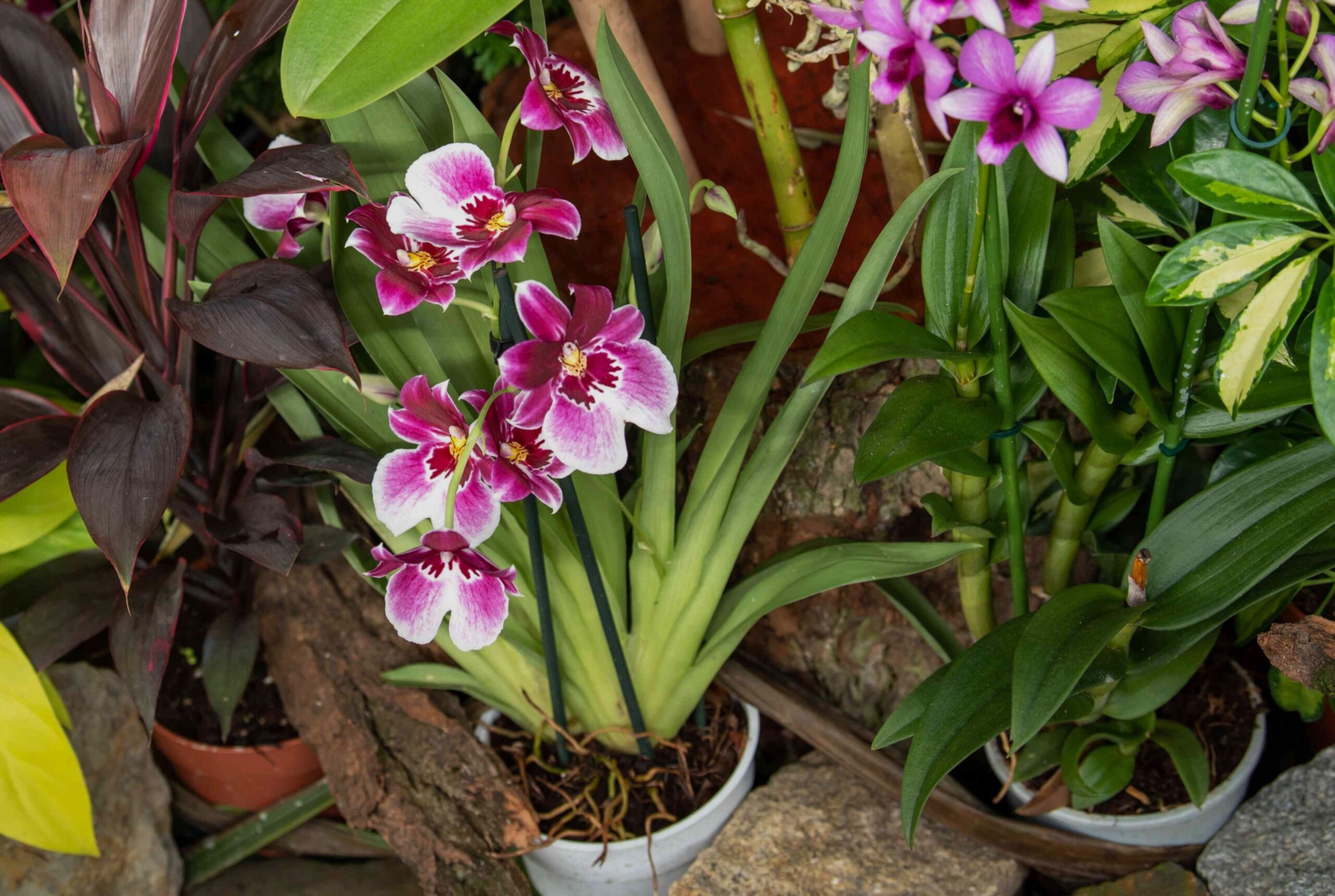
Moth orchids (Phalaenopsis ) are a staple in many homes, prized for their ability to bloom for months on end. Despite their widespread popularity, these plants often carry an unfair reputation for being high-maintenance or difficult to keep alive. This perception creates a barrier for many new plant owners who fear failure before they even begin.
In reality, orchids are not inherently difficult; they are simply misunderstood. As orchid expert Toine Overgaag points out, the “difficult” label is largely a result of misinformation rather than the plant’s actual needs. Once you understand their specific requirements for light, water, and consistency, orchids become surprisingly low-maintenance and rewarding houseplants.
The Secret to Success: Consistency Over Complexity
The core challenge with orchids is that they do not thrive on erratic care. Unlike some hardy houseplants that can survive neglect, orchids require a stable environment. Overgaag emphasizes that consistency is the most critical factor in keeping an orchid healthy.
When you provide a steady routine, the plant can focus its energy on growth and blooming rather than survival. This means avoiding the common pitfalls of overwatering during a guilt trip or forgetting to water for weeks on end.
Mastering the Three Pillars of Care
To keep your orchid alive and thriving, focus on these three fundamental areas. Getting these right will resolve 90% of common orchid problems.
1. The Watering Cycle: Dry Thoroughly, Water Deeply
The most common mistake new owners make is watering too frequently or using the wrong method. Orchids are epiphytes, meaning they naturally grow on trees in the wild, not in soil. Their roots need air circulation just as much as they need moisture.
- The Rule: Water thoroughly, then allow the medium to dry out completely before watering again.
- Why it matters: Constant moisture leads to root rot, which is fatal. Allowing the roots to dry out mimics their natural habitat where rain comes in bursts followed by dry periods.
- The Method: Soak the pot or water until it drains freely, ensuring no water sits in the crown (the center of the plant) to prevent fungal issues.
2. Light Requirements: Bright but Indirect
Orchids need light to produce energy for blooms, but