Stop buying expensive, toxic herbicides at the big-box store. You already have the ingredients in your kitchen.
A simple mixture of white vinegar, salt, and dish soap can wipe out weeds faster than most commercial sprays. It costs pennies. It works on contact. But it has a dark side.
This isn’t just gardening advice. It’s chemistry. And if you use it wrong, you might ruin your soil forever.
Зміст
The Science Behind the Spray
Most store-bought weed killers rely on glyphosate or paraquat. They are systemic. They travel through the plant’s roots. They stay in the ground for years.
This DIY alternative is a contact killer. It burns the foliage on touch. It does not kill the roots deep down. That means you may need to reapply. It also means you can use it on hardscapes where plants shouldn’t grow.
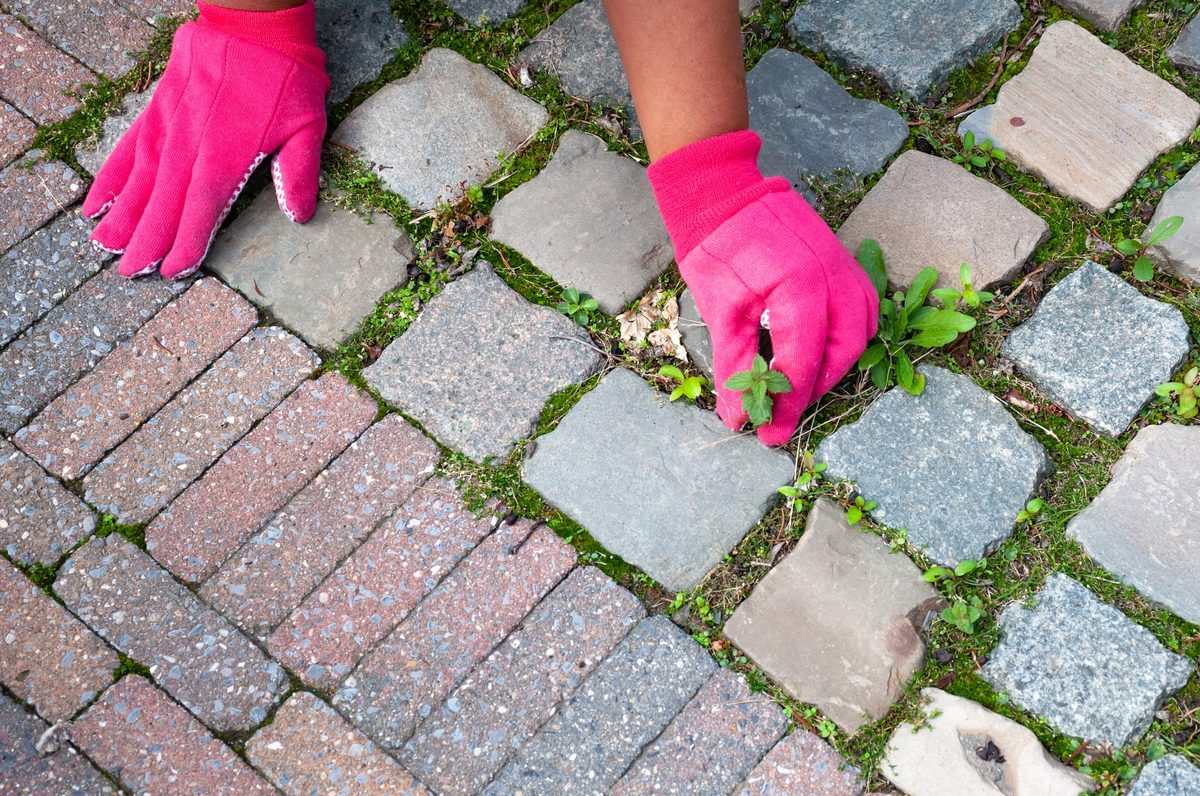
Think cracks in the driveway. Paving stones. Gravel paths.
The Recipe
You need three ingredients. Nothing more.
- White vinegar (5-20% acetic acid) : The acid breaks down the plant’s cell walls. Higher concentrations work faster but are harder to find.
- Table salt (sodium chloride) : This draws moisture out of the plant cells. It creates a desiccant effect.
- Dish soap (liquid) : Acts as a surfactant. It helps the mixture stick to the leaves and spread out.
Here is the basic ratio:
- One gallon of white vinegar.
- One cup of table salt.
- One tablespoon of dish soap.
Mix the salt into the vinegar first. Stir until it dissolves. Add the soap last. Don’t shake it too hard or you’ll get too much foam. Pour it into a spray bottle.
Where to Apply (And Where Not To)
This is the most important part.
Salt does not disappear. It stays in the soil. It raises the salinity. Plants cannot handle high salinity. They die.
If you spray this on your lawn, you will create a dead zone. A bare patch. That patch may never grow grass again.
So, where does it belong?
- Driveway cracks : Yes.
- Walkway edges : Yes.
- Around patio stones : Yes.
- Vegetable gardens : No.
- Flower beds : No.
- Near fruit trees : No.
Do not use this near plants you want to keep. Even a little drift can harm them. The acid can also etch stone or concrete over time. Test a small area first.
How to Use It Safely
Wear gloves. Wear goggles. Acetic acid stings eyes. It burns skin.
Spray on a dry, windy day? No. Spray on a calm day so the mist doesn’t drift onto your prize roses.
Best time to spray? Midday when the sun is hot. The heat helps the vinegar penetrate the leaves faster. You want the plant to wilt within hours.
Watch the weather forecast. Do not spray before rain. Rain will wash it away before it works. And it will wash the salt into your garden beds.
Why This
You might be looking for a way to zap stubborn weeds without reaching for the chemical sprays at the hardware store. There is a recipe that circulates online with a reputation for being terrifyingly effective. It uses common household items. The result is a mixture that can strip a driveway of green life in days. But before you mix that bucket, you need to understand exactly what you are unleashing on your soil.
Why This Mixture Works So Hard
The power comes from a specific chemical triad. Each ingredient has a distinct job in destroying plant tissue.
- Table salt draws water out of the plant cells. This process is called osmotic stress. It dehydrates the roots deep underground, not just the leaves.
- White vinegar contains acetic acid. It acts as a contact herbicide. It burns the foliage quickly.
- Dish soap is the glue. It breaks the surface tension of the water. This helps the acidic solution stick to waxy leaves instead of beading up and rolling off.
Together, they create a cocktail that is hard for weeds to survive. The recipe is straightforward, but the consequences are permanent.
The Recipe and Application Steps
If you decide to proceed, follow these proportions exactly. Deviating from this ratio changes the potency.
- 1 liter of white vinegar
- 200 grams of table salt or road de-icing salt
- 1 tablespoon of biodegradable dish soap
Mix the salt into the vinegar until it is fully dissolved. Add the soap last. Stir gently to avoid creating too much foam. Pour the mixture into a pump sprayer.
Application timing is critical. Do not spray on a cloudy day. You want direct sunlight. The heat accelerates the dehydration process. Spray on a dry, sunny day with no rain forecast for at least 24 hours. Rain will wash away the solution before it does its work.
Where to Use This Homemade Herbicide
This solution is non-selective. It kills everything it touches. That is its main selling point for some, and its biggest flaw for others.
Use it only in hardscaping areas where you never want anything to grow again. Good targets include:
- Gravel pathways
- Concrete driveway cracks
- Joints between patio pavers
- Along fence lines where you have no other plants
- Around the base of non-living structures
It is particularly useful for invasive grasses like Bermuda grass or perennial weeds like bindweed that are hard to pull by hand.
Do not use this near your vegetable garden. Do not use it under fruit trees. Do not use it in flower beds. The salt remains in the soil for years. It creates a hostile environment that prevents almost all other plants from taking root.
The Hidden Cost to Your Soil
People often call this mixture “natural,” which implies it is harmless. That is a dangerous assumption. Salt is not benign. It alters the soil structure. It disrupts the microbial life that healthy soil depends on. It can raise the salinity levels high enough to contaminate groundwater if used in large quantities.
The vinegar also changes the pH level. While the acid breaks down quickly, the salt does not. You are essentially sterilizing a patch of earth. The effects are not reversible in the short term. You could be looking at barren ground for several months or even years.
Safety Precautions You Cannot Skip
This is a caustic mixture. Treat it with respect.
- Wear gloves. The acid can irritate your skin.
- Wear safety glasses. A splash in the eye is a medical emergency.
- Cover nearby plants. Use cardboard or plastic sheeting to shield ornamental plants you wish to keep.
- Avoid spraying on slopes. Runoff can carry the salt and acid into storm drains or other parts of your yard.
Test a small, inconspicuous area first. See how the plants react. If the result is satisfactory, you can expand your treatment. If you overspray, the damage is immediate and often irreversible.
Gentler Alternatives for Your Garden
If you are hesitant about the long-term damage, consider other methods.
- Thermal weeding: Use a propane torch or boiling water. Boiling water is safer than salt but still effective for annual weeds. It cooks the plant cells on contact.
- Manual weeding: Pull weeds when the soil is moist. This is labor-intensive but preserves soil health.
- Mulching: Apply a thick layer of organic mulch. This blocks sunlight and stops weed seeds from germinating.
These methods take more time or effort. They do not, however, leave a toxic legacy in your soil.
Final Thoughts
Using salt and vinegar to kill weeds is a quick fix for a long-term problem. It works. It is cheap. It is accessible. But it comes with a high price tag for your landscape.
Decide if your need for a weed-free driveway outweighs the health of your soil. If you choose this route, be precise. Be careful. And accept that the ground where you spray will not grow grass again for a long, long time.