Your mattress has doubled in weight over the last decade. It is not just foam and springs anymore. It is a sponge for sweat, dead skin cells, and dust mites. The weight is real. The hygiene issue is real. Most people ignore the lifespan until their back gives out. Then they buy a new one.
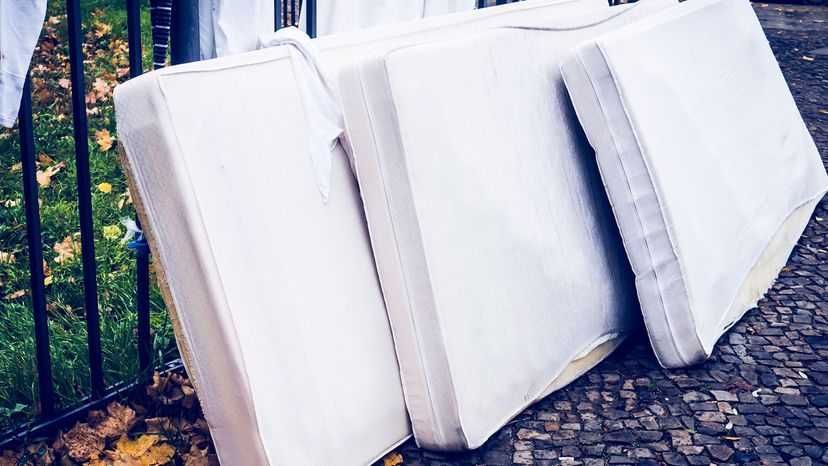
Big box stores often take the old one for free with the delivery. That is convenient. It is also wasteful. Twenty million mattresses end up in landfills every year in the U.S. alone. We need a better way to handle this bulky debris. You do not need to suffer through a sagging spring coil. You just need a creative disposal plan. Here is how to keep your old mattress out of the dump.
Зміст
Give It Away for Free
This is the easiest path. You might be surprised by the demand. Recent college grads? They need furniture. New parents? They need a guest bed. Post a message on Nextdoor or Freecycle. Put a sign in your apartment complex lobby. The list of potential recipients is long.
The key is pickup. Do not offer delivery. Make the new owner haul it away. If you want to be generous, clean it first. But honestly, unless you are selling it, the buyer usually handles the deep clean. Just be honest about stains and wear.
If no one wants it, check ByeByeMattress. They offer recycling locators to find facilities near you. You are not obligated to clean a mattress before giving it to a stranger. Let them deal with the sweat stains.
Sell It for Cash
Want to recoup a little money? You can sell a used mattress. But you must have it professionally cleaned. Expect to pay between $60 and $150 for this service. The price depends on the method used. Is it steam? Is it enzymatic? It adds up.
Once it is clean, post it on Craigslist or local buy-sell groups. Include clear photos. Show that it is free of stains. Write a detailed description. Mention the brand. Note the firmness level. State how much you originally paid for it. You will not get that money back. But it adds legitimacy. Buyers trust details.
Local second-hand shops might buy it too. Call ahead. Many places refuse used mattresses due to liability and hygiene rules. If they do buy it, great. If not, you still have your options.
Donate to Charity
Organizations like The Salvation Army or local Furniture Banks might accept your donation. There is a tax incentive here. You can claim the value as a deduction on your income taxes.
Conditions apply. The mattress must be free of stains. It must be in good repair. Goodwill, for instance, generally does not accept mattresses. Rules vary by state and by organization. You must call ahead. Do not just show up with a truck full of debris.
Ask about pickup services. Some charities offer free home pickup for large items. This saves you the hassle of disassembly and hauling. It is a win-win if they take it.
Recycle the Components
Recycling is complicated. Most standard recycling centers will not touch a mattress. They are not equipped for the mix of materials. You need a facility specifically designed for mattresses.
The good news is that over 75% of a mattress is recyclable. Steel springs, foam, fiber, and wood can all be processed. The bad news is that few facilities exist. Only a handful offer pickup. And almost all of them charge a fee. Expect to pay around $40.
If you want to find a recycler, check Earth911.com. You can search by ZIP code. You can also check ByeByeMattress again for a list of centers in the U.S. and Canada. Call first. Many centers do not accept mattresses from the general public. They only work with retailers or haulers.
Disassemble and Repurpose Parts
If you are handy, you can take the mattress apart. It is not as hard as it sounds. You get components that might actually be useful.
Sewists can salvage buttons or high-quality fabric. Crafters can use the stuffing for new pillows or to reupholster furniture. Carpenters might value the wood from the box spring or frame. Even the metal springs have uses. You can craft wine bottle holders or garden trellises.
“The problem with recycling mattresses is most recycling centers won’t take them. Only those specifically designed for mattresses will.”
This path requires labor. You need tools. You need to be willing to get dirty. But it keeps materials out of the landfill. It also gives you raw materials for DIY projects.
What happens next depends on your effort level. Giving it away is fast. Selling it pays off. Donating helps others. Recycling is responsible but costly. Disassembling is labor-intensive. Choose the method that fits your schedule and skills. The goal is the same. Keep that 20-million-mattress problem from growing larger. Just don’t leave your old one to rot in a landfill.
Shelter donation attempts fail? Try a different angle.
Homeless shelters, women’s refuges, and disaster relief centers often accept professionally cleaned mattresses. Churches are another route. They might take your clean mattress for missions serving families in need.
If you can’t find a local charity, hit up Donation Town. They connect you with organizations that will take the mattress. Sometimes they even arrange free pickup.
Pet Rescue Centers
Humans aren’t the only beneficiaries. Local animal shelters need bedding for rescued animals waiting for adoption. Doggy daycares too.
Call around.
Or get creative. Build an armchair. Animal shelters have requested these after a viral video showed a dog lounging on one. It’s comfortable. It lasts.
You still need to clean the mattress first. A professional clean matters. Shelters might tolerate a stain if you’re upfront about it. Ask if they’ll pick it up from your home. It’s free for them. Free for you.
Reuse For Kids
Backyard play.
If you have children, an old mattress makes a killer base for a jungle gym. It’s protective. It’s soft.
It’s also a cheaper alternative to that trampoline they’re begging for. Think back to the cardboard forts of your childhood. Your kids can do the same with a mattress. Imagination runs wild.
But don’t skip the cleaning. Body sweat. Dust mites. Invisible to the naked eye, yet capable of causing illness. Professional cleaning is non-negotiable here.
Composting
Mattress recycling is green. But composting is greener.
The wood frame? Repurpose it into a compost bin. The stuffing? Use it as a cover. It protects the pile from rain and keeps it warm. Heat accelerates decomposition.
You can use the foam or cotton as landscape fabric. Keeps weeds out. The springs? Bend them into trellises for climbing plants.
What Happens When A Mattress Gets Old
They get heavier. Skin cells. Sweat. Dust accumulate over years. Sagging mattresses cause back pain.
Disposal options? Donate to a shelter, charity, or pet rescue. Sell it. Recycle it. Reuse it for kids’ forts.
Are they recyclable? Yes. 85 to 95 percent of materials are recyclable. Yet most end up in landfills. Only specialized centers take them. Few offer pickup. Those that do charge.
Do homeless shelters take used mattresses? Some do. Like the Salvation Army. But the condition must be good. No stains. Call ahead. Verify their policy before you load up your truck.