Tell me the truth. Laundry rarely makes the list of “favorite activities”. Sure, some people find the rhythm of folding the sheets therapeutic, but for the majority it’s just a tick box. Like it or not, math is unforgiving. The average household processes around 400 loads per year. It requires a lot of fabric, water and electricity.
If floor space is a bottleneck, you may not need two stackable machines. You need a washer dryer combo. This unit, also called an all-in-one unit, does everything from washing to drying in one room. This is not a futuristic trick. This is a practical solution for anyone who has been staring at a closet the size of a coat rack and realized that it needs to last a full wash cycle.
Michael Lee, director of marketing for Thor Appliance Company, said that while these devices are not new to the market, their popularity has skyrocketed. Why? Because people are moving into smaller apartments, condos, and lofts. If you’re wondering if this setup really fits your home, you’re not alone. The short answer is yes, but you need to understand how these machines differ from standard standalone devices.
Зміст
Space-Saving Appliances for Urban Living
These machines have long been a staple in Europe and Asia, as square footage is a very valuable commodity in those regions. They are now making their way into American homes, especially those living in lofts, apartments, RVs, and large boats.
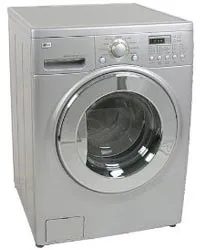
The physical footprint is the most important selling point. Most all-in-one washer-dryer combos are roughly the same size as a standard dishwasher. If you can install a dishwasher, you can probably install this appliance as well. This makes it ideal for kitchen corners, utility rooms or even bathrooms where plumbing is already installed.
But scale alone is only half the story. The internal mechanism of the Washer Dryer Combo is essentially different from the mechanism of a separate washing machine and dryer. In the traditional configuration, the clothes are washed in one drum and then transferred to another drum to be dried. This requires two different cycles, two motors and often two separate vents (for the tumble dryer).
All-in-one units consolidate this process. They use a single drum that alternates between washing and drying functions. This integration offers certain advantages, especially in terms of energy efficiency and convenience, but it also brings trade-offs that must be considered before purchasing.
Why choose an all-in-one machine?
For many homeowners, this decision comes down to practical constraints. If you live in an apartment building with strict ventilation regulations, you may not be able to install a standard electric or gas dryer. Most all-in-ones don’t have vents. It uses condensation or heat pump technology to dry clothes, so there is no need to drill holes in the wall for ventilation. This gives you placement options that stand-alone dryers don’t have.
The convenience factor is also important. You load dirty clothes, push a button and walk away. When the cycle is complete, you can take out the clean, dry laundry. There are no transfers. No second trip to the laundry room. For busy families or people with limited mobility, this streamlined process can really improve the quality of life.
however, “saving space” does not necessarily mean “saving effort”. The trade-offs are real. The drying time is usually

The market for all-in-one laundry appliances is divided into two distinct camps: vented and ventless. According to industry experts, your choice often depends on where you live and how you want it installed.
“We sell the vented versions primarily to the boat and RV market, but the non-vented version is most commonly used in apartment buildings and apartments,” says Thor Appliances’ Lee.
If you’re looking for an vented unit, it works just like a traditional tumble dryer combined with a regular tumble dryer. The washing cycle is well known. Pour the garment into water and detergent and wring out the excess water. The drying phase works differently than a regular tumble dryer. The machine takes in air from the surrounding room, heats it and blows it onto the rotating clothes.
This heated air absorbs moisture from the fabric and turns it into steam. The system then removes the moist air from the home through special vents. Fresh, cool air is brought in and the cycle repeats. This process requires an exhaust duct, making installation in existing homes more complicated.
How does a ventless condenser dryer work?
Ventless system No external vents are needed. “There’s really no difference in how you wash them; the main difference is drying,” explains Lee. “These machines use a condensing drying system that works as an dehumidifier.”
The mechanism here is more complex, but it is quieter and easier to install in spaces such as apartments. This is how the loop actually happens:
- Heating: Place the wet clothes inside the drum and heat the air at the same time.
- Dehumidification: As the drum rotates, the hot air absorbs moisture from damp clothes.
- Condensation: This moist air is forced into a cooling chamber made of plastic or metal. When the temperature drops, the water vapor turns back into liquid water, forming condensation.
- Drainage: Waste water exits the device through a standard drain pipe, similar to the one in a dishwasher.
- Recirculation: Dry hot air is returned to the drum to continue drying the clothes.
Repeat this cycle until the cycle is complete. ventless units are typically safer for indoor air quality because hot, humid air is not forced into living spaces and they do not require changes to the ductwork.
Flexible washing and drying programs
Whether you choose vented or non-vented, these combo units offer considerable programming flexibility. You don’t have to be tied down to one long cycle of washing and drying at the same time.
Most units allow:
* Wash only When you run the program, you can transfer your clothes to another dryer later.
* Run a dry-only cycle. Useful if you wash things by hand or use a laundromat.
* For gentle treatment, select a specific fabric care setting, such as Delicate.
* Use Time drying to precisely adjust the degree of drying.
Add Extra Rinse * for sensitive skin or heavily soiled skin.
Efficiency Concerns
When evaluating these machines, potential buyers often ask about energy consumption. The efficiency of a washer-dryer combination depends largely on the type you choose and the local climate. Vented units are faster, but can cause hot air to escape to the outside if not properly insulated. ventless units are generally more energy efficient because they recirculate heat, but they often take longer to complete a full cycle due to the condensing process.
Thank you Michael Lee, Director of Marketing, Thor Appliances
Weighing the trade-offs of washer-dryer combinations
Whether you choose a standalone piece or an all-in-one combination, it’s not just about aesthetics. This is a true calculation of space, time and utility. If you’re looking for a washer-dryer combo that fits a small space, the benefits are obvious. These units usually correspond to the dimensions of a standard dishwasher, so they can be installed under the counter. This is a game changer for smaller apartments and condos where floor space is at a premium. The vent-free design increases flexibility and enables the machine to be installed anywhere where there is a water connection and drainage without expensive external ventilation structures.
Time is another currency these machines use wisely. You can wash and dry your clothes in one continuous cycle. No crazy mid-cycle race to transfer wet clothes from washer to dryer. It also solves the classic problem of forgetting to do laundry. You don’t have to deal with the sour, musty smell of wet clothes in a tumbler because the process handles both steps automatically.
Energy efficiency is often better than you think. The wash phase mimics a front loader and uses significantly less water than a traditional top loader. Less water means less energy for heating. In addition, front loaders spin faster and absorb more moisture before the drying cycle begins. This lead reduces the total energy requirement of the drying phase.
The Hidden Costs: Capacity and Time
There is a catch. Saving space often comes at the expense of capacity. Combination units can rarely handle the same load as a two-machine system. The maximum payload for these combinations is typically 6-10 pounds. If you have a large family or regularly wash heavy bedding, you may have to run several small cycles, wasting the time you saved.
Patience is required. A complete washing and drying cycle can take 2-3 hours. Independent dryers fill a load in 30–45 minutes. If you are in a rush, the combo unit will feel sluggish. We strive for comfort and compactness in exchange for immediacy.
How Ventless Systems Actually Work
Understanding the mechanics helps manage expectations. The washing function is the same as other front loaders. The difference is entirely in the drying process. There are no ducts to the outside, so the machine’s own air is reused.
Hot air is blown into wet clothes. The drum rotates and the heated air absorbs moisture from the fabrics. Moist air is drawn into the condensation chamber. Here the air cools and the water vapor turns back into liquid water. This condensate is removed through standard household water pipes and the dry air is reheated and recycled to the drum. This is a closed loop.
Addressing Mold and Humidity Concerns
Can recirculating moisture cause mold? It can happen if you don’t manage your environment. This device removes warm, moist air (even though much of the air is condensed), which increases humidity around small, closed washrooms and bathrooms. If there is not enough ventilation or light in the room, moisture can become a breeding ground for mold.
To prevent this, make sure there is air circulation in the laundry area. Do not close the machine completely to prevent the heat from escaping. Regular wiping of the door seals and an empty cleaning cycle help keep the interior fresh. The technology is sound; All it takes is a little environmental awareness.
Final Verdict
washer dryer combo are not a one-size-fits-all solution. It is a special tool for certain life situations. If your living space is small, there is a lack venting options, or if you prefer smaller loads for laundry, we recommend using a separate unit.
For more information on home appliances and DIY maintenance, check out the resources on the following pages.
Washer Dryer Combo FAQ
**Are combo washer dryers any good?
Yes, it is possible, especially in a compact living environment. They have gained popularity in condos and apartments where space is tight. The main attraction is the ease of one-time washing and drying without human intervention.
Are ventless washer dryers good?
Suitable when you need to dry clothes indoors without installing a ventilation opening. In addition to being easy to install, it offers a versatile program. You can run the entire wash-dry cycle or select specific settings for just washing or just drying.
How does a ventless washer-dryer work?
Washing is standard. The drying method is different. The unit uses a condenser. The heated air absorbs moisture from the clothes and passes through the cooling chamber, where the moisture turns into water and is removed. Dry air is recirculated. No external vents are needed.
Do ventless dryers cause mold?
It is possible if the surrounding rooms have poor ventilation. This process releases some moisture. If your laundry area is tight and stagnant, moisture can lead to mold growth. To reduce this risk, make sure the space is ventilated.