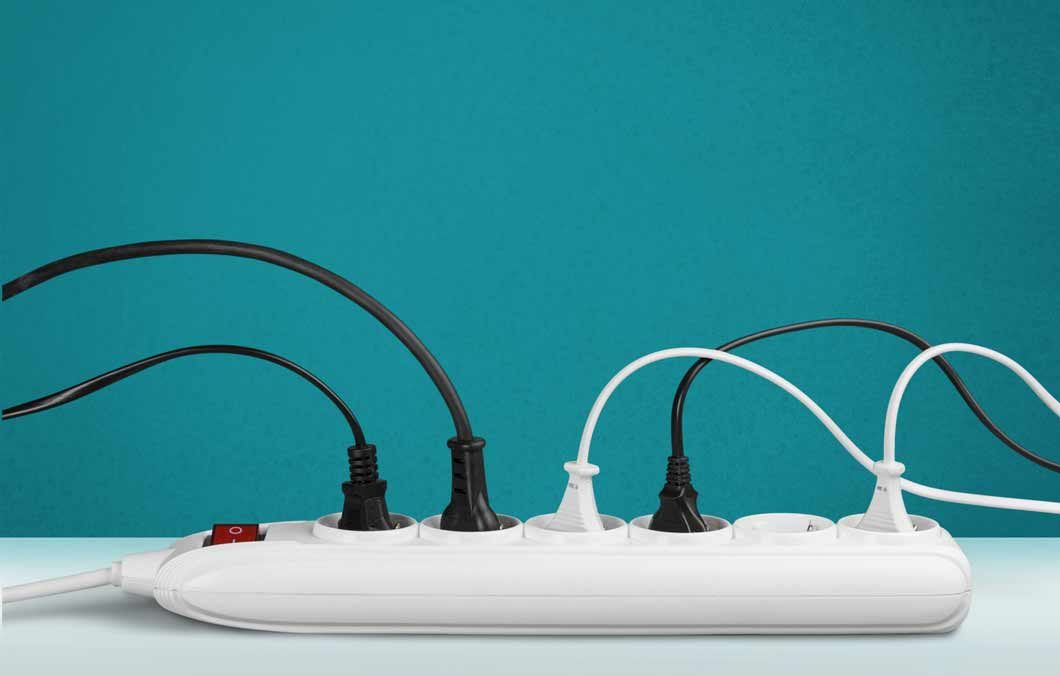
You walk into any room. Maybe it’s a rental apartment with those tiny, outdated outlets. Maybe it’s a sprawling suburban house where the family gathers. There is never enough power. The problem is universal. You buy a power strip. You plug it in. Suddenly, you have five, six, maybe eight sockets. It feels like a solution. It feels like freedom.
It isn’t always.
There is a quiet danger in assuming that every electronic device can share a single cable. You think the power strip is just an extension of the wall. It is not. It is a bottleneck. And for certain heavy-duty appliances, that bottleneck is a fire hazard waiting to happen.
We need to talk about which devices must stay plugged directly into the wall outlet. Not because they are fancy. But because they draw too much power. Because they generate heat. Because the small plastic casing of a cheap strip cannot handle the amperage.
Зміст
The Heat Factor
Heat is the enemy of electrical safety. When an appliance pulls significant current, resistance creates warmth. Power strips have thin internal wires. They have limited surface area to dissipate that heat. If you overload them, the plastic melts. The contacts loosen. Sparks fly.
This is not theoretical. This is physics. And it is why some devices are strictly forbidden from using extension cords or power bars.
1. Space Heaters
Let’s start with the obvious. The space heater. You buy one for the cold winter nights. It provides cozy warmth. It draws a massive amount of electricity, often between 1,500 and 2,000 watts.
Never plug a space heater into a power strip.
The risk is immediate. The cord can overheat. The strip can catch fire. Manufacturers explicitly warn against this in their manuals. They want you to plug it directly into a dedicated wall outlet. If your room doesn’t have enough outlets, install more. Do not compromise with a strip. The cost of a new outlet is nothing compared to the cost of a house fire.
2. Microwaves
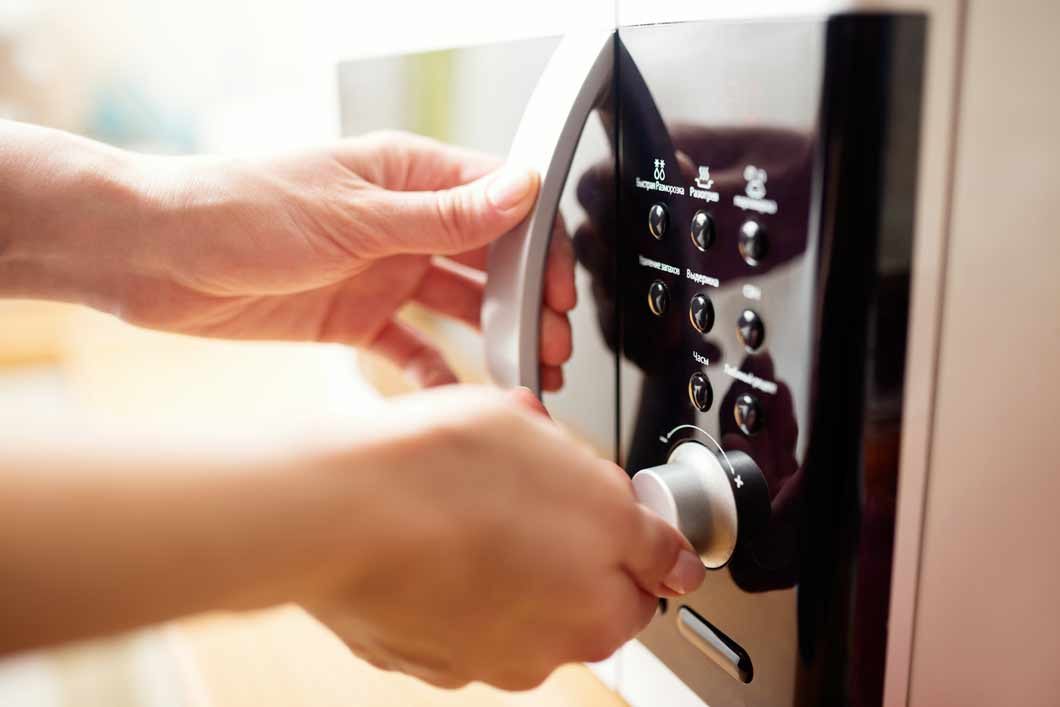
The microwave is a kitchen staple. It cooks food quickly. It uses high-frequency waves. And it draws a lot of power, especially when running the compressor in combination models or just heating up a large meal.
Plug a microwave into a standard power strip and you are asking for trouble. The surge in power when the magnetron kicks in can trip the strip’s internal breaker. Or worse, it can cause the strip to fail silently until it’s too late.
Why it matters: Microwaves often have high start-up currents. A power strip may not be rated for that initial surge. Keep it plugged directly into the wall. Ideally, a dedicated circuit for the kitchen counters.
3. Refrigerators and Freezers
Your fridge runs 24/7. It has a compressor. It cycles on and off. It draws steady power, but the motor startup creates a spike.
If you plug a refrigerator into a power strip, you are introducing a weak link into a critical system. If the strip fails, your food spoils. But more importantly, the electrical connection can degrade over time. The plug may not fit snugly. Arcing can occur. Heat builds up.
The rule: Major appliances with motors or
High-Draw Appliances and Dedicated Outlets
Big appliances like fridges and freezers are energy hogs. They cycle on and off, pulling spikes of power that can easily overload a standard power strip. Don’t risk a fire or a tripped breaker. Always plug these directly into a wall outlet. No adapters. No extension cords. Just the wall.
Microwave Safety and Circuit Load
Microwaves draw significant current when heating food. Pairing one with a toaster or coffee maker on the same circuit is a recipe for disaster. Use a dedicated outlet if possible. Check your panel. Ensure the breaker can handle the load before plugging in high-wattage devices.

The Toaster’s Insatiable Appetite
We treat toasters like background characters in the kitchen. They sit on the counter, mostly idle, waiting for bread. But the moment that lever drops, they draw a massive surge. You might assume a standard outlet handles it fine. It doesn’t.
A toaster is essentially a high-resistance heating element. When you push down that lever, you are closing a circuit that runs hot, fast, and hard. The power draw spikes instantly. If you plug it into a daisy-chained power strip or share a wall socket with a blender, you are playing roulette with your home’s wiring.
Why does this matter? Because cheap extension cords and overloaded strips have resistance. High-resistance heating appliances generate heat themselves. Now you have heat from the toaster and heat from the overloaded cable. That is a recipe for melted plastic. Or worse.
Most modern toasters ask for between 800 to 1500 watts. A typical wall outlet is rated for 1800 watts (in a 15-amp circuit). Plug a toaster in there alone? You are safe. Plug in a toaster and a coffee maker and a microwave? The breaker trips. Or the wires glow orange.
There is no “smart” way around this. You cannot software-update a toaster to use less power. It is physical resistance. So, give it its own dedicated path to the outlet. No adapters. No splitters. Just the plug and the wall.
It is not about being cautious. It is about physics. Electricity wants to flow the path of least resistance. If you force it through a weak point, that weak point fails. Usually in a puff of smoke.
So when you reach for that handle, look behind the appliance. Is it plugged directly into the wall? If not, move it. Your morning croissant is worth the effort.
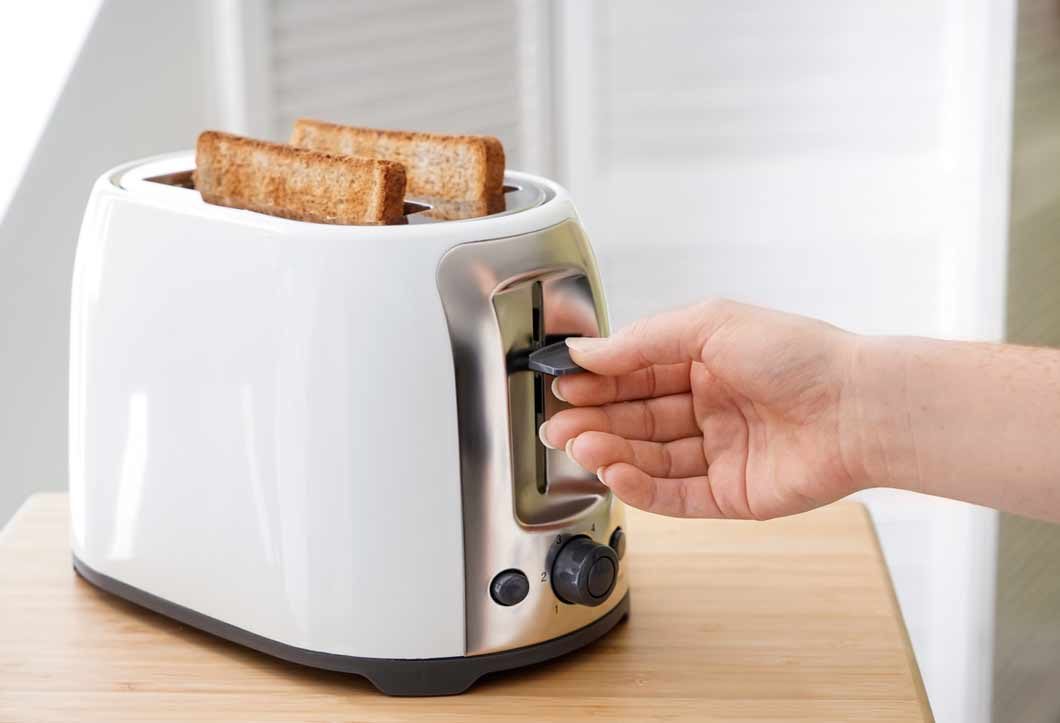

Toasters fall into that annoying category of morning essentials. They are incredibly useful, but they absolutely cannot share power with other devices. If you’ve ever taken apart an old toaster, you know the interior isn’t complicated. It’s mostly just heating elements that get scorching hot to brown your bread. That heat requires a massive surge of electricity. Plug a toaster into a strip, and you’re playing Russian roulette with your home’s wiring. You risk a power surge. You risk melting the plastic.
Raclette makers and waffle irons do the exact same thing. High heat demands high amperage. Standard power strips aren’t built to handle that kind of sustained load.
The Autonomy Trap with Multicookers
You might think it’s safe to plug your multicooker into a surge protector while you go check on the kids or answer the door. This is a dangerous assumption. These devices, often marketed as “set it and forget it” solutions, draw significant power to maintain their internal temperatures.
The maximum wattage allowed on a typical extension cord is easily exceeded here. But the real danger isn’t just the wire heating up. It’s the unsupervised nature of the appliance. You walk away. The device runs on high for hours. If a fault occurs, or if the cord is pinched under the heavy unit, nobody is there to unplug it.
Plug high-wattage cooking appliances directly into a wall outlet to minimize fire risks.
Always prioritize safety over convenience. The effort of moving a cord three feet to a dedicated wall socket is nothing compared to the cost of a kitchen fire.
Hair Tools and Water Risks
Salon-quality results usually come with a heavy electrical price tag. Curling wands, flat irons, and hair dryers are no exceptions. These tools heat up metal plates or coils to temperatures that can singe hair in seconds. They consume a lot of energy.
Never plug these into a power strip. The connection points in a strip are loose compared to a tight wall socket. Loose connections create resistance. Resistance creates heat. You now have a hot plug in a strip, near your vanity.
There is another layer to this risk. Water.
Most people style their hair near a sink or a bathroom mirror. If a curling iron leaks current into a wet surface, or if you drop a hot tool into a basin of water, the consequences are severe. Plug hair tools into a wall outlet that is far removed from any water source. Keep the electricity away from the moisture.
Portable Heaters and Air Conditioners
The logic holds up for temperature control devices too. Portable space heaters and window or portable air conditioning units are power hogs. They are designed to move air and change temperatures, a process that requires consistent, heavy electrical draw.
When the outside temperature drops or spikes, these units run at capacity for long stretches. A power strip will overheat. The internal fuses may blow, or worse, the cord insulation may degrade and ignite.
These aren’t just appliances that need a little boost. They are the main event of your electrical load. Treat them like heavy machinery. Give them their own dedicated line. Your safety depends on it.
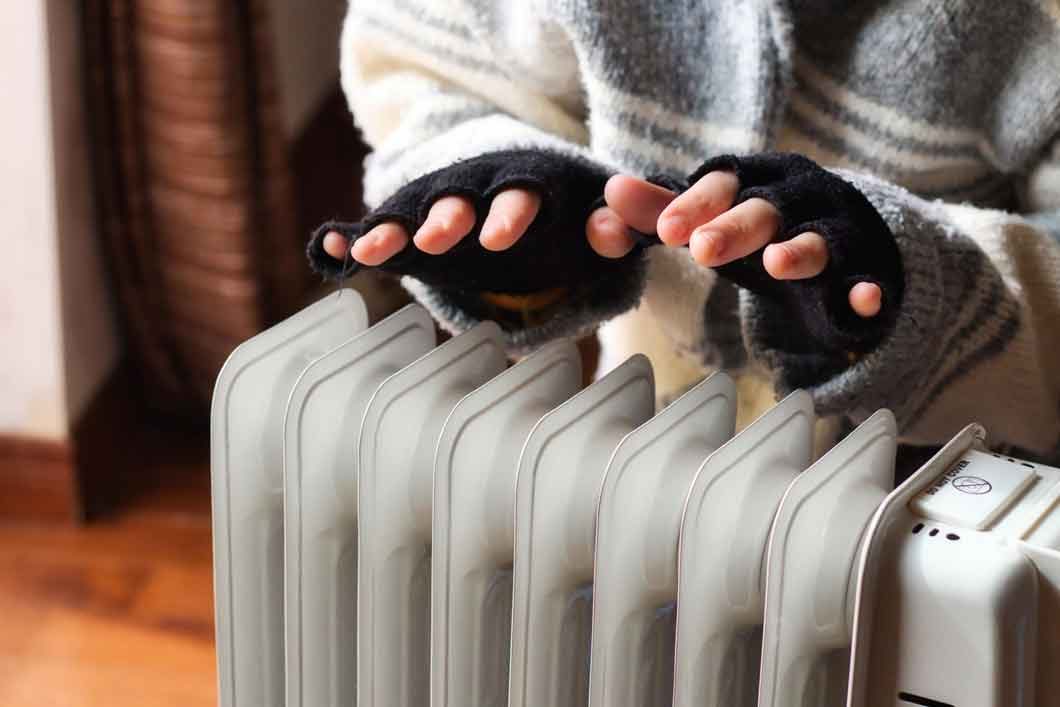
Let’s get one thing straight. Power strips are convenient. They are also not designed to handle the heavy lifting. When you plug high-draw appliances into a strip, you are playing roulette with your circuit. The strip overheats. The breaker trips. Or worse, wires melt and start a fire. The rule is simple. If it’s big, heavy, or wet, plug it directly into the wall.
Heaters and AC Units
Portable space heaters and window air conditioning units suck power. A lot of it. They draw significant current to move heat around. A standard power strip will choke on this load. It will get hot. Fast.
This isn’t just about the strip breaking. It’s about the outlet backing up. These units must go into a dedicated wall outlet. Always. No adapters. No daisy-chaining. Just the appliance and the wall.
8. The Washer and Dryer
Washing machines and dryers are energy hogs. Especially the dryer. The heating element alone can draw massive current. Plugging either into a multi-outlet strip is a bad idea. The risk of overload is too high.
Safety dictates direct connection. Use a wall outlet. Ideally, one that is rated for the specific amperage required by your unit. Check your manual. Don’t guess.
9. Sump Pumps
Basement flooding is a nightmare. A sump pump is your first line of defense. It pumps water out of the pit and away from your foundation. But it cannot run off a power strip.
First, the environment. Sump pumps operate in damp, wet conditions. Most power strips are not rated for wet locations. Plugging a wet-prone device into a dry-area strip is a recipe for shock or short circuit.
Second, the power spike. These pumps are powerful. They demand steady, high-current flow. A strip will sag under the load.
Install the outlet high up on the wall. Above potential flood levels. This keeps the connection dry. It also keeps it safe from accidental water contact. Use a dedicated, GFCI-protected outlet if possible.
10. Air Compressors
DIYers love air compressors. They drive nails. They inflate tires. They power sprayers. But those motors draw a huge surge of current when they start. That initial kick is what trips breakers and melts strip components.
Avoid the risk. Plug the compressor directly into a wall outlet. If you need more reach, use an industrial-grade extension cord rated for the amperage. Not a flimsy multi-plug adapter.
11. Another Power Strip
It sounds silly. But plugging a power strip into another power strip is a major safety violation. It’s called daisy-chaining. And it’s dangerous.
The first strip handles the load. The second strip adds resistance. Heat builds. Insulation fails. Fire starts.
If you need more outlets, install more wall outlets. Or use a power strip with a higher amperage rating and plug it directly into the wall. Never stack them. Never cascade them.
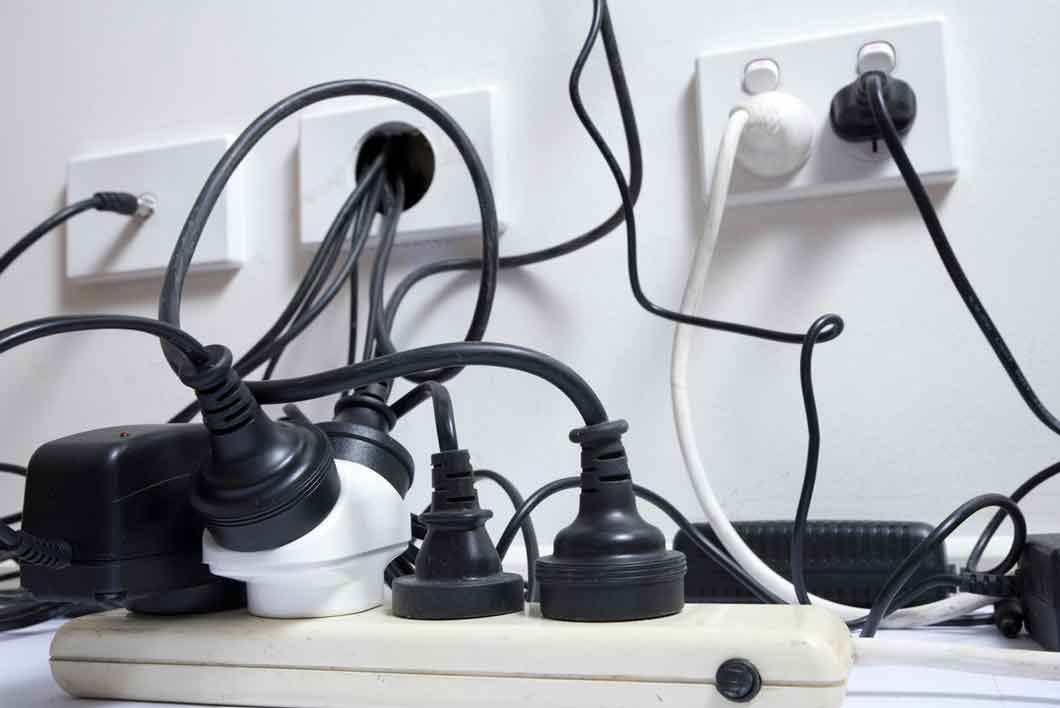

Never stack power strips. It is a common mistake, but plugging one extension cord into another—or a power strip into a power strip—creates a cascading overload. You are bypassing the built-in safety limits designed to protect your circuit. The result isn’t just a tripped breaker. It is a genuine risk of electrocution or an electrical fire.
The danger lies in the math. Each strip has a maximum amperage rating. When you daisy-chain them, you aren’t just adding outlets. You are multiplying the load on a single circuit without increasing its capacity. Avoid using extension cords with power strips entirely. If you are out of sockets, unplug an unused device before plugging in a new one. There is no shortcut here.
Does home insurance cover electrical damage from misuse?
Overloading outlets is not just a safety hazard; it is an insurance liability. If a fire starts because you stacked power strips, your policy might not pay out. Standard home insurance often includes coverage for electrical damage, but the fine print matters.
Some insurers require proof of prevention. They may demand that you use certified surge protectors or that you have installed proper circuit breakers to qualify for coverage. If you ignored the wattage limits and caused a surge, your claim could be denied for negligence. Check your specific policy terms. Do not assume you are covered.
How to prevent overload and fire hazards
To keep your home safe, match your appliances to the strip’s capacity. Look for the label on the device. It lists the maximum wattage (W) or amperage (A). Do not exceed this number.
- 15 tips for reducing electricity consumption
- At what height should you install an electrical outlet?
- Washing machine: 15 things never to put inside
- How to test an electrical wire?
- Electrical panel making noise: what to do?
- Which outlet to choose for connecting an oven?