


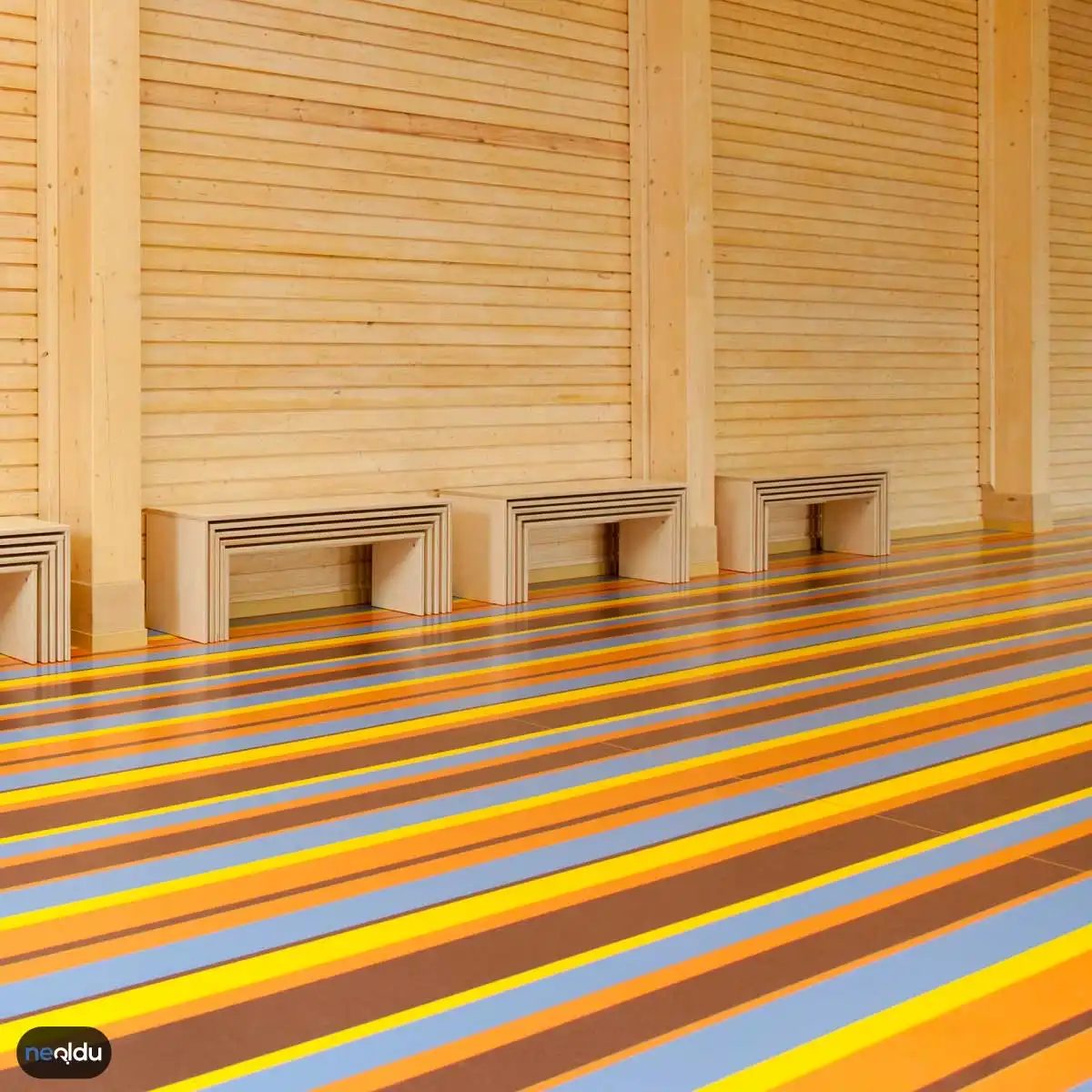
Stop looking at your floor as just a surface. Start seeing it as the biggest statement piece in the room.
Colored floors are no longer a niche choice. They have exploded in popularity. We used to think floors had to be beige, gray, or simple wood tones. That’s old news. Now, we’re slapping bold pigments and intricate patterns onto our feet. It’s not just about walking; it’s about living in color.
This shift isn’t random. It’s a reaction to boring, monotonous spaces. We want energy. We want character. We want our homes to feel alive.
Зміст
The Rise of Vibrant Flooring
Think about the last time you walked into a room with a stark white or light gray floor. It feels safe. It feels sterile.
Now imagine a deep navy blue. Or a vibrant terracotta. Or a geometric black-and-white mosaic. Suddenly, the room has gravity. It has a voice.
“Colored floors add an extraordinary atmosphere and style, turning a functional space into a canvas for creative expression.”
This trend does more than just look good. It serves a purpose. It breaks up large spaces. It creates zones. You can use color to define a dining area without building a wall. You can use a different hue to signal a shift from work space to relaxation zone.
Why does this work? Because our eyes are drawn to contrast. A dark floor grounds a light room. A bright floor lifts a dark room. It’s visual trickery, and it’s powerful.
More Than Just Aesthetics
Let’s talk about space. Contrary to what some designers might say, dark or bold floors don’t necessarily shrink a room. If used correctly, they can make a space feel more intimate and defined. But light, vibrant colors? They bounce light. They make a small entryway feel like a grand foyer.
It’s about control. You control the mood. You control the perception of depth.
Consider the functional aspect. In an open-concept home, color acts as a silent divider. Paint the kitchen floor a cool blue. Keep the living area floor a warm white. The transition is clear. No furniture needed. No rugs to trip over. Just pure, visual separation.
This is where DIY potential kicks in. You don’t need a contractor to change your floor’s personality. You need paint, stain, or tiles in a color you love. You need a plan. And you need to be willing to take a risk.

Why Neutral Floors Are Out and Bold Colors Are In
The era of beige boredom is officially over. You look around modern homes and notice a shift. The floors are no longer just a blank canvas. They are the statement. This isn’t just a fleeting trend. It is a reaction against the sterile, cookie-cutter look of the last decade. Homeowners are tired of the safe route. They want floors that scream personality.
This move toward vibrant flooring is about more than aesthetics. It is about identity. Your floor touches your feet every day. It grounds the room. When you choose a bold color, you are defining the energy of the space. Geometric patterns. Abstract shapes. Textured surfaces. These elements add depth that flat white tiles simply cannot match. The room gains movement. It feels alive.
How Color Dictates Room Atmosphere
You are not painting a wall. You are covering the foundation of the room. The color of your floor will dictate the mood of every ceiling above it.
Take the living room. If you want energy, go bold. Deep reds or burnt oranges create a warm, inviting hub for conversation. It makes the space feel social. Now look at the kitchen. Green or blue tones introduce a sense of freshness. They make the workspace feel cleaner and more airy.
Then there is the bedroom. Here, the goal shifts. You want calm. Pastel hues or natural wood grains with subtle tinting work best. They lower the heart rate. They signal rest.
“Colored floors are a tool for psychological zoning within a single home.”
The Practical Side of Going Bold
Choosing a color is easy. Sticking with it is harder. You need to consider durability. Matte finishes hide scratches better than high-gloss. Large format tiles reduce grout lines, making bold colors look more cohesive. If you are DIY-ing this, measure twice.
Consider the lighting. Dark colors absorb light. They can make a small room feel cavernous unless you have large windows. Light colors reflect it. But don’t let that keep you from the color you love. Adjust the lighting fixtures. Add mirrors. Balance the space.
The key is intention. Don’t pick a color because it is trendy. Pick it because it resonates with how you want to live in the space. Once that floor is down, it is not going anywhere. Make it count.
Let’s be honest. Most homeowners play it safe. White oak. Beige tile. Neutral gray laminate. It’s easy. It’s boring. And frankly, it makes every house look like every other house.
But what if your floor was the anchor? Not just a surface you walk on, but the first thing people notice when they step through the door.
Colorful floors are no longer a niche trend. They are a deliberate design choice that adds depth, character, and a serious punch of personality to any room. And no, you don’t have to paint your entire living room pink to make it work.
Here is why you should stop fearing color on your feet.
The Visual Weight of Color
We are conditioned to think of floors as background noise. But in interior design, the floor carries weight. Literally and visually.
When you introduce color, you change the geometry of the space.
Take a small, narrow hallway. It feels cramped. It feels like a tunnel. Now, imagine laying down a wide-plank floor in a deep navy or a rich forest green. Suddenly, that tunnel has boundaries. It has intention. The eye follows the lines of the planks, not the walls.
In larger, high-ceilinged rooms, the opposite happens. A bold, warm-colored floor—think terracotta or burnt orange—pulls the space down. It creates intimacy. It makes a cavernous living room feel like a cozy den.
“Colorful floors create a focal point that defines the room’s character from the moment you enter.”
Energy and Mood Setting
You are walking on this thing for eight hours a day. Why not make it affect your mood?
Neutral floors are passive. They don’t ask for anything. A colorful floor demands attention. It sets a tone.
- Bright, energetic hues (mustard, coral, sky blue) in a kitchen or home office can spark creativity. They are waking up.
- Deep, saturated tones (emerald, plum, charcoal) in a bedroom or study can slow you down. They are calming.
It’s about psychology. You want your living room to feel dynamic for dinner parties? Go bold. You want your bedroom to feel like a sanctuary? Go moody. The floor is your canvas.
Matching Style, Not Just Color
This is where DIYers often get stuck. They pick a color but ignore the pattern. The pattern does the heavy lifting.
If you are going for modern minimalist, a geometric pattern in black and white or a solid, stark red works. The lines are clean. The message is sharp.
For boho or ethnic vibes, you need texture and complexity. Think intricate rugs layered over wood, or wood planks stained in varying earth tones. The goal here is warmth and history.
For traditional or vintage styles, consider parquet in a herringbone pattern stained a rich walnut. Or even a painted encaustic-style tile if you’re in a bathroom.
The key is alignment. Don’t throw a neon checkerboard into a Victorian parlor. Don’t put a subtle gray herringbone in a ultra-modern, angular loft. Match the energy.
The Practical Side (Because You’re Probably Doing This Yourself)
Here is the reality check
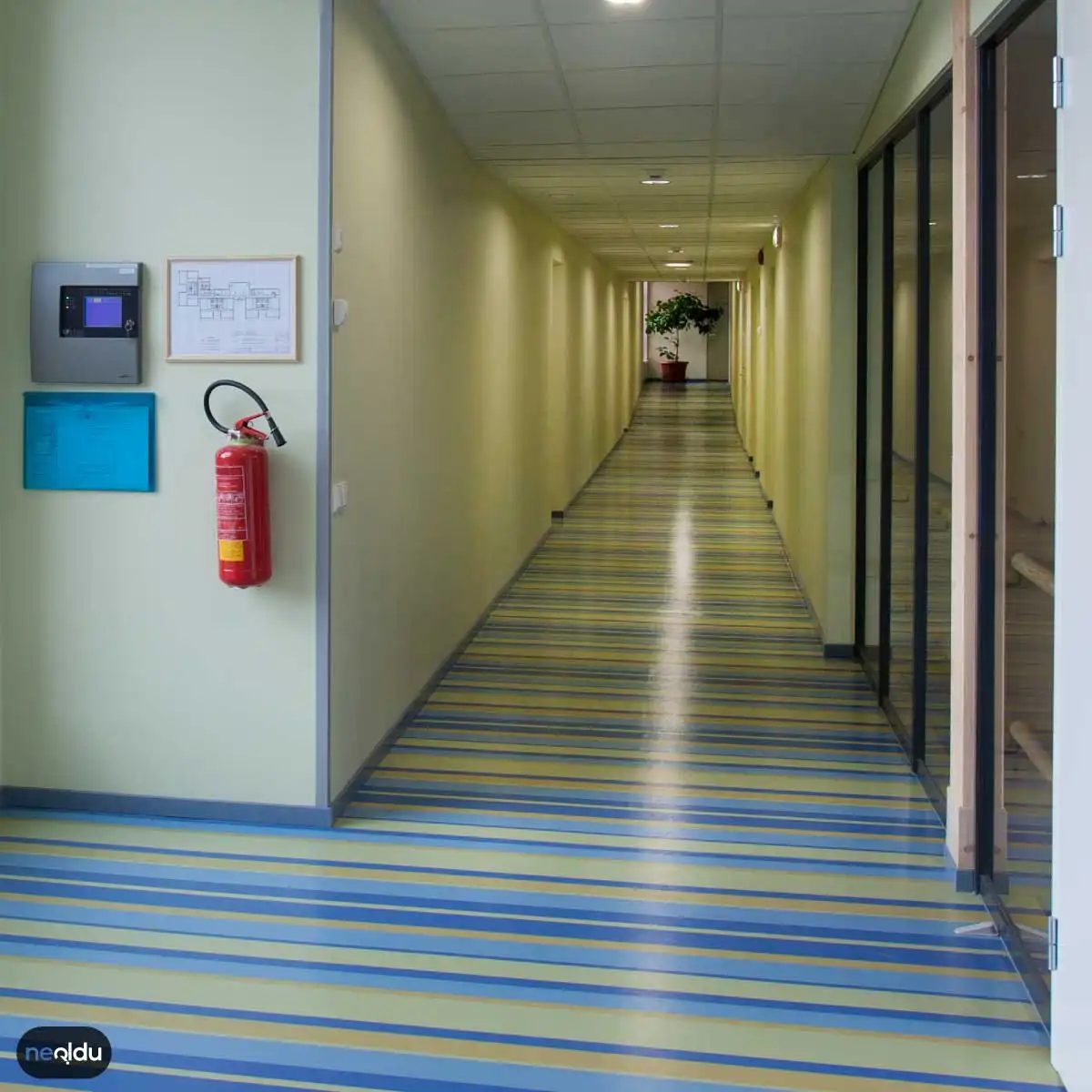
Why Neutral Floors Are Losing the Battle for Attention
Most homeowners stick to beige, gray, or natural wood. Safe choices. Predictable. But if you want a space that actually feels like yours, stepping away from the boring palette changes everything. Colored floors are not just a trend. They are a structural decision that defines how a room functions and feels.
The shift toward vibrant surfaces is practical as much as it is aesthetic. It is about control. You control the light. You control the flow. You control the mood.
Injecting Soul Into Sterile Spaces
Nostalgia plays a big role here. We have been conditioned to believe that floors should disappear into the background. They shouldn’t. A floor is the largest surface area in most rooms. Ignoring it is a missed opportunity for personality.
“Colored floors provide a unique canvas for self-expression, moving beyond generic design templates.”
When you choose a bold hue, you are rejecting the “model home” look. You are opting for character. It allows for an original, personal touch that neutral tones simply cannot replicate.
Breaking the Monotony
Stagnant air. Stillness. These are the enemies of good design. Bright, lively colors introduce dynamism. They add energy to a room that might otherwise feel dead.
Think about a room that feels too quiet. Too empty. A splash of color on the ground instantly wakes it up. It creates a positive atmosphere. It forces the eye to move. It breaks the monotony of white walls and matching furniture.
Creating Visual Anchors
A colored floor acts as a visual anchor. It grabs attention. It becomes the focal point of the space.
This is not about chaos. It is about hierarchy. By introducing a striking color or pattern on the ground, you make the room visually arresting. This boldness can then be coordinated with other decor elements. Lighting. Textiles. Art. The floor sets the tone for everything else in the room.
Zoning Without Walls
Structural walls are expensive. They take up space. They block light. Colored floors offer a smarter solution for open-plan living.
You do not need a doorway to separate areas. You just need a change in color.
- Define a sitting area with a lighter, softer shade.
- Delineate a dining zone with a darker, more grounded hue.
This visual separation helps the brain understand function without physical barriers. It organizes the chaos of an open layout. It creates distinct zones for eating, working, or relaxing within a single square footage.
The Illusion of Space
Here is the counterintuitive part. Dark colors usually shrink a room. But colored floors, when used correctly, can expand a space.
It depends on the tone and the light. Light, airy colors with the right illumination make a room feel breathable. It feels wider. It feels more open.
This is critical for small apartments or narrow hallways. A well-chosen light-colored floor can trick the eye into perceiving more square footage than actually exists. It adds volume. It reduces the feeling of confinement.
Moving From Theory To Application
Understanding the benefits is one thing. Applying them requires precision. You cannot just paint the floor and hope for the best. The materials matter. The preparation matters. The long-term maintenance matters.
The creative applications of colored floors
Mixing Patterns for Visual Energy
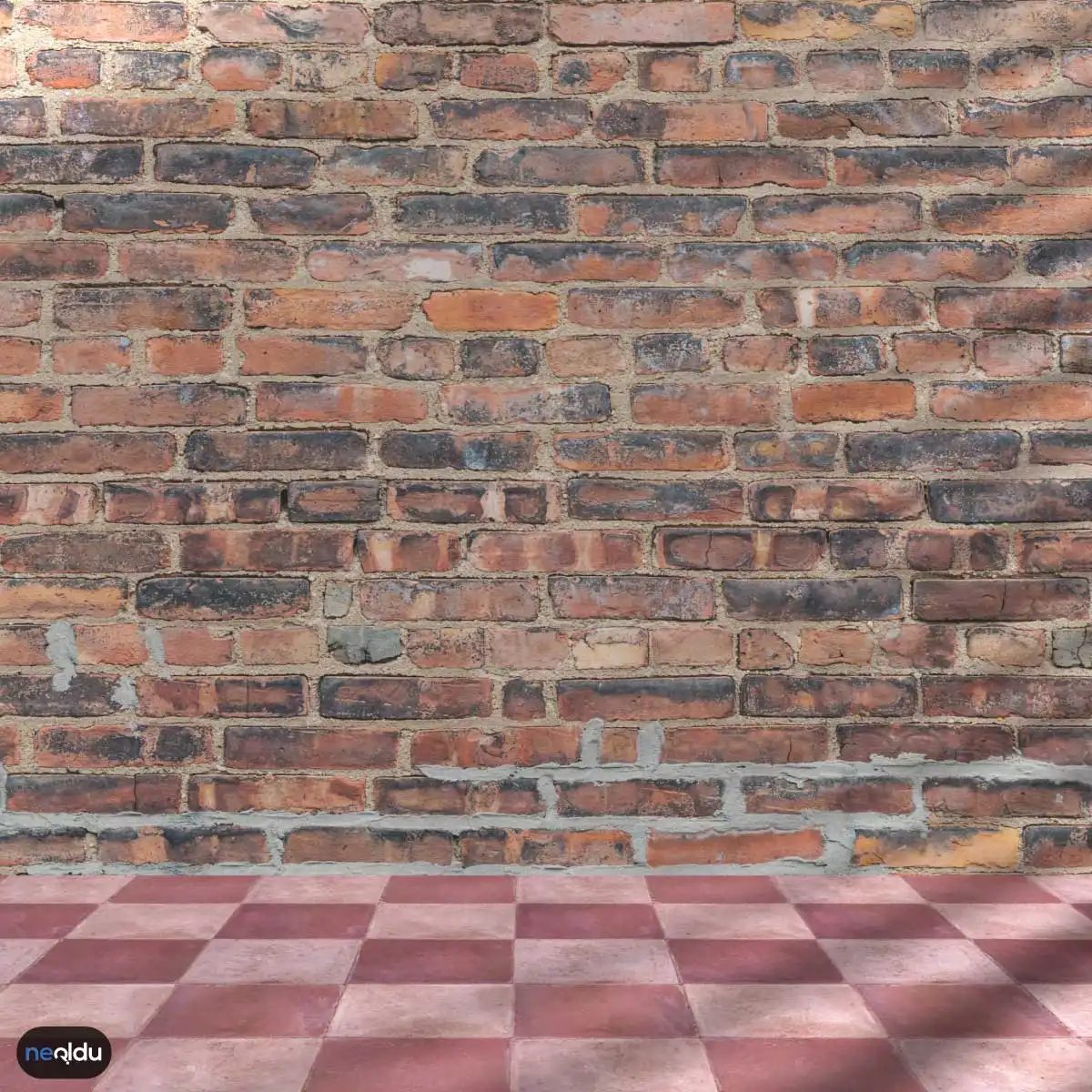
Skipping plain floors? Good. Adding patterns injects dynamism into any space. You aren’t limited to just one style. Geometric shapes work well. Floral motifs bring softness. Abstract forms add edge. The trick lies in the contrast. Pair busy floor patterns with neutral furniture. Keep walls simple. Let the floor be the anchor. Without that balance, the room feels chaotic. With it, the design breathes.
Using Color Blocking
Zoning a room requires more than rugs. Use color blocking on the floor itself. Apply a distinct block of color to a specific area. It creates visual separation. Think of an open-plan living space. A dark wood-look block under the dining table defines the zone. The rest of the floor stays light. This draws the eye. It organizes the chaos of daily life without physical barriers.
Gradient Techniques for Depth
Soft transitions feel luxurious. Gradient effects blend one hue into another. This technique adds depth. It avoids the hard line of a color change. Use a roller or specialized stain for vinyl and laminate. The result is a smooth, artistic flow. It suits modern interiors best. Avoid this in highly trafficked hallways if maintenance is a concern. Dust shows up easier on complex gradients.
Mosaic-Style Tiling
Bathrooms and kitchens demand durability. They also need character. Patterned tiles offer both. Mix different colors and designs. Create a mosaic effect. This works particularly well in wet areas. Choose porcelain or ceramic for water resistance. Grout lines add structure. They also make cleaning easier—you can see what needs scrubbing. Just seal the grout regularly to prevent staining.
Colored Wood-Look Vinyl
Real wood is expensive. Colored wood-look vinyl is practical. It mimics the grain of natural timber. But you get bold hues. Think teal planks or grey-washed oak. This option suits rustic and modern styles alike. It’s warm to the touch. And it’s water-resistant. Install it as a floating floor for easy DIY. You’ll need a good underlayment. And a sharp utility knife for cutting.
Placement Strategies
Where do colored floors work best? Everywhere. Living rooms, bedrooms, kitchens, bathrooms, even home offices. The key is intent. In a bedroom, a deep blue floor can feel cozy. In a kitchen, a vibrant pattern can distract from wear and tear. In an office, a solid, calm tone might reduce eye strain. Choose based on the room’s function.
Integrating with Decor
Do they fit your existing decor? Yes, but you must plan. The floor sets the stage. Other elements should support it, not fight it. If your floor is loud, keep the sofa neutral. If the floor is subtle, add colorful cushions. Test samples against your paint swatches. Lighting changes everything. A bright red floor looks different at noon than it does under candlelight.
Small Spaces and Color
Can you use bold colors in tiny rooms? Yes. But proceed with caution. Dark, busy patterns can shrink a space further. Light, solid colors expand it. If you insist on a colored floor in a small room, go for lighter shades. Keep other decor minimalist. Let the floor be the only statement. Otherwise, you’ll feel cramped.
Maintenance Realities
Are they hard to clean? It depends. Bright white floors show every speck of dust. Dark floors show every drop of water. Mid-tone colors hide dirt better. Most colored surfaces require regular sweeping. Mopping should be done with pH-neutral cleaners. Harsh chemicals can fade the color or damage the finish. Follow the manufacturer’s guide. Stick to it. Your floor will last longer.
The Bottom Line
Why go with colored floors? Personality. Energy. Visual separation. They break the monotony of standard beige or grey. They make a statement. They define spaces without walls. Just ensure your maintenance routine matches your lifestyle. A high-maintenance artistic floor isn’t worth it if you hate cleaning. Pick a style that fits your habits.


