


Зміст
Why Pillow Design Trends Matter More Than You Think
You know that feeling when you walk into a room and something just clicks? It’s not the paint color. It’s not the furniture layout. It’s the pillows.
Pillow design trends have evolved far beyond simple accent pieces. They are texture, color, and character rolled into one. If you are looking to update your space without a full renovation, this is where you start.
The Roots of Cushion Styling
This isn’t a new fad. Pillows have a history that stretches back to ancient civilizations. What changed? The modern interpretation. Today, a well-styled sofa tells you who lives there. A single generic throw pillow says nothing. A curated mix of patterns and fabrics speaks volumes.
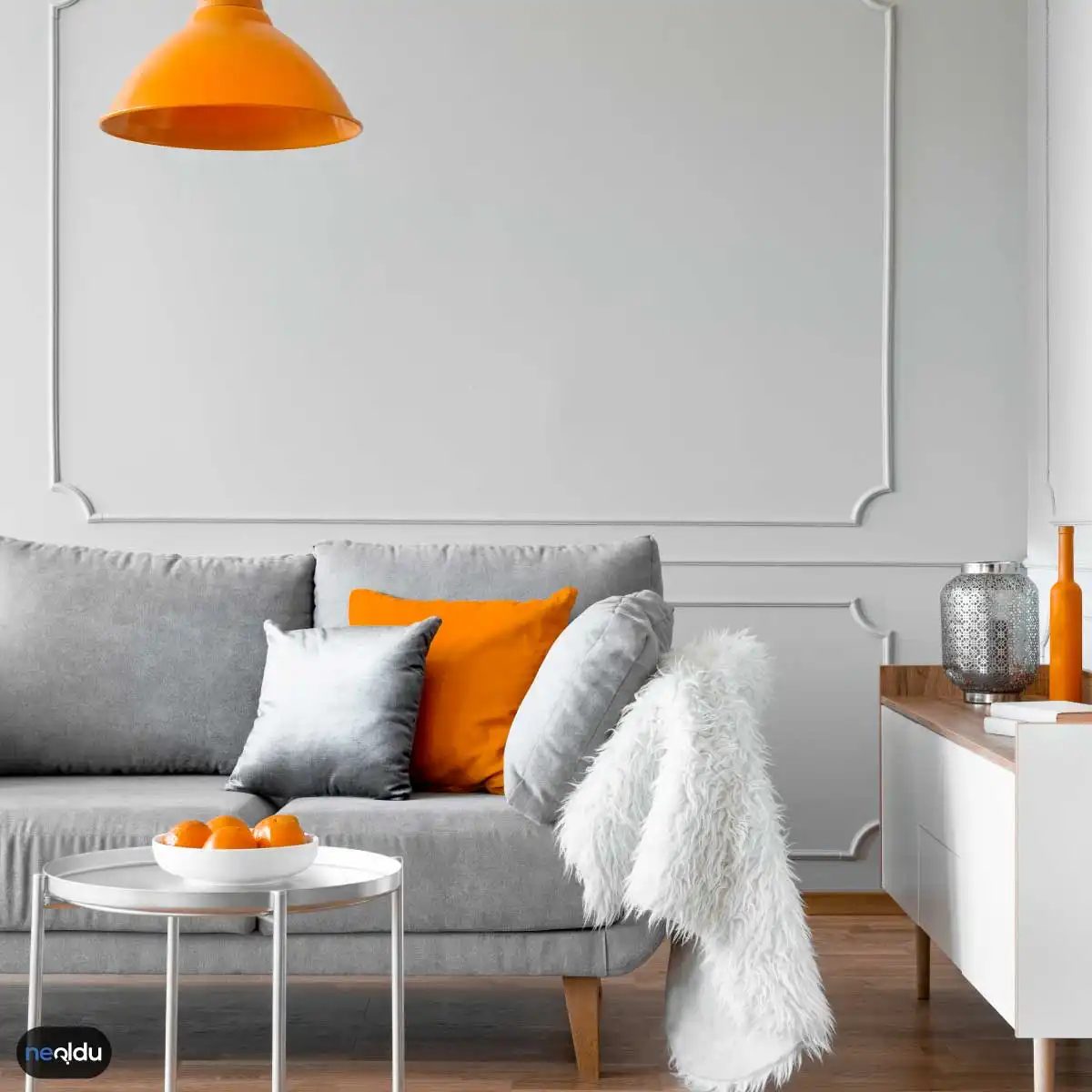
Consider the impact. You have a plain beige couch. Boring. Add a velvet pillow with a geometric print. Add a linen texture in a muted tone. Instant personality. The room transforms. The cost? Negligible compared to new furniture. The effort? Minimal.
“Decorative elements define the mood of a space more than structural changes.”
Materials and Textures That Work
Which fabrics should you prioritize for durability and style?
– Velvet : Adds depth and a touch of luxury. Pairs well with modern or minimalist setups.
– Linen : Breathable, casual, and slightly wrinkled in a charming way. Great for coastal or bohemian styles.
– Wool or Fleece : Essential for comfort. Use these as base layers under decorative pillows.
– Cotton : The workhorse. Easy to clean, durable, and versatile.
Do not mix too many shiny fabrics. Matte textures often feel more grounded. A single satin accent can break up the monotony, but don’t overdo it. Balance is key, but it should feel organic, not calculated.
Getting the Placement Right
Where do you put them?
Start with the corners of your sofa. This creates a symmetrical anchor. Then, move to the center. Vary the sizes. A large square pillow (20×20 or 26×26 inches) sits at the back. Smaller square or lumbar shapes go in front.
Why does this layering work? It creates visual interest through depth. If all your pillows are the same size and shape, the look is flat. Layering adds dimension. It mimics how we naturally sit and lean, making the space feel lived-in rather than staged.
Practical Tips for DIY Enthusiasts
You don’t need to buy everything new.
1. Check your existing pillows. Do they fit the new vibe? If the fabric is worn, replace the cover.
2. Measure twice. Ensure your pillow inserts match the cover dimensions. A tight fit looks better than a saggy one.
3. Wash before displaying. New fabric often has a chemical smell or stiffness. A quick wash in warm water sets the fibers.
Safety note: If you are adding decorative pillows to a nursery or a home with small children, ensure the materials are non-toxic and the covers are secure. Avoid small decorative charms that could become choking hazards.
Choosing the Right Color Palette
Which colors complement your existing decor?

How throw pillows actually change the look of a room
People underestimate them. They think a $20 pillow is just fluff. It’s not. A pillow is the fastest way to hack a space. You can swap a sofa’s entire vibe by changing the textiles draped across it. That’s why throw pillow design trends move so fast. They’re not static. They shift with seasons, fabric prices, and what’s happening in high fashion runways.
The material matters as much as the color. A satin pillow in a rough, industrial loft creates friction. It feels wrong. A chunky knitted pillow in a sleek, all-glass apartment adds warmth. It softens the hard lines. This is where the DIY homeowner has an edge. You can buy the fabric, sew the cover, and change the insert when the trend dies. Buying pre-made pillows locks you into a trend. Making your own covers lets you pivot.
“A room without texture feels like a stock photo.”
This is the core problem with most modern interiors. They’re flat. They look like renders. Adding depth is the fix. Layer different fabrics. Put a linen pillow behind a velvet one. Stack a small square on top of a large lumbar. It’s cheap. It’s reversible. And it makes the space feel curated rather than bought.
Which patterns are winning right now?
Minimalism is still the baseline, but it’s getting louder. Clean lines? Yes. Sane color palettes? Absolutely. But “boring” minimalism is out. Think tactile minimalism.
- Organic textures : Linen, cotton, and wool are dominating. These materials breathe. They drape. They look better as they age.
- Geometric shapes : Not just squares anymore. Rectangles, hexagons, and asymmetrical shapes are adding structure to soft furniture.
- Botanical motifs : Flowers aren’t gone, but they’re less realistic. Think abstract line drawings or stylized leaves.
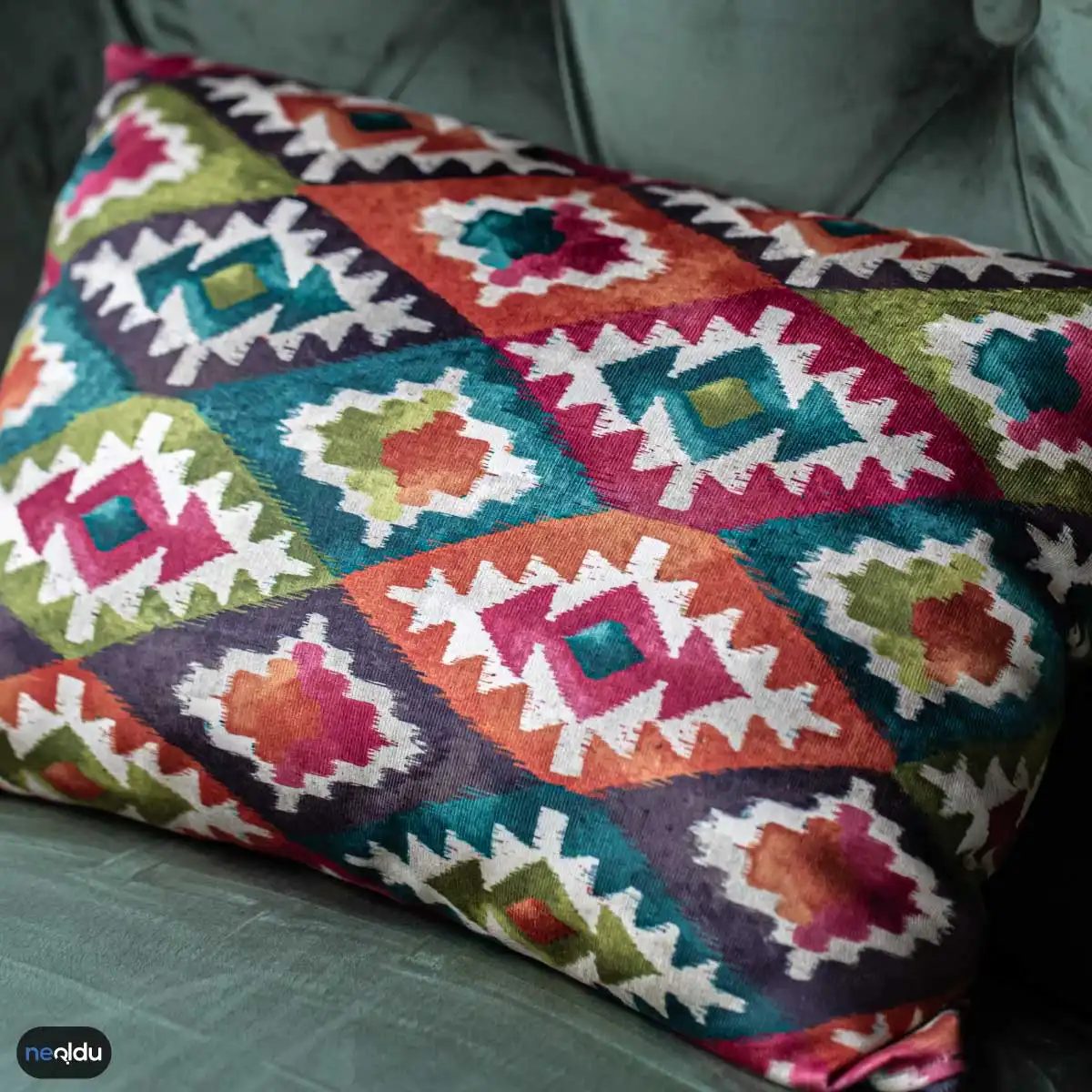
- Ethnic patterns : Tribal prints are having a resurgence. They add character to neutral walls.
Seasonality plays a huge role here. You don’t wear winter coats in July. Your pillows shouldn’t be thick flannel in August. Summer calls for lighter weights. Bright, tropical prints work well if you have a colorful scheme. But keep the base neutral. Let the pillows be the accent. If you go all-in on a loud pattern, the room gets chaotic.
Where to source materials for a DIY approach
You don’t need a professional sewing machine, but you do need decent fabric. Cheap polyester pills and looks shiny under sunlight. It’s a no-go for living rooms you use daily.
Look for natural fibers.
– Linen : Wrinkles easily. That’s the point. It looks relaxed.
– Cotton : Durable. Easy to wash. Great for high-traffic areas.
– Wool : Warm. Heavy. Perfect for reading nooks.
If you’re sewing your own covers, skip the fancy zippers. A simple envelope back is easier to make and just as functional. You can change the color of the insert without re-sewing anything. Buy a solid-color insert in a neutral tone. Then, make five different covers. Swap them out every season. It’s a low-cost way to keep your decor feeling fresh without
Where to Place Pillows for Maximum Visual Impact
Don’t just dump a bag of decor on the sofa and call it a day. Placement is everything. In the living room, these cushions are your primary tool for breaking up large, flat surfaces. Throw a few oversized, plush pillows against the back of the couch to create an immediate sense of comfort and invitation. If you prefer a sharper, more modern aesthetic, swap those for smaller, tighter-textured squares. They look sleeker. They say “minimalist” without saying the word.
The bedroom works differently. Here, the headboard is your canvas. Drape pillows along the head or even at the foot of the bed. This isn’t just about comfort; it’s about layering. When the fabric matches or complements your duvet and sheets, the room gains depth. Mixing sizes is the trick. A large lumbar pillow paired with two standard squares creates a look that feels curated rather than cluttered. It feels expensive because it looks intentional.
Adding Color to the Kitchen and Dining Areas
You probably don’t think of the kitchen as a place for soft textiles. You should. Kitchen chairs often have hard, unforgiving backs. Slipping a cushion over the backrest solves two problems at once: it adds a pop of color and makes sitting there actually bearable. Bright, lively patterns work well here. They inject energy into a space that is usually dominated by stainless steel and white tile.
You can even go bold. Use them on a bench or along the counter if you have a built-in seating area. It ties the room together. It makes the space feel less like a utility room and more like a living area.
Outdoor Cushions for Patios and Porches
The rules change when you step outside. Patio cushions serve a dual purpose. They make hard garden furniture usable and they define the mood of your outdoor space. Poolside loungers, balcony chairs, or a terrace set all benefit from colorful, weather-resistant pillows.
This is where material matters. You need something that can handle sun, rain, and wind. Cheap indoor fabric will rot or fade in a few weeks. Look for outdoor-specific materials that are UV-resistant and quick-dry. They turn a concrete patio into a place you actually want to sit. The contrast between the hard furniture and the soft, colorful pillows is what makes the outside feel like a room of its own.
Why Your Living Room Needs More Than One Cushion
You can fix a drab sofa with a single throw pillow. But that’s just the start. Real visual weight comes from mixing sizes and textures. Place a large square cushion in the corner, then layer a smaller lumbar pillow in front. Add a round one for contrast. The goal isn’t symmetry. It’s depth.
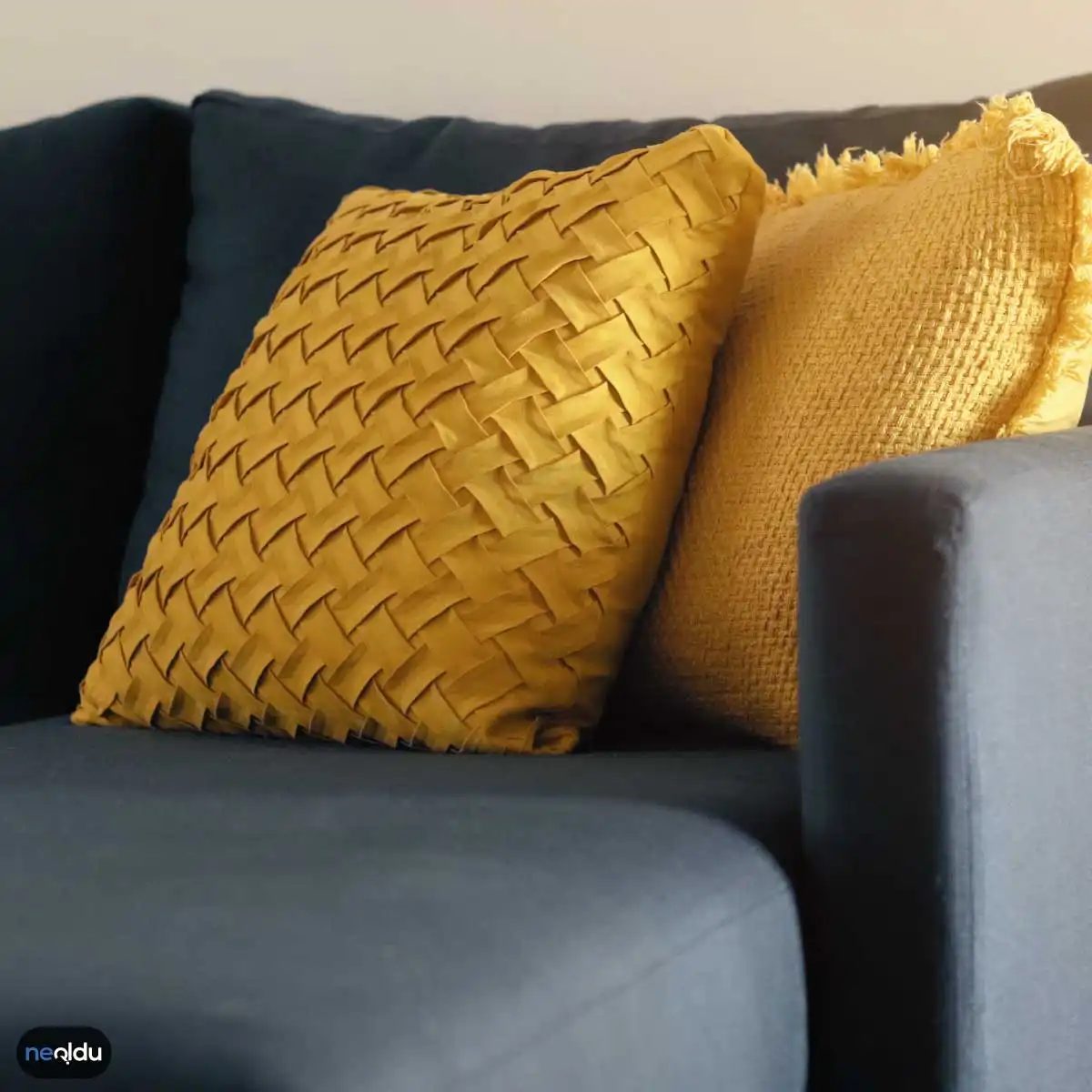
If the fabric feels flat, swap it for velvet or linen. These materials catch light differently. A smooth cotton pillow disappears into a plain wall. A textured one pops. You don’t need to match every pattern in the room. Pick one dominant color from your rug or wall paint, then use the cushions to echo that tone.
Bedding Layers That Actually Work
Most people treat pillows as accessories. They aren’t. They define the vibe of the bedroom.
- Headboard area: Stack three or four pillows. The back row should be standard sleeping pillows. The front row is for display. Choose decorative covers that match your duvet or throw blanket.
- Foot of the bed: This is often wasted space. Drop a few oversized cushions here. It softens the hard lines of the mattress base and makes the bed look inviting rather than clinical.
Mixing sizes creates a “luxe” look without buying expensive bedding. A 24-inch pillow looks casual. A 20-inch one looks sleek. Combining them adds dimension.
Making Hard Chairs Feel Human
Dining chairs and kitchen benches are hard. Wood is unforgiving. Leather is cold. A cushion fixes this instantly.
For a wooden chair, use a slim lumbar cushion for the back and a square seat cushion. This prevents “hip pinching” during long dinners. In a kitchen with a banquette, use thick, durable fabric. You will be wiping up spills. Choose removable covers. Washable cotton blends or performance fabrics are practical choices here.
Don’t overthink the style. If the chair is rustic, use a woven jute cushion. If it’s modern, go for a solid, matte fabric. The cushion should look like it belongs to the chair, not just placed on it.
Window Treatments That Do Double Duty
Cushions on windows? Yes. It sounds odd, but it works.
Place large, heavy pillows in the corners of a window bay. They fill the empty space between the window frame and the furniture. This creates a cozy nook. Pair them with curtains. The fabric of the cushion can match or contrast with the drapes.
Functionally, thick cushions can help block light if placed strategically behind sheer curtains. They add bulk to the window treatment, making it look substantial rather than flimsy. It’s a cheap way to make a window feel like a focal point.
Outdoor Durability: The Real Test
Indoor cushions are soft. Outdoor cushions are tough.
Terra, balconies, and patios need materials that resist water, sun, and mold. Never use indoor fabrics outside. They will mildew in two weeks.
- Material: Look for solution-dyed acrylic or polyester. These hold up against UV rays.
- Covers: Always buy removable covers. Rain happens. You need to wash them.
- Storage: Even with good fabric, bring cushions inside during heavy storms. It extends their life.
Color matters outside. Bright colors fade faster than earth tones. If you want your patio cushions to last a year, stick
Tracing the lineage of throw pillows from ancient courts
The history of cushioning isn’t just about comfort. It is a long story written in silk and stone. You see, these items have been status symbols for millennia. In Ancient Egypt and Mesopotamia, they were not everyday items. Only the wealthiest homes possessed them. Think about that. Kings used them to display power. Rich fabrics and gemstones covered the surfaces. They sat in royal palaces, marking the owner’s prestige. Comfort mattered, yes. But showing off mattered more.
“Cushions were essential in luxury homes, serving as prestige accessories in royal palaces.”
How medieval Europe kept the trend alive
Then came the Middle Ages. The fashion did not die. It moved to European courts. You would find them in castles and churches. The materials became high-quality textiles. Handwork and elaborate decorations were standard. These pieces symbolized strength and status. The aesthetic was heavy, ornate, and clearly meant to impress.
The 18th and 19th century shift to personal style
Modern trends really started gaining traction in the 1700s and 1800s. Home decoration changed across Europe. England and France led the way. Homeowners started using them to show their own taste, not just their wealth. The look shifted. Embroidered fabrics and elegant patterns became popular. They complemented luxury furniture. The focus moved from pure ostentation to personal expression.
What defines modern pillow design fashion
So, what is the current deal? It is about matching shape, color, and texture to your specific style. You are not just buying a cushion. You are buying a tool for character. These pieces add depth and texture to a room. They tie the whole look together. You want variety. You want a personal touch. The trend is about creating a cohesive visual experience.
Why they matter in your living space
Do not underestimate their role. They serve two purposes. First, they look good. Second, they feel good. They add color and pattern. They make a room feel finished. But they also increase physical comfort. That is the dual benefit. You get a visual upgrade and a functional one.
How to choose the right pillows for your home
This is where you get hands-on. Look at your existing decor. What colors are already there? What is the style of your furniture? You need to match the vibe. Size matters. A huge pillow on a small chair looks wrong. A tiny one on a large sofa looks lost. Material is key. Is it cotton? Velvet? Linen? The texture will change how the room feels. Choose something that fits the room, not just the moment.
Where can you actually place them?
You have more options than you think. It is not just the sofa. Think about the bedroom. Throw some on the bed. What about the kitchen? Maybe on a bench. Teras? Yes, if the fabric holds up. Gardens? Definitely. You can place them on chairs, sofas, beds, or near windows. The placement depends on the function. If it is outside, you need weather-resistant material. If it is inside, you can be more experimental.
How to maintain your collection
Care is simple, but you must follow the rules. Check the label. Most can go in the washing machine. Some need hand washing. Do not guess. Spills happen. Clean them fast. Damp spot equals hard stain later. Also, air them out regularly. Dust and odors build up. Keep them clean and fresh. It extends their life.
Practical tips for the DIY homeowner
If you are doing this yourself, focus on the fill. Polyester is durable. Feather is softer but needs fluffing. You can even make your own covers. Sewing is straightforward. Cut the fabric. Sew three sides. Leave one open for the insert. Turn it right side out. Zipper or button closure works well. This is a great weekend project. You control the cost and the design. Just be careful with sharp pins and needles. And remember, the best decoration is the one that makes you want to sit down.


