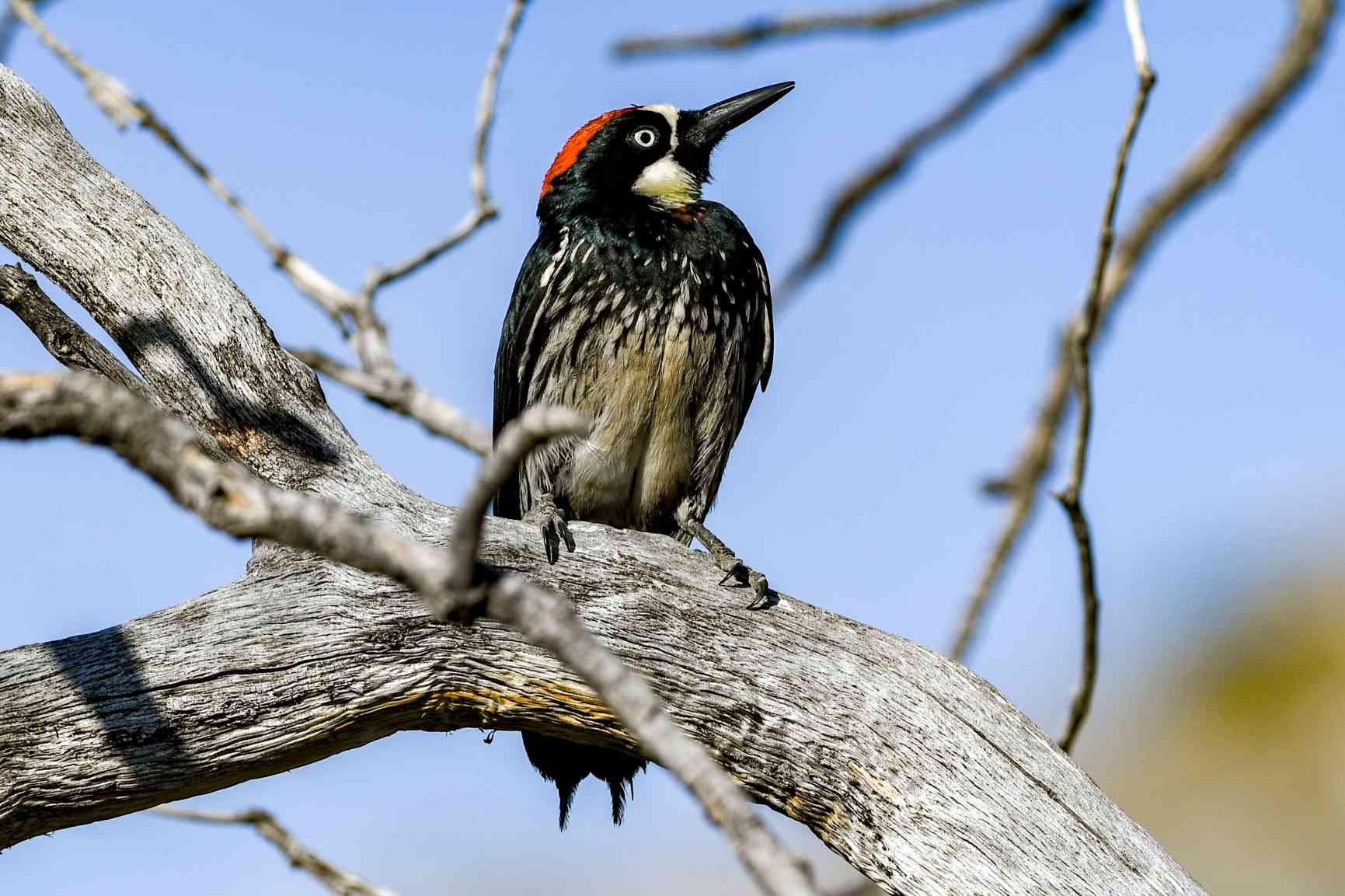
As spring transitions into early summer, homeowners across the U.S. often face an unwelcome auditory assault: the rhythmic, thunderous drumming of woodpeckers on siding, light poles, and outbuildings. This activity peaks between March and June, driven by the birds’ natural instincts to establish territory, attract mates, excavate nesting cavities, and forage for insects.
While woodpeckers are vital to the ecosystem, their pecking can cause significant structural damage. The key to resolution lies in deterrence rather than harm. By understanding why these birds target specific structures, homeowners can implement effective, humane barriers that protect their property while respecting wildlife.
Here are nine proven methods to redirect woodpecker activity away from your home.
Visual and Auditory Deterrents
Woodpeckers are easily startled by sudden changes in their environment. Leveraging their wariness of predators and bright stimuli can effectively break their habit of pecking at your siding.
- Reflective Materials : Hanging shiny objects creates disorienting flashes of light that signal potential danger. Simple solutions include aluminum foil strips, pie tins, or specialized holographic bird-scare tape. These items move in the wind and reflect sunlight, making the area visually unstable for the birds.
- Motion-Activated Sprinklers : A motion-activated water hose delivers an unexpected spray when a bird approaches. While woodpeckers enjoy bathing, the sudden shock of water is an effective deterrent. Consistency is key; leave the device in place until the birds abandon the site.
- Dynamic Visuals and Sounds : Stationary objects, like plastic owls, are quickly ignored as woodpeckers learn they pose no threat. Instead, use moving items such as windsocks, flags, or helium balloons. You can also create a fake hawk decoy with spread wings and hang it near eaves. Supplement this with abrupt noises—such as banging pots or playing hawk calls—to reinforce the perception of a predator presence.
Physical Barriers and Structural Maintenance
If visual tricks fail, physical barriers and structural repairs provide more permanent solutions.
- Seal Entry Points : A row of small holes often indicates a woodpecker searching for insects, which may signal an underlying pest infestation. Instead of using harsh chemicals, fill holes and crevices with putty. If you suspect termites or carpenter ants, consult a professional exterminator to address the root cause.
- Install Bird Netting : For areas under heavy attack, bird netting is highly effective. Hang the netting from the eaves so it stays at least three inches away from the exterior surface. Ensure the sides and bottom are securely fastened to prevent birds from becoming trapped inside.
- Opt for Paint Over Stain : When maintaining wooden exteriors, choose paint rather than stain. Paint provides a smoother, harder surface that seals small cracks, removing the “starting points” woodpeckers prefer. Additionally, opt for light colors, which woodpeckers tend to avoid more than dark, stained wood.
Providing Alternative Resources
Often, woodpeckers target homes because natural resources are scarce or inconvenient. By offering better alternatives, you can redirect their behavior.
- Install Nesting Boxes : Woodpeckers are cavity nesters that prefer sloping roofs, such as eaves. If a bird begins excavating your siding, do not seal the hole immediately, as this may trap the bird inside. Instead, install a pre-made or DIY nesting box nearby. Ensure the box size matches the specific species visiting your yard. Providing a ready-made nest site removes the incentive to damage your home.
- Use Specialized Feeders : Woodpeckers may drill into siding to find insects. Installing feeders designed specifically for woodpeckers, stocked with suet, nuts, and seeds, can satisfy their dietary needs without the destruction. High-quality food sources make the effort of drilling into wood unnecessary.
- Leave Dead Wood Stands : If you have cleared trees recently, consider leaving stumps or fallen branches in safe, non-hazardous locations. Dead wood attracts insects, which in turn attract woodpeckers. By concentrating insect activity in a specific area of your yard, you draw the birds away from your house.
Key Insight : The most effective strategy is often a combination of these methods. Woodpeckers are persistent, so consistency in applying deterrents is crucial to breaking their habits.
By implementing these humane solutions, homeowners can protect their structures while coexisting with these industrious birds. The goal is not to eliminate the woodpeckers from the area, but to make your home a less attractive option than the natural alternatives you provide.