The rainy season is coming hard. Spills can quickly become a problem. Large amounts of water do not disappear into the sky. They introduce impurities into the clean supplies. They turn yards into a mud puddle. If left unchecked, it can damage buildings and infrastructure. It takes planning. It is important to direct the water away. Two practical DIY projects can solve this problem without breaking the bank.
Install a rain barrels to collect rainwater from your roof.
The gutter system is already does half the work. Keep water off the roof. It controls the flow. But usually everything is dumped in some concentrated spots. This is where the damage begins.
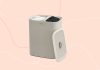
Connect downspout to 55 gallon rain barrels. These are standard sizes. Available at most hardware stores. Keep the barrels covered. Leave only one hole in the lid for the downspout connection. This prevents dirt and mosquitoes from entering.
Connect the trickle hose to the spigot near the bottom of the bucket. Don’t let it just dump. Spread water. Spread evenly over the entire site. This slows down the runoff. Give the soil time to absorb.
Save the water for later use. Use to water your lawn and plants during drought. This is free water. It’s better for your plants than chlorinated tap water.
Build a rain garden to absorb excess water
If a bucket isn’t enough, look at the landscape. Look for areas that are naturally low. This is where water pools. Turn this issue into a feature.
Create a rain garden. It should be about **20 percent of the size of the area draining into it. This ratio matters. If it is too small, it will overflow. Too big and a waste of space.
Shape is key. Make it curvy. The longest part of the garden should be perpendicular to the slope of the land. This maximizes the absorption surface area.
Dig 8 to 10 inches into the existing soil. It is about 20-25 cm. Keep that dirt. Use to build a berm on the downhill side. This barrier keeps water in the garden bed.
Amend the soil bed. Add some compost. This helps with drainage and the preservation of nutrients. Now plant. Choose hardy, thirsty plants. Native species are usually the best. Adapts to local wet/dry cycles.
Why this matters
Runoff is more than just a mess. Very expensive. It erodes soil. It pollutes waterways. It threatens your foundation. These two methods work together. Barrels catch the roof water. The garden handles the yard water.
Start with the barrels. It’s easier. Less labor. Gardens require more planning. But it’s more permanent. It improves biodiversity. It looks good too.
You’re not just managing water. You are creating a system. An approach that works with nature, not against it. The next storm is not a crisis. It’ll be a resource.