


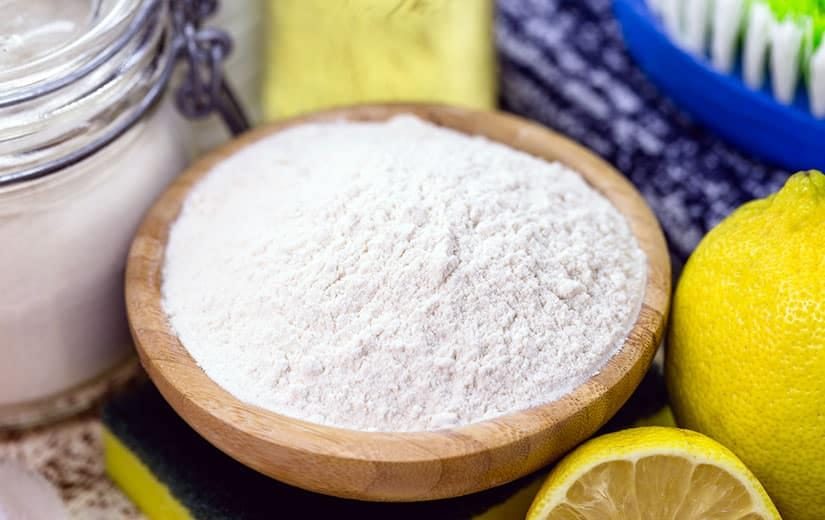
Baking soda is the undisputed heavyweight champion of natural cleaning. If you’re tired of harsh chemical fumes and want something that really works, this white powder deserves a permanent place in your kitchen drawer. It doesn’t just sit there and look pretty. It fights hard.
The science is simple, but powerful. Sodium bicarbonate is slightly alkaline. This makes it a natural enemy of acidic dirt. When you mix it with water, you get a paste that rubs without scratching. It removes dirt, breaks down grease and neutralizes odors at their source instead of masking them with perfume.
Зміст
Why it’s better than store-bought cleaners
You might wonder why you should bother with a box of baking soda when supermarket shelves are full of specialty cleaners. The answer lies in versatility. One container handles multiple jobs.
It fights against limescale deposits in bathrooms and kitchens. That white, crunchy ring in your sink? Gone. It disinfects surfaces by creating an environment where bacteria struggle to survive. It also works as a gentle scrubbing agent for scrubbing pots and pans that have seen better days.
In addition to cleaning, it repels insects. Ants and cockroaches hate the texture and pH. Sprinkling it in the corners can help keep them away without the use of toxic pesticides.
The right tools for the job
You don’t need an arsenal of expensive equipment. With a few basic things, you can do the job safely and efficiently.
- Soft sponges: For delicate surfaces such as granite or painted walls.
- Stiff-bristled brush: For grout lines, tile floors and oven interiors.
- Spray bottle: Used to mix solutions with water or vinegar.
- Microfibre cloths: For wiping away residues without leaving any lint.
- Rubber gloves: Always protect your skin, also with natural ingredients.
Safety above all
Natural products also demand respect. Baking soda is generally safe, but contact with the eyes can cause irritation. Wear safety glasses when scrubbing high shelves or when exposed to strong vapors from mixing solutions. Keep it out of the reach of children and pets. Ingestion of large amounts may cause stomach upset.
Mixed solutions
The most common method is a paste. Mix two parts baking soda to one part water. Apply it on the dirty area. Let rest for five to ten minutes. Scrub. Rinse. This works wonders on baking sheets, cutting boards and fridge shelves.
For liquid cleaner, dissolve 1/4 cup in a gallon of warm water. Use it to mop floors or countertops. The solution is non-toxic and safe for most sealed surfaces.
Baking soda works best if you give it time to react with the dirt. Don’t rush the process. Let it sit.
Where it is used
The bathroom is its natural habitat. Sprinkle it on the walls of the bathtub and shower. Scrub the grout. The limescale dissolves. Water stains disappear. The smell of mold disappears.
In the kitchen, you can use it to clean the microwave oven. Put water and a tablespoon of baking soda in a bowl. Heat for three minutes. The steam removes food spills. Wipe it off easily.
Don’t forget the trash can. Sprinkle a layer at the bottom. It absorbs odors
小苏打的声誉大多是不劳而获的。 它很便宜,可以永久使用,而且闻起来没什么味道。 但这并不意味着它对您的家来说是安全的。 事实上,用这种白色粉末处理每一个污渍都会快速毁掉你的财物。 问题不在于它不起作用;而是它在错误的地方表现得太好了。 它很磨蚀。 它是反应性的。 这是不分青红皂白的。
以下是您需要放下盒子的表面。
Hair care: The Dilution Rule
You can find DIY hair masks online that claim baking soda will cleanse the scalp and kill dandruff. This logic makes sense in theory. Reality is cruel. Pure baking soda is too harsh for hair.
If applied directly, the hair cannot be cleaned. It will be sandblasted. The cuticle comes off, causing the hair to lose moisture and become brittle.
The fix? Dilution. If you must use it, mix it with water or a mild conditioner. Never apply the powder directly to the scalp. However, limit its use. Hair needs natural oils to stay healthy. Baking soda removes everything.
铝炊具:发黑效果
检查你的厨房抽屉。 您有旧的铝锅或平底锅吗? 如果是这样,请将小苏打扔掉。
铝是一种活性金属。 当它遇到小苏打的碱性时,就会发生化学反应。 结果立即变黑。 金属发生氧化。 表面变成深灰色或黑色,通常是永久性的。
你不知道这一点。 你擦洗了一个平底锅。 现在看来,它已被烧毁,无法修复。
如果您犯了这个错误,请迅速采取行动。 立即用大量水冲洗该物品。 在反应凝固之前停止反应。 但预防胜于治疗。 Stick to mild dish soap for aluminum.
Glass and windows: risk of scratches
Baking soda is sold as a mild scrubbing agent. Removes stubborn limescale from glass bottles. You can clean the mirror. it works.
However, just because it’s “effective” doesn’t mean it’s “long-term safe.”
Repeated use on glass can cause microscopic scratches. These may not be visible at first. Over time, however, the surface becomes cloudy. Transparency gradually disappears. The glass looks cloudy.
This is especially true for Windows. Do not use baking soda paste to clean home windows. Abrasive particles can darken the surface. Clarity is lost. You gain scratches.
A vinegar-water solution is safer for glass. Removes grease without rubbing. It makes the glass transparent. Baking soda leaves glass dull.
银器:氧化陷阱
银会失去光泽。 这是事实。 银与空气中的硫发生反应。 它变黑了。 我们想要消除这种污点。
小苏打似乎是显而易见的选择。 它是白色的。 很干净。 这是很自然的。
不要在银上使用它。
粉末的研磨性会划伤银器的精致表面。 你可以去除失去光泽的地方,但你也可以去除光泽。 银色变得哑光。 它失去了光泽。
此外,如果冲洗不彻底,化学反应会加速未来的变色。 残留物被困在雕刻中
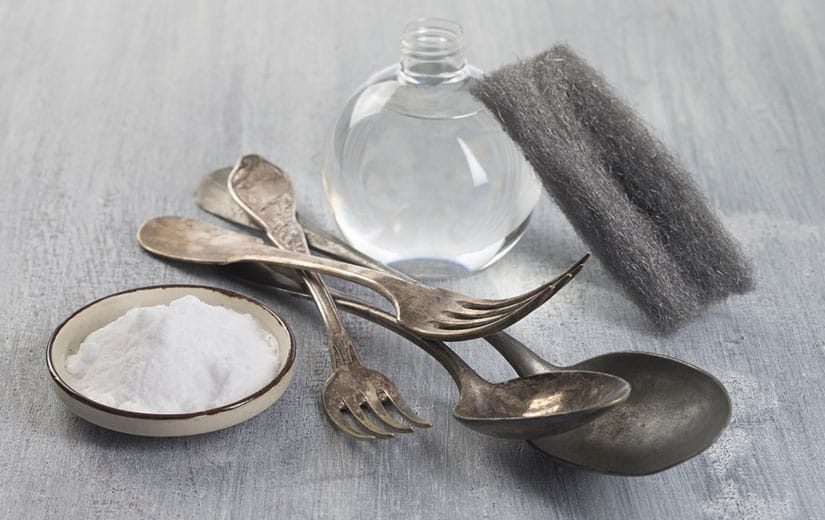

It feels like a natural, gentle cleanser, right? Just a pinch of baking soda and some water. But if you have sensitive items in your home, this assumption can be expensive. This common pantry staple is far too harsh for many surfaces. It removes protective layers, causes discoloration and leaves stains that are difficult to remove.
This is where you need to stop before scrubbing.
Silver and gold jewelry
Start with a jewelry box. You may have heard that baking soda restores shine to tarnished silver. It’s a myth. In reality, it is too aggressive for precious metals.
Silver requires a special patina – a thin, protective layer of oxide – to maintain its luster. Baking soda removes it. Result? Your silverware or heirloom pieces will become dull and develop a dark, blackish coating. It looks worse than the original tarnish.
Gold is no different. It is a soft metal. Using abrasive powder on it creates micro-scratches. Over time, the surface loses its shine and becomes rough. Use warm water and a drop of mild soap on the silver. Dry it thoroughly with a soft cloth. A gentle wipe is enough for the gold. Don’t compromise the finish for a quick clean.
Vitroceramic Cooktops
The modern glass-ceramic stove top is stylish and efficient. It is also unforgiving. Never use baking soda.
The powder is abrasive. Even small grains can scratch the smooth glass surface. If you’re lucky, it’ll just scratch. It often leaves a stubborn white residue that sticks to the glass. Removing these deposits requires professional chemicals or excessive scrubbing, which further damages the surface.
If you accidentally spill baking soda on your stove, don’t leave it standing. Wipe it immediately with a microfiber cloth moistened with white vinegar. This neutralizes the residue before it becomes a permanent stain.
Marble and natural stone
Marble looks great in a kitchen or bathroom, but it is chemically sensitive. While a single use of baking soda may not cause immediate catastrophic damage, repeated exposure is catastrophic.
The powder breaks down the sealant and the outer layer of the stone. When this surface layer is damaged, the marble becomes porous. It absorbs spills, stains easily and loses its natural shine. It ends up looking dull and worn. Instead, choose a pH-neutral cleaner specifically for stone. Don’t play with the integrity of your countertops.
Textured and Irregular Surfaces
Baking soda is a powder. Powders like to hide in crevices. If you apply it to a rough, uneven or heavily textured surface, it will grind into the material.
Think unglazed tiles, rough-hewn stone or heavily textured wall paint. The powder gets stuck in the pores. If you try to rinse it off, you’ll just push it deeper. This leaves gritty, impossible-to-remove traces that ruin the aesthetic of the surface.
If you have already done this on a porous surface, allow the surface to dry completely. Then brush it gently with a soft-bristled brush. Do not use a wire brush or other abrasive cleaning agents. You need to lift the particles out and not grind them in further.
Finished Wood
Do not use baking soda on hardwood floors, antique furniture, or wooden shutters. The problem is rarely the wood itself, which can withstand relatively mild alkalis. The problem is the finish.
Most wooden surfaces are coated with varnishes, polyurethanes or waxes to protect them from moisture and dirt. Baking soda acts as a mild abrasive and can wear away these protective layers. Over time, the finish to cloud, peels or wears unevenly. The result is a patchy, dull appearance that needs to be corrected by sanding and refinishing. Use wood-specific cleaners that are preserve the sealant.
Gold Plated Items
Gold-plated jewelry and gold-rimmed porcelain are inherently fragile. The gold layer is thin. It sits on a base metal, usually brass or copper.
Baking soda removes the coating. Over time, the abrasion of gold-plated objects reveals the dull base metal underneath. The same applies to delicate dishes with gold trim. The abrasive effect causes the decorative layer to wear away. If you want these items to retain their luster for years, treat them with great care. Use a soft, dry cloth for dusting. Avoid powders, chemicals or excessive moisture.
Skin and direct contact
Finally, remember that baking soda is not just a cleaning agent; it is a chemical agent. It has a high pH. Your skin has a natural acid mantle that protects against bacteria and retains moisture.
Applying baking soda directly to the skin while cleansing can disrupt its pH balance. It causes dryness, irritation and dermatitis. When using it for laundry or heavy-duty scrubbing, always wear gloves. Do not leave the powder on your hands or body. The convenience of a natural ingredient does not outweigh the risk of skin damage.
The goal is to maintain your home’s surfaces,
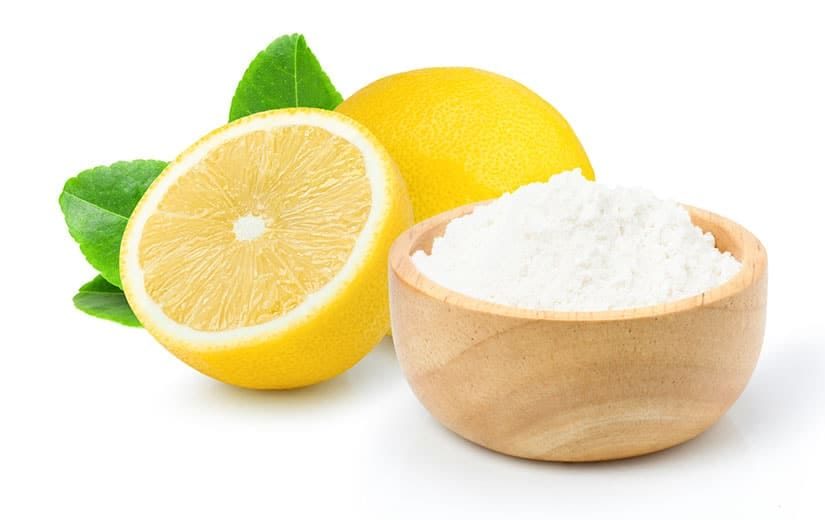
Avoid using baking soda on your face
You love the ritual of homemade beauty treatments. You follow all the DIY recipes and advice your favorite influencers from. Baking soda is the main ingredient in these natural products. It’s everywhere.
But there is one rule you must never break. Do not put baking soda on your face.
This powder is harsh. Destroys the acidic surface layer of the skin. The result is dryness. Irritation. A compromised barrier. remember this warning before mixing your next soothing mask or cream. Keep baking soda away from sensitive facial skin. It just dries out your skin.
Now you know what to avoid. You are fully aware of surfaces and areas where baking soda is not recommended. Fortunately, this universal powder is still used in many practical applications around the home. It is often combined with white vinegar, another household hero.
Smart Alternatives for Cleaning
While you should skip it for your complexion,但小苏打仍然是powerful ally for cleaning tasks around the house。 与白醋结合使用,可有效去除顽固污渍和异味。
如果您正在寻找更实际的应用,以下是使用这些常见家居用品的其他方法:
- 11 件绝对不能用白醋清洁的东西
- 如何用小苏打美白衣物
- 如何用小苏打清洁地毯
- 洗衣机:15 件绝对不应该放进去的东西
- 9 种混合白醋和小苏打的方法
- 如何用小苏打清洁洗衣机
- 如何用小苏打清洁布艺沙发
- 小苏打足浴配方
- 小苏打在厨房的 14 种用途


