
The sofa anchor your living room. It dictates the flow. It survives coffee spills, dog claws, and the weight of a three-hour movie binge. Getting it wrong is expensive. Getting it right changes how you live. Most people scroll Instagram, see a pretty shape, and click buy. That is a mistake. A sofa is an investment. It is furniture that outlasts trends. You need to look past the color swatch. You need to look under the cushion.
Зміст
Why Material Matters More Than Looks
Fabric choice is not just about texture. It is about survival. If you have kids or pets, velvet is a trap. It looks luxurious until it catches every piece of lint in the air. Canvas is better. Microfiber stands up to chaos. It can be rubbed clean. Leather ages. It develops a patina. Cheap synthetic leather cracks in three years. Real leather softens.
When you sit down, does the frame shift? You should not hear creaking. You should not feel the springs pressing into your back. The foundation determines longevity. Hardwood frames are non-negotiable. Plywood joints fail. Look for kiln-dried oak or maple. The wood must be dry. Moisture leads to warping. Warping leads to collapse.
How to Test Comfort Before You Pay
Showroom lighting lies. It makes everything look brighter, cleaner, more inviting. Sit in the seat. Lean back. Lie down. Your body knows before your brain does. The depth of the seat matters. If your feet dangle, the sofa is too deep. You will slide forward. Your lower back will hate you. If your knees hit the edge, it is too shallow. You will feel trapped. Aim for 21 inches. That is the sweet spot for most adults.
Check the cushion density. High-resilience foam bounces back. Low-density foam flattens into a permanent crease within six months. Press your hand into the cushion. If it stays indented, walk away. You need support. You need structure.
Which Size Fits Your Space?
Measure twice. Buy once. This is the golden rule. But do not just measure the floor space. Measure the doorways. Measure the elevator. Measure the stairs. A sectional that fits in the showroom might never make it into your hallway. You will be stuck with a sofa in the driveway and an angry delivery driver.
Consider the layout. Does it block the pathway? Does it face the TV or the conversation circle? Orientation changes function. A chaise lounge is great for napping. It is terrible for watching football. You need to match the form to the function.
Where to Find Durability
Look at the stitching. Double-stitched seams hold. Single-stitched seams split. Check the legs. Are they attached firmly? Loose legs wobble. Wobbling causes damage. Screws should be tight. Metal brackets should be visible if you lift the skirt. Hidden joints are often weaker.
“The best sofa is the one you forget you bought because it just works.”
This is not about finding the cheapest option. It is about finding the right build. A cheap sofa saves money today. It costs you money tomorrow. You will replace it. You will waste time. You will compromise your comfort.
Comparison
Defining Space and Purpose Before You Buy
You need to decide who this furniture is actually for. Is it a daily family hub or a showpiece for guests? That answer dictates the footprint. If you are squeezing a set into a tight living room, go small. Look for corner units or minimalist frames that don’t swallow the floor space. Big room? You have license for something bolder and wider.
Functionality often wins over aesthetics in small apartments.
Think about what the room needs to do. A sleeper sofa adds flexibility. Storage ottomans hide clutter. These features matter most in studio flats or homes with limited square footage. If you host often, the pull-out mechanism is a lifesaver. It turns a seating area into a sleeping arrangement instantly. Skip the bulky decor if you prioritize utility. Choose pieces that work harder than they look.

Matching Style and Color
You don’t need to overthink this. But you do need to look at the room as a whole.
If your sofa clashes with your walls, the space feels off. It’s subtle. You notice it. You just can’t name it.
Check your existing decor style first.
Is your home modern? Go for clean lines. Minimalist fabrics. No extra trim.
Is it classic? Look for rolled arms. Tufted backrests. Traditional silhouettes.
Is it rustic? Think wood accents. Distressed leather. Heavy textures.
The sofa must speak the same language as the rest of the furniture. If you have a sleek glass coffee table, a heavy Victorian couch will look out of place. It won’t just look bad. It will look expensive and wrong.
Color is your safety net.
Neutral tones are boring to some. They are practical for others.
Gray. Cream. Beige.
These colors don’t fight with anything. They let your pillows, rugs, and art take center stage.
Bright colors? They demand attention. Use them sparingly. Or risk overwhelming the space.
Use pattern to create balance.
If your walls are plain. If your rug is solid. A patterned sofa adds life. It brings energy.
If your room is already busy. Bright curtains. Geometric rug. Loud art. Stick to a solid color. Let the eye rest.
Don’t match everything exactly. That’s a showroom look.
Aim for harmony. Not uniformity.
The goal isn’t to match. It’s to complement.
Think about longevity. Trends fade. Neutral palettes stay.
Patterns wear out visually before the fabric does.
Consider the lighting. Natural light changes how colors look throughout the day. Test samples. Watch them in the morning. Watch them at dusk.
Your sofa should feel like it belonged there before you bought it. Not like an afterthought.

Choosing the Right Upholstery for Your Sofa
Fabric sofas offer a soft touch and a wide array of colors and patterns. They are generally comfortable for lounging. But they come with a catch. Dust settles easily. Stains are a genuine risk if you have kids or pets. You will need to vacuum more often and treat spills immediately.
Leather provides a sleek, luxury aesthetic. Cleaning is straightforward. A damp cloth usually does the trick. The downside? It can get sticky in hot weather. Sweat sticks to it. And the price tag is significantly higher than fabric options.
Faux leather and microfiber sit in the middle. They mimic the look of real leather without the high cost. Microfiber is soft and durable. Faux leather is easier to wipe down than fabric. However, neither lasts as long as genuine high-quality leather. The material may crack or peel over time.
Consider your lifestyle before buying. If you hate cleaning, leather might be worth the investment. If you want comfort and variety, fabric is the way to go. For a budget-friendly compromise, test out microfiber samples. Feel the texture. Check how it resists light abrasion.

Choosing Mattress Fill and Support Specs
The feel of your furniture starts with what’s stuffed inside. You aren’t just buying a shape. You are buying a density.
Foam cushions hit harder. They provide a firm, structured sit. If you like back support that doesn’t sag, look for high-resilience foam. It holds its line.
Down or feather fills are different. They sink. They mold to your body. The trade-off? You need to fluff them daily. They lose their shape if you ignore them.
Latex is the middle ground. Bouncy. Supportive. Cool to the touch. It doesn’t trap heat like memory foam often does.
Polyester fiberfill is soft but prone to flattening. It’s cheap. It breaks down faster. You get what you pay for.
Finding the Right Seat Depth and Height
Comfort isn’t just about softness. It’s about geometry.
If the seat is too shallow, you’re perched. Your thighs don’t get support. You feel unstable.
If it’s too deep, you’re digging into the back cushion with your heels. No lumbar support reaches your spine. You’re slouching just to be comfortable.
The sweet spot varies by user. A standard depth sits around 20 to 22 inches. Measure your own leg length. Sit in a chair with your feet flat on the floor. Your knees should bend at 90 degrees. Your thighs should rest fully on the cushion.
Back height matters too. Low backs expose your spine. High backs cradle your head and neck. If you’re tall, a low back leaves your neck unsupported. You’ll crane your head forward. That’s a recipe for tension headaches.
Look for adjustable backrests if your body isn’t average height. Or pick a chair with a high back and a separate lumbar pillow.
Why Removable Covers Are Non-Negotiable
Hygiene is the real reason you want zippered covers.
Spills happen. Coffee. Wine. Grease from snacks. If the cushion is sewn shut, you’re in trouble. You can’t wash the whole insert. You have to spot-clean. Spot cleaning rarely works perfectly. Stains set. Odors linger.
Removable covers let you strip the furniture and toss them in the wash. You can use hot water. You can use heavy-duty detergent. You get it clean.
Check the fabric weight. Thin covers tear easily when you pull them off. Look for reinforced stitching at the seams. Zippers should be hidden. A visible zipper ruins the look and can scratch your skin or snag clothes.
Some covers are dry-clean only. That adds cost and hassle over time. Machine-washable is the practical choice for daily living.
Material Selection for Durability
The outer fabric dictates maintenance.
Leather wipes down. It’s easy. But it scratches. It fades in sunlight. It gets sticky in summer if it’s not ventilated.
Microfiber is tough. It resists stains. It’s soft. It’s hard to see wear patterns. But it can crush down over time, losing its texture.
Natural fabrics like linen or cotton breathe well. They feel cool. But they absorb stains instantly. You need to treat them with a spray protector. Even then, red wine will leave a mark.
Synth

Koltuk takımının ömrünü belirleyen şey sadece görünüşü değil. İçindeki yapı. Birçoğu kumaşın dokusuna takılıyor ama asıl sorun iskelette gizli.
Ahşap Iskelet Seçimi
Metal veya plastik çerçeeler genellikle kısa vadeli çözümler. Hızlı üretim maliyetleri düşürür ama zamanla gevşer veya kırılır.
Ahşap iskelet ise farklı bir oyun oynar. Doğru seçilmiş sert ağaç türleri (meşe, kayın, akçaağaç gibi) uzun ömürlü bir iskelet sunar. Bu iskelet tipi koltuğa sağlamlık katar. Evde çocuklar zıplamasa bile, günlük kullanım bile bu yapıyı zorlar.
Eğer dayanıklılık arıyorsanız, iskelet malzemesini mutlaka sorun. “Sert ağaç” anahtar kelimelerini duymak, uzun vadede para kazanmak demektir.
Kumaş ve Deri Direnci
Kumaş kalitesi aşınmayı doğrudan etkiler. Ucuz kumaşlar yırtılır, renk kaybeder.
Yüksek kalite kumaşlar veya gerçek deri, sürtünmeye karşı daha dirençlidir. Tekstil endüstrisinde kullanılan “Martindale direnci” gibi testler, kumaşın kaç kez ovulabileceğini gösterir. Ev kullanımı için düşük bir rakam, ticari kullanım için yüksek bir rakam gerekir.
Ayrıca, kumaşın dokusu da önemlidir. Düz dokular daha kolay temizlenirken, dokulu kumaşlar daha az kir gösterir ama toz biriktirebilir. Hangi kumaşı seçeceğiniz, evinizdeki yaşam tarzına bağlı.
İşçilik ve Dikiş Detayları
Görünmez detaylar, görünür performansı belirler.
Koltuk takımının genel dayanıklılığı, üretim sürecindeki işçilik kalitesine bağlıdır. Dikişler düzgün mü? İç dolgular sabit mi? Genellikle, iyi işlenmiş kumaşlar ve sıkı dikişler, koltuğun formunu uzun süre korur.
Dikiş aralıkları eşit mi? Köşeler nasıl güçlendirilmiş? Bu detaylar, koltuğun çökmesini veya şekil bozukluğu yaşamasını engeller.
Bir koltuk seçerken, sadece oturun. Ağırlığınızı verin, kalkın. Ses çıkarıyor mu? Hareketlerinizde direnç hissediyor musunuz? Bu testler, iskeletin ve bağlantı noktalarının ne kadar sağlam olduğunu gösterir.
Sonuç olarak, dayanıklılık rastgelelik değil. Malzeme seçimi, üretim kalitesi ve işçiliğin birleşimi. Bu üç unsurun her biri koltuğun ömrünü uzatır.
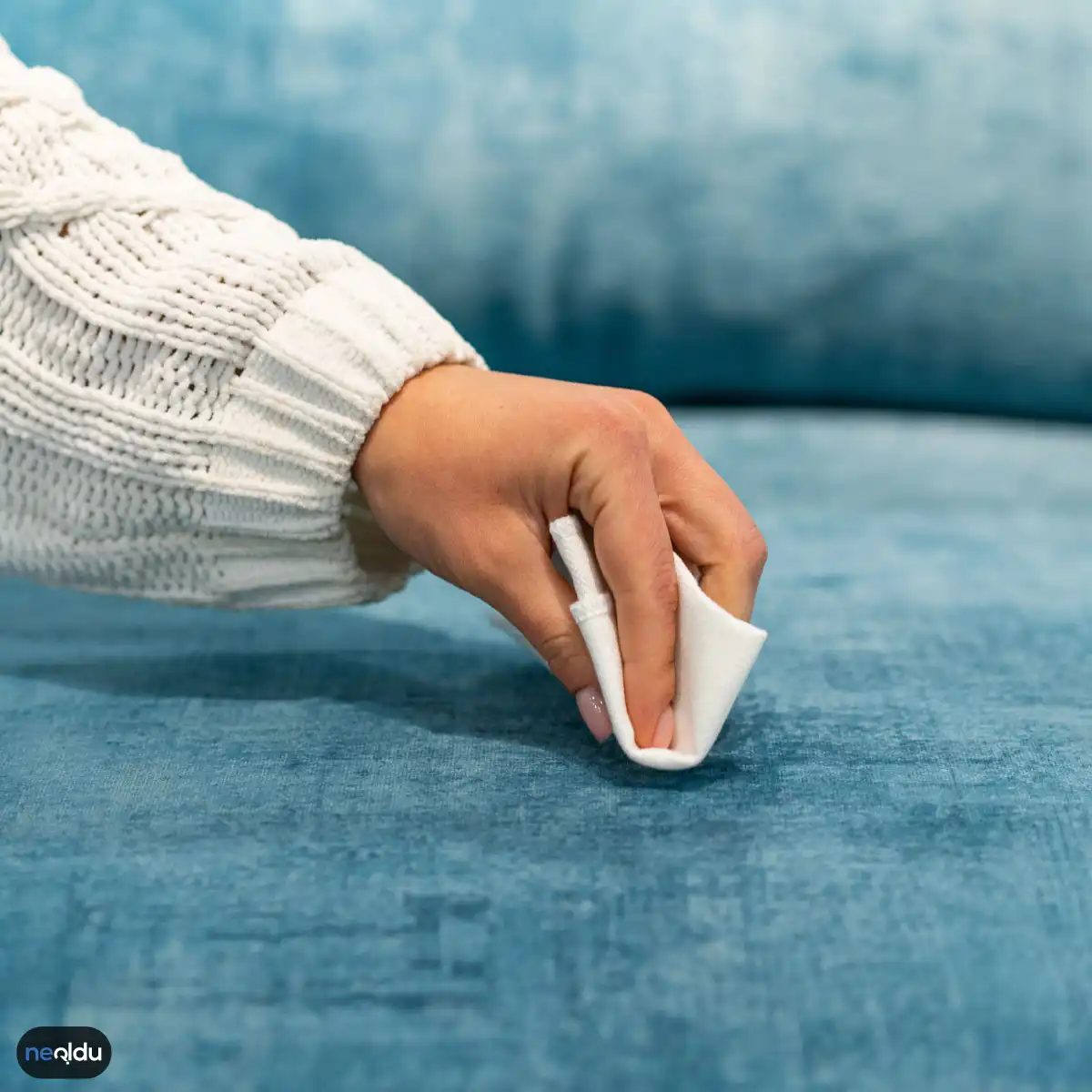
Easy Care and Cleaning
Let’s be honest. You didn’t just buy furniture to watch it gather dust. You bought it to live in it. Which means spills happen. Dog accidents happen. Life happens.
If you have kids or a pet, the fabric choice isn’t just aesthetic. It’s survival.
Stain-resistant materials are non-negotiable here. You need something that wipes clean with a damp cloth. Not a chemical burn. Just a wipe. Microfiber or tightly woven synthetics usually win this battle. Cotton blends? They soak up everything like a sponge. Avoid them if you’re not willing to hand-wash every cushion once a week.
Dust and lint are the other enemy.
Some fabrics attract them. Others just let them slide off. Look for tight weaves. Rough textures trap particles. Smooth surfaces repel them. This means you aren’t vacuuming your sofa daily. You’re doing it monthly. Or less. That’s the win.
Then there’s the cover.
Removable covers change the game entirely. If the fabric is upholstered directly to the frame, you’re stuck. Spot clean only. Once a stain sets, it’s permanent. With removable covers, you toss them in the wash. Many are machine washable. Check the label. Cold water. Gentle cycle. Air dry.
This isn’t just about convenience. It’s hygiene. Allergens build up in deep foam and fixed fabric. A washable cover pulls that dirt away. You sleep better. You sit easier.
But don’t assume all “removable” covers are created equal. Some are tight. Some require a zipper. Some require a screwdriver. Think about the mechanical effort. Do you want to wrestle with a zipper while holding a toddler? Or do you want to just peel it off and toss it?
The latter is easier.
Assembly and Installation Reality
You might think buying furniture means it just sits there. It doesn’t. It needs to get into your house. And into the room.
Check the dimensions. Not just the sofa. The door. The hallway. The elevator. If you live in an apartment building with a narrow staircase, measure the diagonal. Big sectional pieces rarely fit through standard doors without disassembly.
Modular pieces help. They come in smaller chunks. You assemble them inside the room. But even then. Check the weight. Some frames are solid wood. Heavy. Very heavy. You might need a second person. Or a dolly.
Tools required? Usually minimal. An Allen wrench often comes with the package. Maybe a screwdriver. If you’re buying flat-pack, read the instructions before you start. Not after. Especially not when you’re stuck with two legs that don’t fit the holes.
Label everything. If you take the sofa apart for transport, bag the screws. Label the bag. Tape it to the part it belongs to. This isn’t a suggestion. It’s a warning. Do not skip it.

Keeping Your Wallet in Check
Buying a sofa set is one of those big-ticket purchases where emotions run high and receipts run deeper. You can easily get swept up in the drama of fabric swatches and cushion firmness. But before you commit, you need a hard number. A budget.
It’s not about being cheap. It’s about being smart.
Setting a firm limit upfront stops you from spiraling into “just one more option” territory. It forces you to prioritize. Do you want velvet or performance fabric? Tufted or clean lines? The price tag decides what stays and what goes.
The Price-Performance Trap
Here is a hard truth: expensive doesn’t automatically mean better.
Some brands charge a premium for the logo on the tag, not the stitching in the frame. Others hike prices because of imported leather that will crack in three years. You have to look past the sticker.
Look at the frame. Kiln-dried hardwood beats pine every time. Check the joinery. Dowels and glue beat nails. Pull the fabric. Does it pucker? That’s a sign of poor tension and cheap lining.
Find the sweet spot. The best value isn’t always the cheapest option on the rack. It’s the piece that holds up to daily abuse without demanding a replacement in five years.
Hunting for Deals
Retailers love their seasons.
End-of-season sales happen when they need to clear floor space for new inventory. January is often better than December. July works for summer items. But winter sofa sales are real, too.
Don’t ignore holiday weekends. Presidents’ Day. Memorial Day. Black Friday. These aren’t just marketing gimmicks; they’re actual windows where markup drops.
Set alerts. Follow brands on social media. Sign up for newsletters. Sometimes the best coupon code drops via email before it hits the website.
A little patience here saves thousands there.
The Bottom Line
You’re not just buying furniture. You’re buying peace of mind.
Know what you can spend. Know what you’re getting. And don’t let a pretty face trick you into an overpriced job.
The perfect sofa exists. It’s just a matter of finding it before the sale ends.

The Fine Print You Can’t Skip
Warranties aren’t just paperwork. They are a signal.
A long warranty period tells you something about the manufacturer’s confidence. If they back their product for five years, they likely expect it to last. If they offer thirty days, run. This isn’t just about peace of mind. It’s about protection against defects that show up six months after installation.
“A warranty is only as good as the company honoring it.”
Check the terms carefully. Some cover parts only. Others cover labor. You need to know which one you are getting.
Shipping damage is another trap.
Materials arrive at your door. Then they get tossed into a truck. The box might look fine. The contents could be shattered. Ask how the seller packages fragile items. Do they use double-walled cardboard? Do they wrap glass in foam inserts?
If the logistics process is vague, request photos before shipping. Or insist on insured delivery. You don’t want to fight a claim for a cracked tile after it’s been installed.
Installation support varies wildly.
Some brands include professional assembly in the price. Others expect you to hire a contractor. Many expect you to do it yourself. If you buy a complex shelving unit or a built-in appliance, read the fine print.
Does the warranty remain valid if you install it wrong?
Some manufacturers void coverage if you don’t follow their specific mounting guidelines. Request the instruction manual before you buy. If it’s in a foreign language, find a translation app. If the instructions are unclear, ask for additional support.
You need to know who holds the wrench.
- Check coverage details: Parts vs. labor.
- Verify packaging standards: Ask for specifics on fragile items.
- Confirm installation requirements: DIY or professional?
This is where projects go off the rails. Not because the product is bad. But because the expectations were wrong.
You can save money by installing it yourself. But you need to be sure you can handle the tools. You need to be sure the materials are compatible with your space.
One misaligned screw. One missed level. That’s it.
The cabinet door won’t close. The shelf sags.
Read the instructions twice. Measure three times.
The warranty won’t fix a user error.
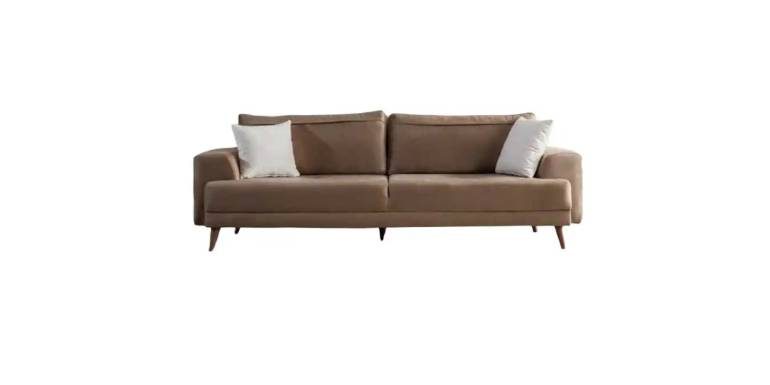
Koltuk Alırken Dikkat Edilmesi Gerekenler
Bir üçlü koltuk yatırımı yaparken sadece estetik değil, işlevsel detaylar da ön planda. Odanızın metrekaresi, kullanım yoğunluğu ve bütçeniz ilk adım olmalı. Rahatlık faktörü uzun vadeli konforun anahtarıdır. Kalitesiz bir dolgu malzemesi zamanla çökerek sırt ağrılarının sebebi olabilir. Bütçenizi gerçekçi belirleyin. Pahalı her şey iyi demek değildir.
Hangi Malzemeler Daha Dayanıklıdır?
Sahra derisi, kadife, keten ve mikrofiber gibi kumaşlar uzun ömürlü seçenekler arasındadır. Ancak tek başına kumaş yetmez. İskelet yapısı belirleyicidir.
* Ahşap iskelet: Ağır yükleri ve günlük zorlamaları daha iyi karşılar.
* Üretim kalitesi: Pervazlar, çapraz bağlantılar ve montaj bütünlüğü dayanıklılığı artırır.
* İşçilik: Dişli bağlantılar ve kaliteli perçinler gevşemeyi önler.
Malzeme tek başına yeterli değildir. İnce işçilik, kaliteyi belirler.
Koltuk Ömrünü Uzatma Yolları
Koltuklarınızın ömrünü uzatmak için rutin bakım şart. Düzenli temizlik, lekelere anında müdahale ve aşırı yük bindirmeme gibi basit adımlar büyük fark yaratır.
1. Vakumlama: Haftada bir kez kumaşın içine gömülen tozu çekin.
2. Leke Müdahalesi: Dökülen sıvıyı hemen silin. Bekletmeyin.
3. Doğru Ürünler: Kumaş türüne uygun temizleyiciler kullanın. Çamaşır suyu gibi sert kimyasallardan kaçının.
4. Aşırı Yük: Koltuğun sınırlarını zorlamayın.
Kumaş mı Deri mi Tercih Etmelisiniz?
Bu sorunun tek bir cevabı yok. Tercih tamamen kullanım alışkanlıklarınıza ve kişisel zevkinize bağlı.
* Kumaş: Geniş renk ve desen seçenekleri sunar. Konfor açısından genellikle daha sıcak ve yumuşak bir his verir. Ancak leke tutma riski daha yüksektir.
* Deri: Daha lüks ve şık bir görünüm kazandırır. Yüzeyi pürüzsüz olduğu için temizlemesi çok daha kolaydır. Sıvı döküldüğünde bezle silmek yeterlidir. Ancak ilk başta soğuk hissedebilir ve güneşe maruz kaldığında çatlayabilir.
Ev ortamınızda kimler yaşıyor? Sıcaklık mı yoksa temizlik kolaylığı mı önceliğiniz?