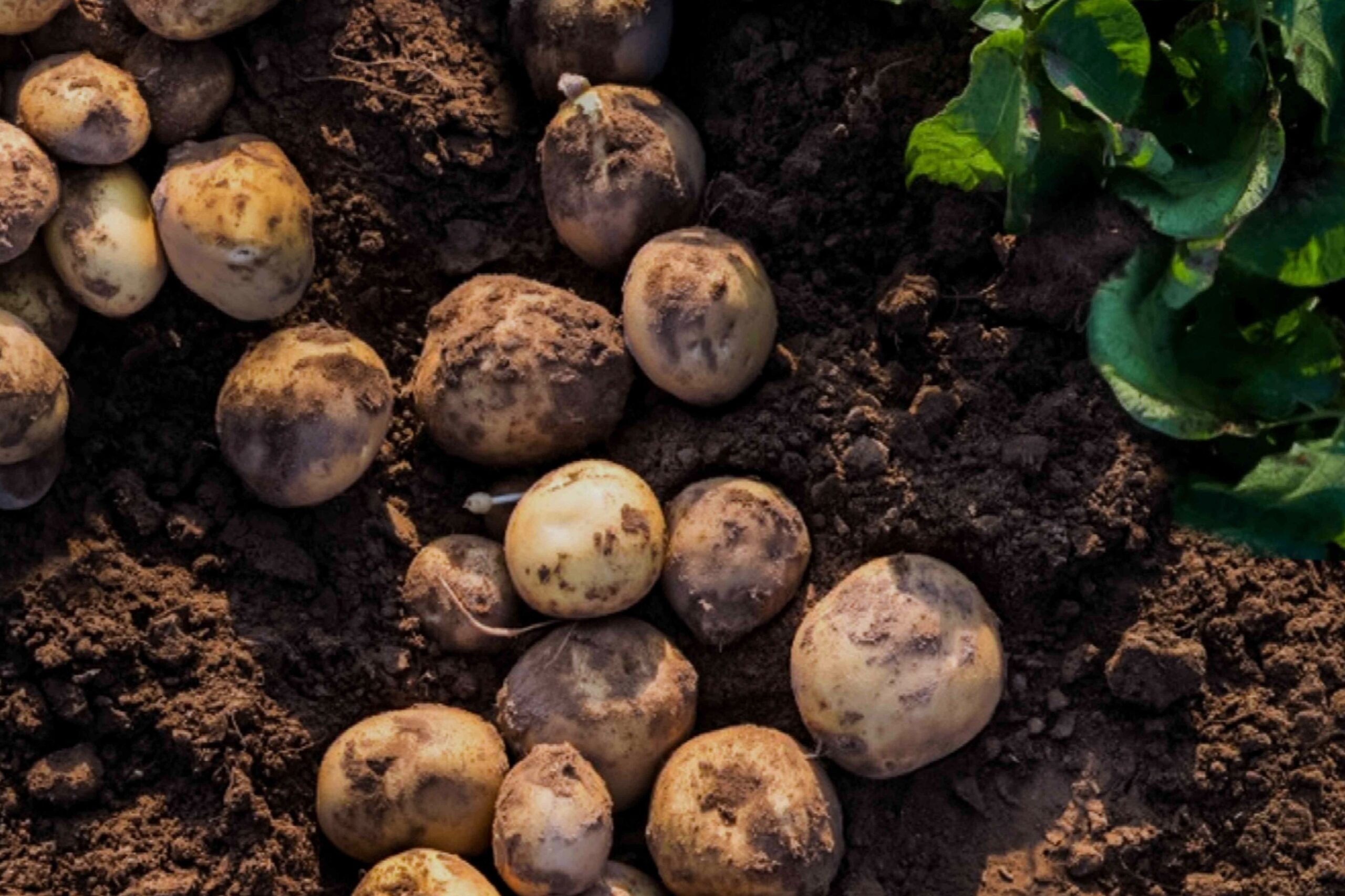
Potatoes are demanding. They take up space underground. They eat soil nutrients. If you just throw them in the dirt, they’ll survive. They won’t thrive.
But they aren’t alone in the garden. Not really.
The secret isn’t what you plant alone, it’s who you plant with.
Companion planting isn’t just hippie folklore. It’s spatial strategy. You put certain species close to others so they cover for each other. One hides a scent. Another pulls up nitrogen. A third sucks up excess moisture from the root zone. In small plots, where every inch counts, this is the difference between a basket full and a handful of sad, shriveled lumps.
Why do we bother?
Pest defense. Some plants smell wrong to the bugs that want to eat your food.
Nutrient cycling. Legumes fix nitrogen. Root crops aerate the dirt.
Space efficiency. Tall stuff sits up; low stuff crawls. They don’t fight.
Sometimes, it’s about taste. Basil near tomatoes? Old wives’ tale to some, but many swear by the flavor shift.
For potatoes, the ground is deep territory. The tubers swell low down. That means your neighbors should mostly live above the line. Let the potato have its dirt. Keep the competition away from the roots.
Here is who wants to be next to your potato patch. And who needs to stay far away.
The Good Company
Beans. Peas. Legumes, generally. They drop nitrogen into the soil for free. Potatoes are hungry. These plants feed the hunger.
Corn. Classic three-sister vibe. Corn stands tall. Potatoes go deep. No resource war.
Horseradish. Weird, right? But yes. It’s believed to boost pest resistance and actually change the flavor profile of the tubers in a good way.
Lettuce. Radishes. Onions. Scallions. Spinach. Shallow roots. Fast growth. They fill the gaps between potato plants while the main crop is still waking up. Once the potatoes hulk up, the lettuce bolts, and the radishes are gone anyway. Efficient turnover.
The Herbs. A whole arsenal.
* Basil. Deters thrips.
* Cilantro and Parsley. Colorado potato beetle repellants. These beetles are the worst. They strip leaves to nothing overnight. Keep these herbs nearby.
* Lovage. Flavor enhancer for root veggies.
* Marjoram and Thyme. Flavor plus pest deterrence. A double duty player.
* Chamomile. Antifungal and antibacterial. Keeps the soil microbiome happy.
Catnip. Not for the garden cats. For the beetles. Colorado potato beetles hate the smell. Plant catnip. Watch the bugs panic.
The Flowers. They look pretty. They also do work.
* Marigolds. Flavor enhancer? Maybe. Pest repellent? Definitely.
* Nasturtiums. Beetles hate them. Aphids hate them. They also make a nice living mulch, shading the soil between potatoes.
* Petunias and Sweet Alyssum. These are bait stations. They attract predatory insects. Bugs that eat the bugs eating your potatoes. Indirect support.
* Yarrow. Attracts good insects. Repels aphids.
* Tansy. Another no-go sign for Colorado potato beetles.
The Bad Neighbors
You know some friends you shouldn’t invite over. Same logic here.
Nightshades. Tomatoes. Peppers. Eggplants. Tomatillos. Okra.
They are family. Which is usually good. Except in botany. They share the exact same diseases. If your potatoes get blight, your tomatoes will likely join the grave. It’s a pathogen party waiting to happen. Plus, they compete for the same resources. Too much alike is a bad thing.
Carrots and Turnips. Deep root competitors. Potatoes already occupy that zone. You create a brawl for space and moisture. Nobody wins. The potatoes might choke out the carrots, or the carrots might stunt the potato growth. Risky.
Cucumbers. Water hogs. Potatoes need steady moisture, but cucumbers will dry out the patch fast. Worse, they can carry blight right into the potato plot. A vector for disaster.
Fennel. It’s a loner. A toxic loner. Fennel releases chemicals into the soil that inhibit potato growth. Don’t do it. It’s just mean to the potatoes.
Squash and Pumpkins. Big leaves. Big appetite. They steal sun and water. They disrupt the root system just by being there. Too aggressive for a delicate tuber crop.
Raspberries. Disease exchange. Potatoes and berries have a lot in common when it comes to pathogens. Planting them next to each other is asking for trouble.
Sunflowers. Root excretions. Some studies suggest sunflowers release allelopathic chemicals that stunt potato growth. Maybe it’s the size difference. Maybe it’s chemistry. Either way, keep the sunflowers at arm’s length.
The Practical Stuff
Sun or shade?
Full sun. At least six hours a day. Potatoes love heat and light. They need energy to fill out the tubers. Shade produces thin, scraggly potatoes.
How often to water?
Not daily. Every few days. You need about an inch of water per week. More if it’s hot. Check the soil. If it’s dry at depth, water it. If it’s wet, leave it. Waterlogged potatoes rot. Fast.
Who to avoid again?
Tomatoes. Fennel. Squash. Carrots. Pumpkins.
Remember, the soil is a conversation. Listen to it. Arrange the voices so they harmonize rather than shout over one another.
Your potatoes are waiting.