Critical First Step: If you see or smell mold, do not test it. The Environmental Protection Agency (EPA) and the Centers for Disease Control and Prevention (CDC) recommend immediate removal and remediation. Testing kits are not necessary when mold is visible and can delay crucial cleanup efforts.
While professional remediation is the gold standard for active infestations, at-home testing and monitoring tools serve a different, valuable purpose: prevention and curiosity. These devices help homeowners understand air quality trends or identify hidden moisture issues before they escalate into full-blown mold problems.
However, it is vital to manage expectations. Homes are not sterile environments; mold spores are ubiquitous in indoor and outdoor air. A positive result from a home kit often reveals normal background spores rather than a dangerous infestation. Without professional interpretation, these results can cause unnecessary alarm.
Below, we break down the best tools for monitoring air quality and conducting limited surface tests, along with essential context on how to use them safely.
Зміст
The Best Tools for Monitoring and Limited Testing
1. Best for Prevention: Airthings Wave Mini
Type: Environmental Monitor | Cost: Upfront device cost (no lab fees)
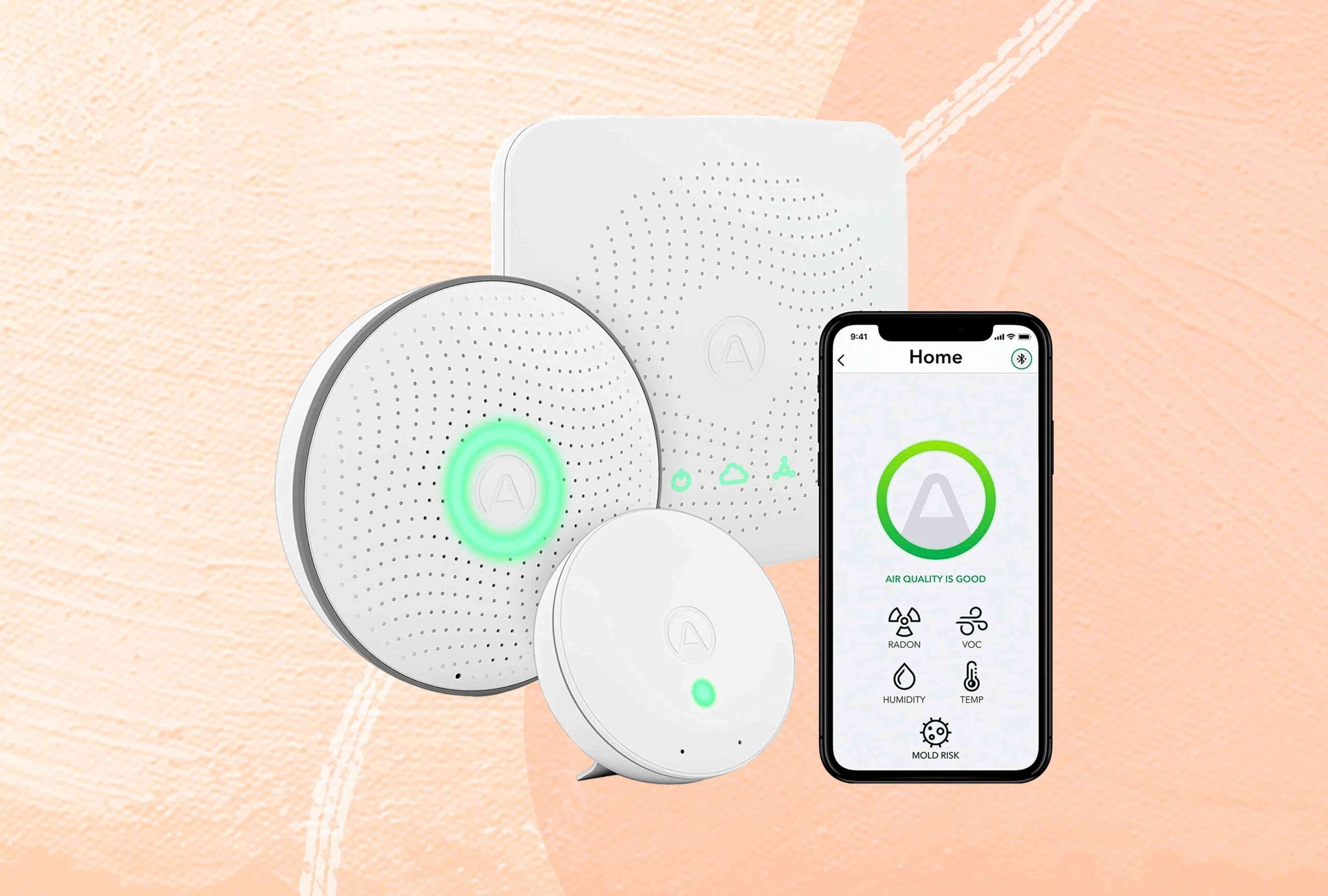
The most effective way to handle mold is to stop it from growing in the first place. Mold requires moisture, warmth, and organic material to thrive. The Airthings Wave Mini does not detect mold spores; instead, it monitors the conditions that allow mold to develop.
- How it works: It tracks temperature, humidity, and Volatile Organic Compounds (VOCs).
- Why it matters: By providing real-time data via an app, it alerts you if humidity levels rise to dangerous thresholds, allowing you to adjust ventilation or dehumidifiers before mold takes hold.
- Pros: Proactive, continuous monitoring, no recurring lab fees.
- Cons: Does not confirm the presence of existing mold.
2. Best for Air Sampling: DIY Labs Air Test Kit
Type: Air Pump & Surface Tape | Cost: Kit + $39 per lab test
For those interested in analyzing the air quality of their home, this kit provides a reusable air sampling pump and supplies for four tests (three indoor, one outdoor). It is designed for users who want to understand what spores are floating in their air compared to outside levels.
- The Process: You use the pump to collect air samples and send them to an AIHA-accredited lab.
- The Cost: The kit price does not include analysis. Each sample costs $39 to process. Testing multiple rooms can quickly become expensive.
- The Result: You receive a color-coded report with basic explanations. While useful for general awareness, it lacks the depth of a professional consultation. A helpline is available for follow-up questions.
- Pros: Reusable pump, AIHA-accredited lab, includes outdoor comparison.
- Cons: High per-test cost, limited customer support, results require interpretation.
3. Best for Surface Spot-Checks: Seeml Labs DIY Test Kit
Type: Surface Tape | Cost: Lab fees included (shipping extra)
If you suspect mold growth on a specific surface—such as a shower tile or a window frame—but are unsure of the type, this kit offers a straightforward solution. Unlike air tests, this is strictly for surface sampling.
- The Process: You use adhesive tape strips to lift samples from three different areas.
- The Cost: Lab analysis fees are included in the purchase price. You only pay for shipping to the lab.
- The Result: Known for quick turnaround times (sometimes same-day), you receive a detailed digital report. A free consultation is available to help interpret the findings.
- Pros: All-inclusive pricing for lab work, fast results, digital report.
- Cons: Cannot test air quality, shipping costs vary.
Understanding Your Options: What to Look For
If you decide to proceed with testing despite the EPA’s recommendation for immediate remediation, understanding the mechanics of these kits is crucial for safety and accuracy.
Test Types: Air vs. Surface
- Air Testing: Uses a pump to pull air through a filter or petri dish. This measures spore concentration in the air but does not pinpoint the source.
- Surface Testing: Uses tape lifts or swabs to collect material from a specific spot. This is more useful for identifying mold on visible surfaces but misses hidden growth behind walls or in ducts.
Result Interpretation: Lab vs. Self-Analysis
We recommend only kits that send samples to an AIHA-accredited laboratory (American Industrial Hygiene Association). Self-analysis kits, which rely on color changes in petri dishes, are prone to user error and misinterpretation. Professional labs provide standardized data, though even their results should be viewed as informational rather than diagnostic.
Safety First
Collecting samples can release spores into the air. If you must sample:
* Wear an N95 mask, gloves, and protective eyewear.
* Work in a well-ventilated area.
* If you feel uncomfortable or have respiratory issues, hire a professional.
Common Questions About Home Mold
Why do home tests often yield “alarming” results?
Homes are not sterile. Mold spores are everywhere in the environment. A home test may detect Aspergillus or Cladosporium, which are common and often harmless in small quantities. Without a professional to contextualize the spore count against outdoor levels, a positive result can seem dangerous when it is actually normal.
How can I tell if mold is hidden behind walls?
Visible signs include water stains, discoloration, or warped drywall. However, the most reliable indicator is often your nose. Mold produces a distinct musty, damp odor. If you smell this but see no visible mold, the issue is likely behind walls or under flooring, requiring professional inspection.
How do I know if remediation was successful?
After repairs, the mold should no longer be visible, and the musty odor should be gone. For sensitive individuals, the absence of allergic reactions (sneezing, wheezing) in the treated area is a strong indicator that the problem has been resolved.
What are the most common household molds?
According to Dr. John Balmes, a professor of environmental health sciences at UC Berkeley, common types include Aspergillus, Cladosporium, and Stachybotrys atra (black mold). They thrive in damp, humid areas like basements, showers, and around HVAC units.
Final Verdict
At-home mold testing kits are not replacements for professional assessment. If you have visible mold, prioritize removal. These kits are best suited for homeowners who want to monitor environmental conditions to prevent future growth (like the Airthings Wave Mini) or those seeking limited data on surface contaminants while waiting for professional help.
Key Takeaway: Use monitors to prevent mold, and professionals to remove it. Testing is a tool for curiosity and prevention, not a diagnostic substitute for expert remediation.