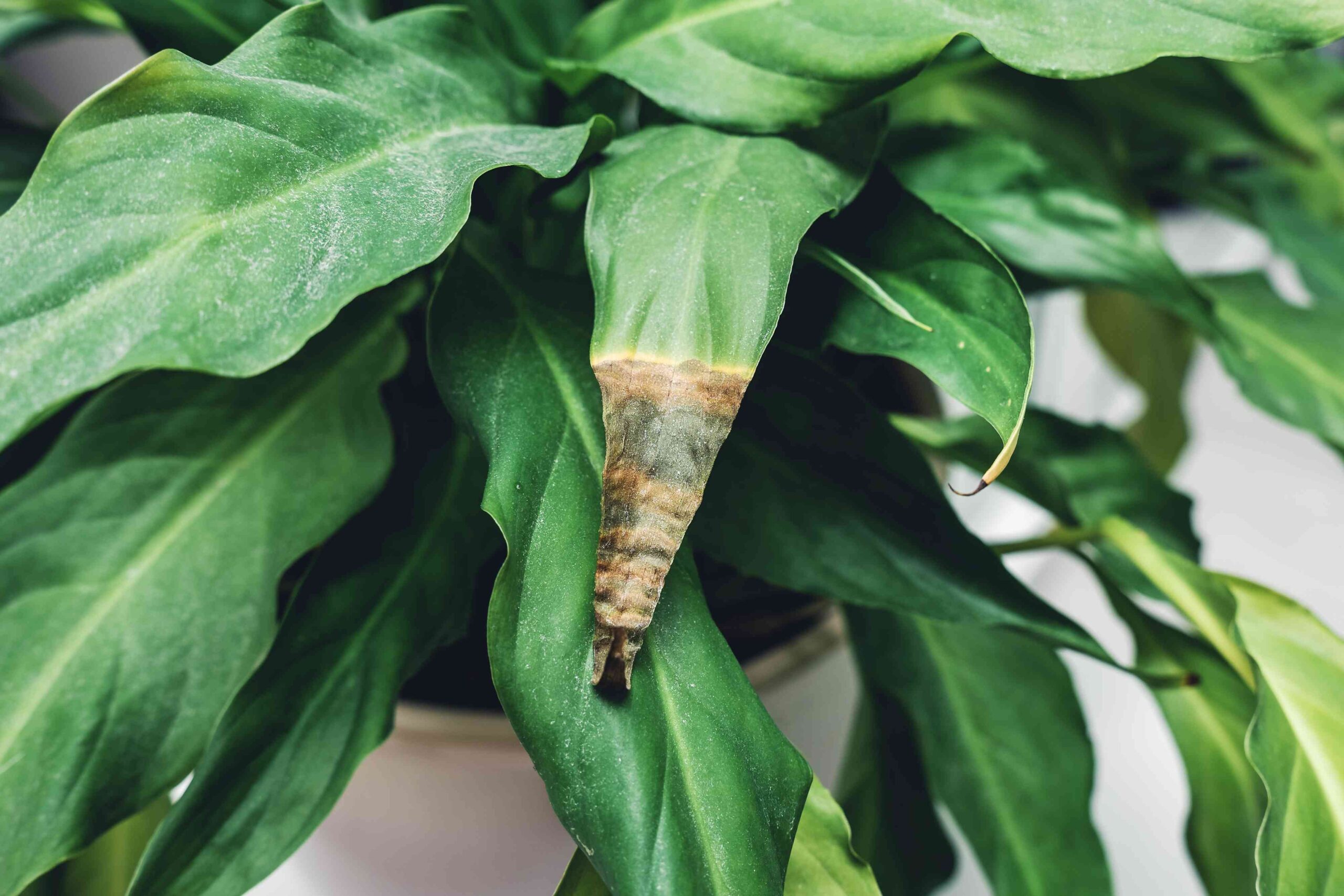
It looks dramatic. That glossy, green peace lily in the corner? Now it’s charcoal. Creepy. But before you write a eulogy, check your hands. Did you water it too much? Or maybe you’re holding it hostage in a frozen hallway?
These plants are easy. They’re almost too easy, which is why we ruin them with care. Experts point to a handful of culprits for those blackening leaves. Here’s what’s actually going on.
Зміст
Drowning in Care
Overwatering is the villain. The biggest one. Peace lilies don’t want a swamp; they want a sip. They hate having wet feet. If you’re dumping water on them every other day just to keep them company, you’re killing them.
Ellie Longfellow Bilodeau at Longfellow’s Greenhouse says it all. Overwatering causes the black leaves she sees most often. Her advice? Stick your finger in the soil. If it feels moist, stop. Wait a few days. Check again. Let it breathe.
Overwatering is the number one cause I most frequently see.
The Drain Problem
You can water correctly and still fail. How? By putting the plant in a pot without holes. No drainage means no escape for excess water. Root rot sets in. The roots suffocate, turn black, and the leaves follow.
Bilodeau warns that even with careful watering, poor drainage will drown the plant. Fix it. Use a pot with holes. Throw some pebbles in the bottom to keep the dirt from clogging the exit. It’s a simple fix for a stupid problem.
It’s Too Cold
Remember, these babies come from tropical rainforests. Not from your drafty entryway in January. They want 65 to 80°F. They do not want the blast of your air conditioner. Or the icy wind seeping under a door.
Temperatures dropping below 50°F? Damage occurs. Frost? Fatal. If your peace livery is sitting near a cold window, the leaves will turn black before they die. Move it.
Fungus Among Us
Sometimes the issue isn’t you, but a bug in the system. Specifically, fungus. Excess moisture plus poor air circulation equals a fungal party. One common guest is Anthracnose, or leaf spot. It starts as dark spots. They turn black. Sometimes a yellow halo rings them like a badge of shame.
Bilodeau says the fix is aggressive. Cut the affected leaves. Use clean tools. Don’t spread the infection. Let the soil dry out completely between waterings. If it gets bad, grab a fungicide made for houseplants.
Old Age is Beautiful (Usually)
Here is the curveball. Sometimes, it’s normal. Peace lilies are evergreen, sure, but individual leaves age. Susie Curtis at Johnsons Seeds notes that as new growth appears, old leaves turn brown. Dark brown. Not jet black, though the distinction can be blurry in a dark room.
It’s natural renewal. If one or two leaves look tired and brownish, snip them at the base. Sharp scissors, clean blades. But if the whole plant is turning black while it ages? Something else is wrong. Keep looking.
Trapped Roots
Out of space. That’s the final reason. A pot that’s too small is a prison for the roots. When the plant outgrows its container, it can’t pull water or nutrients from the compost. The lush, deep green leaves lose their shine. They discolor. They blacken.
Curtis recommends repotting. Do it every year or two. Give the roots fresh earth and more room. It’s a fresh start. The plant will bounce back, usually quickly, if you’ve caught it in time.