The global technology landscape is undergoing a profound transformation. As we move through 2026, the hierarchy of the tech industry is no longer defined solely by hardware or software, but by the ability to harness Artificial Intelligence (AI) and Cloud Infrastructure.
The following companies represent the pinnacle of market capitalization and influence, serving as the foundational pillars for the modern digital economy.
Зміст
The AI Hardware Engine: Nvidia
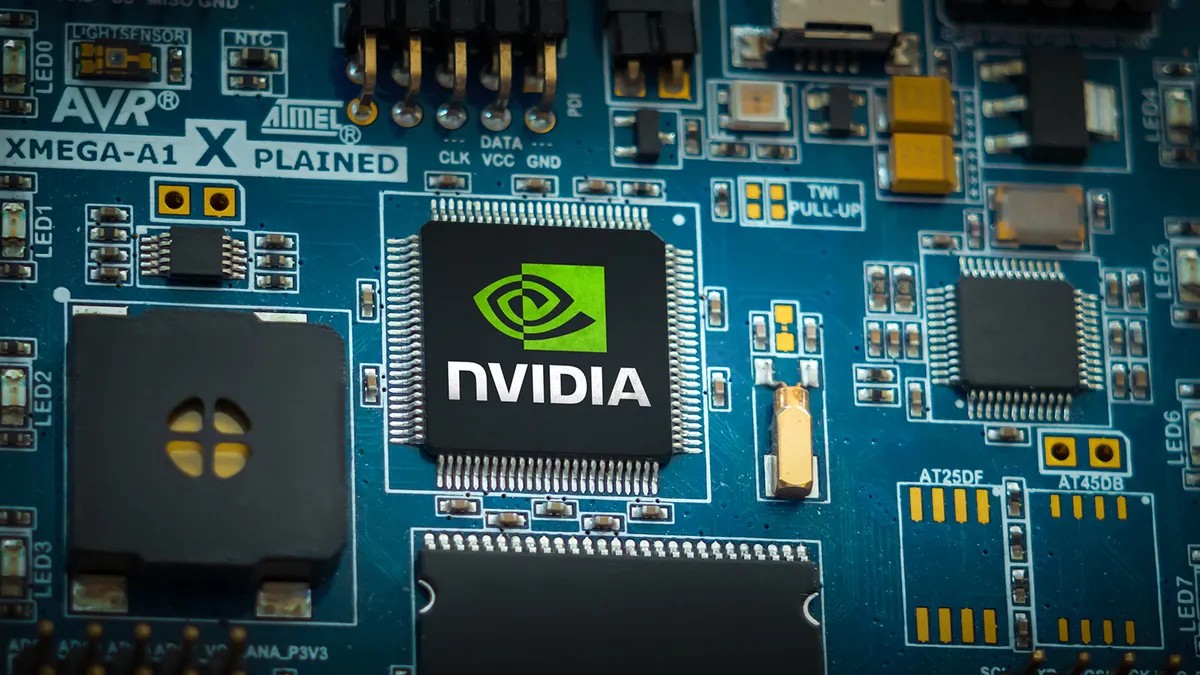
Nvidia has achieved a historic milestone, reaching a market valuation of approximately $4.48 trillion. This ascent marks one of the most significant shifts in tech history: the transition from gaming-centric hardware to the backbone of global intelligence.
- The Driver: Nvidia’s dominance is rooted in its specialized semiconductor designs. Their Graphics Processing Units (GPUs) are the essential “engines” required to train and run complex AI models.
- Why it matters: Without Nvidia’s chips, the current AI revolution would lack the computational power to function. They have effectively become the primary supplier for the world’s data centers and cloud platforms.
The Data and Search Giants: Alphabet and Meta
Information is the currency of the digital age, and two companies hold the keys to the world’s largest datasets.
Alphabet (Google)
With a market cap of roughly $4.05 trillion, Alphabet remains the undisputed leader in digital information.
* Core Strengths: Beyond its dominance in online search and digital advertising, Alphabet is leveraging its massive datasets to fuel its AI development.
* Cloud Growth: The Google Cloud platform has become a critical enterprise tool, providing the scalable infrastructure businesses need to host their own digital operations.
Meta
Formerly Facebook, Meta continues to dominate the social media landscape through its advertising-driven model.
* Strategic Pivot: Meta is aggressively investing in both Virtual Reality (VR) and Large Language Models (LLMs).
* The Goal: By integrating AI into its social platforms, Meta aims to redefine how billions of users interact with digital content and each other.
The Ecosystem and Software Powerhouses: Apple and Microsoft
While some companies provide the “brains” (AI) or the “fuel” (Data), these giants provide the essential interfaces and operating environments for the world.
Apple
Valued at nearly $3.9 trillion, Apple maintains its status through a tightly integrated ecosystem of hardware and services.
* Consumer Dominance: From smartphones to wearables, Apple controls the physical touchpoints of the digital world.
* The AI Integration: Apple’s current strategy focuses on the seamless integration of AI into its existing hardware, ensuring that high-level computing remains accessible and user-friendly for the average consumer.
Microsoft
Microsoft has successfully positioned itself as the indispensable partner for the modern enterprise.
* Cloud Leadership: Through Azure, Microsoft remains a dominant force in cloud computing, trailing only Amazon in scale but leading in enterprise software integration.
* AI Embedding: By embedding AI tools directly into its productivity software, Microsoft has turned artificial intelligence into a practical, daily utility for businesses worldwide.
The Infrastructure Hybrid: Amazon
Amazon occupies a unique position by blending consumer-facing retail with high-margin industrial technology.
* AWS (Amazon Web Services): This division is the company’s profit engine, providing the cloud infrastructure that powers much of the internet.
* Logistics and AI: Amazon is increasingly using AI to optimize its massive logistics network, bridging the gap between digital commerce and physical delivery.
Summary: The tech giants of 2026 are defined by a symbiotic relationship: Nvidia provides the chips, Amazon and Microsoft provide the cloud, Alphabet and Meta provide the data, and Apple provides the interface. Together, they form a closed loop of intelligence, infrastructure, and consumption.