


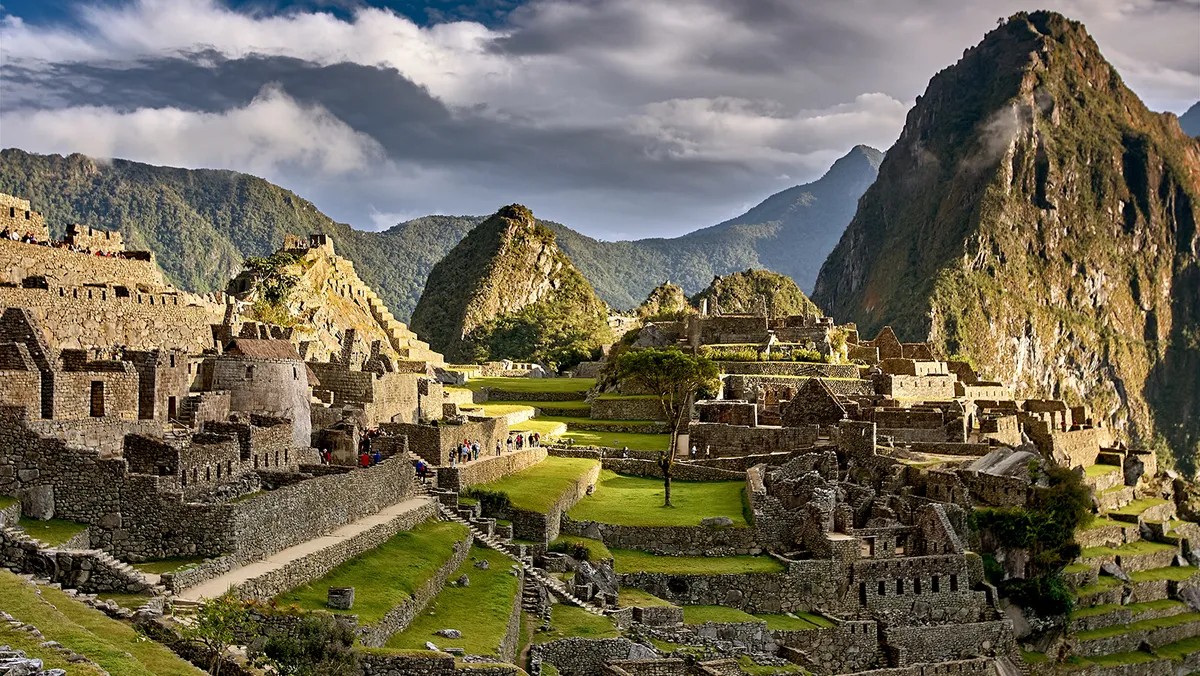
The Inca Empire, once the largest in pre-Columbian America, vanished with astonishing speed. Its swift downfall wasn’t due to a single cause, but a brutal convergence of internal strife, devastating disease, and the calculated arrival of Spanish conquistadors. Understanding this collapse requires looking beyond battlefield victories to the deeper fractures within the Inca state.
Зміст
The Empire at Its Zenith
By the early 16th century, the Inca ruled over a vast territory stretching from modern Ecuador to northern Chile, unified by a sophisticated bureaucracy, an extensive road system, and a formidable army. The Sapa Inca, ruling from Cusco, commanded an empire that integrated millions across the Andes – a testament to Inca organizational strength. The Inca civilization had already united the populations near Lake Titicaca, the Ecuadorian coast, and Peru.
A Succession Crisis and Civil War
The empire’s stability began to unravel with the death of Emperor Huayna Capac, likely from smallpox – a European disease that arrived via trade routes before the Spanish conquest. His death triggered a brutal succession struggle between his sons, Atahualpa and Huáscar. The resulting Inca Civil War fractured leadership, depleted military resources, and fatally weakened the empire’s foundations. While Atahualpa ultimately prevailed, the conflict left the Inca vulnerable.
The Spanish Arrival and Atahualpa’s Capture
Francisco Pizarro and a small band of Spanish conquistadors arrived in northern Peru during this moment of chaos. Though vastly outnumbered, they possessed superior weaponry – steel swords, firearms, and horses – that gave them a decisive edge. More critically, they brought diseases to which the Inca had no immunity. Smallpox had already swept through the empire, decimating the population and eroding resistance.
The turning point came with the capture of Atahualpa at Cajamarca. Despite paying an enormous ransom in gold and silver, Pizarro had him executed. This act shattered centralized authority, leaving the empire leaderless and directionless.
Expansion of Spanish Control
Following Atahualpa’s death, Spanish control expanded rapidly. Pizarro marched on Cusco, the Inca capital, installing puppet rulers and establishing settlements like San Miguel. The Spanish claimed land, labor, and resources in the name of their king, exploiting the fractured political landscape.
The conquest was not solely a European effort. Many Indigenous groups, resentful of Inca rule, allied with the Spanish, providing manpower, local knowledge, and vital support. This internal collaboration was crucial to Spanish success against a numerically superior Inca army.
Final Resistance and Collapse
Inca resistance didn’t vanish immediately. Manco Inca Yupanqui led a major rebellion, attempting to retake Cusco, but failed. He then established the Neo-Inca State in remote regions, prolonging the struggle for decades before the final collapse. The last Inca emperors continued resistance, but the empire was irreparably broken.
The Inca Empire’s fall serves as a stark reminder that even the most powerful states can crumble under the weight of internal division, biological warfare, and opportunistic invasion. The speed of its demise underscores the fragility of empires when confronted with a confluence of destabilizing factors.


