


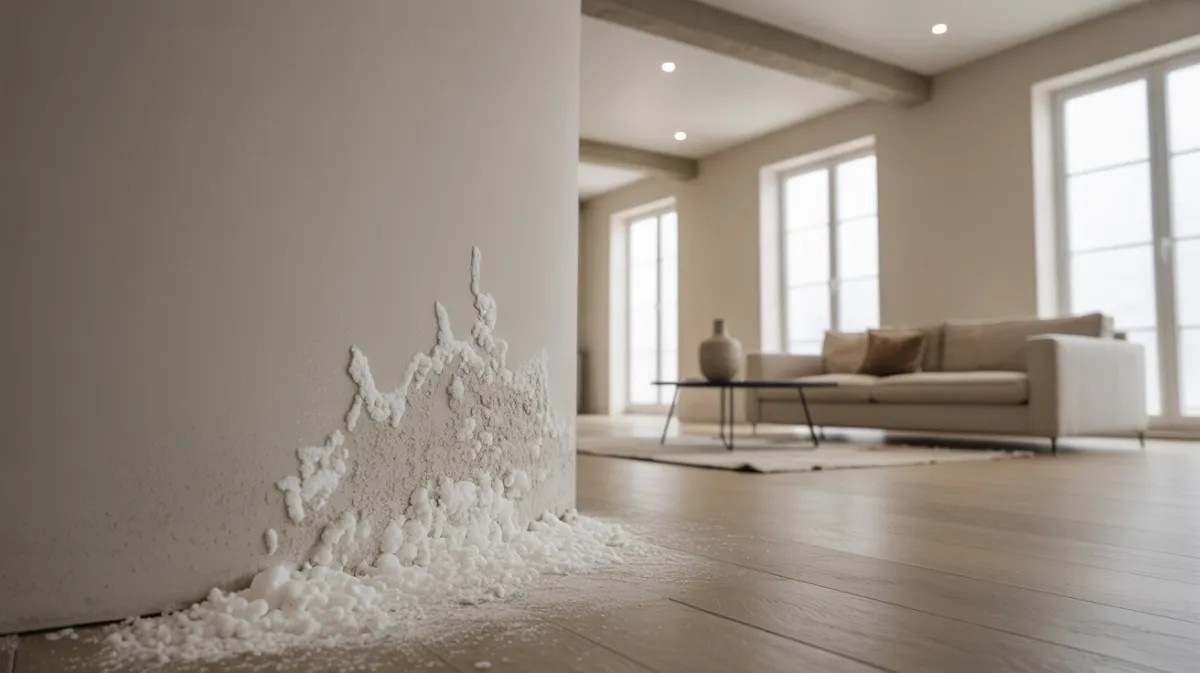
One of the most frustrating problems for building owners and engineers is water leakage that appears only during certain times of the year, then vanishes completely. A damp patch in the monsoon season might disappear in summer, or water stains visible in winter might dry up without any repairs. This intermittent behavior often leads to misdiagnosis, delayed action, and ineffective fixes.
Seasonal leakage isn’t random. It’s driven by predictable changes in weather conditions, groundwater levels, and even the building’s own movement. Ignoring these patterns leads to temporary solutions that fail when the seasons change again. Understanding why leakage behaves seasonally is critical for lasting repairs.
Зміст
What Is Seasonal Leakage?
Unlike continuous leaks from broken pipes, seasonal leakage depends on external triggers like heavy rainfall, humidity, temperature fluctuations, groundwater levels, and wind direction. When these triggers disappear, the leakage stops, creating a false sense of resolution. This makes it harder to diagnose but doesn’t mean the underlying problem is solved.
The 8 Common Drivers of Seasonal Leakage
Here’s a breakdown of why buildings leak seasonally:
- Rainfall Intensity: Light rain may not penetrate defects, but prolonged or heavy downpours can force water through cracks and porous materials. This explains why leaks often appear only during monsoon seasons. Roofs, terraces, external walls, and balconies are especially vulnerable.
- Groundwater Levels: Rising groundwater during wet seasons pushes water into basements, foundations, and lower floors through construction joints or cracks. When groundwater drops, the pressure reduces, and leakage stops. Buildings near water bodies or in low-lying areas are at higher risk.
- Thermal Movement: Buildings expand in heat and contract in cold, opening and closing microcracks in concrete and masonry. This movement allows water ingress during rain in colder months and closes these cracks in warmer temperatures.
- Wind-Driven Rain: Wind forces rain horizontally, driving water into facade joints, window frames, and cladding. Walls exposed to prevailing winds leak, while others stay dry. When wind direction shifts, leakage patterns change accordingly.
- Vapor Condensation: Dampness isn’t always liquid water. In humid seasons, warm air condenses on cold surfaces, creating damp patches that disappear when humidity drops. This is often mistaken for waterproofing failure.
- Roof Waterproofing: Waterproofing layers expand and contract with temperature changes, and minor defects become active during rainy seasons. Standing water and thermal cycling activate weak points, leading to leaks after continuous rain.
- Sealant Aging: Sealants around windows and joints harden and shrink over time. Wet or cold conditions open these joints, allowing water ingress, while dry conditions keep them closed.
- Plumbing Effects: Stress on plumbing joints increases during peak usage (like summer), and cold pipes may sweat in humid seasons, creating temporary dampness.
Why Seasonal Leakage Is Misdiagnosed
The biggest issue is inconsistent visibility. Engineers inspecting during dry periods may find no active leakage, leading to short-term fixes like patching damp spots without addressing the root cause. Ignoring rainfall data, groundwater levels, and thermal patterns guarantees the problem will return.
How to Investigate Effectively
- Time Your Inspections: Conduct inspections during or immediately after leakage events.
- Gather Data: Study rainfall history, groundwater levels, wind direction, and temperature patterns.
- Use Tools: Moisture meters, thermal imaging, and water tests help trace water paths.
- Understand the Timing: Knowing when leakage occurs is as important as where it appears.
Long-Term Solutions
Lasting repairs require addressing the root causes, not just the symptoms:
- Improve Drainage: Reduce water accumulation around the building.
- Strengthen Waterproofing: Replace failing layers instead of patching.
- Allow for Movement: Design for thermal expansion and contraction.
- Manage Vapor: Install proper barriers and ventilation.
- Relieve Pressure: Use drainage systems to reduce hydrostatic pressure.
Seasonal leakage isn’t a random event; it’s a predictable response to environmental forces. Ignoring these forces means repairs won’t last.
The key takeaway: seasonal leakage is not a temporary issue. It’s a sign of underlying vulnerabilities that require a thorough, data-driven approach to fix correctly.


