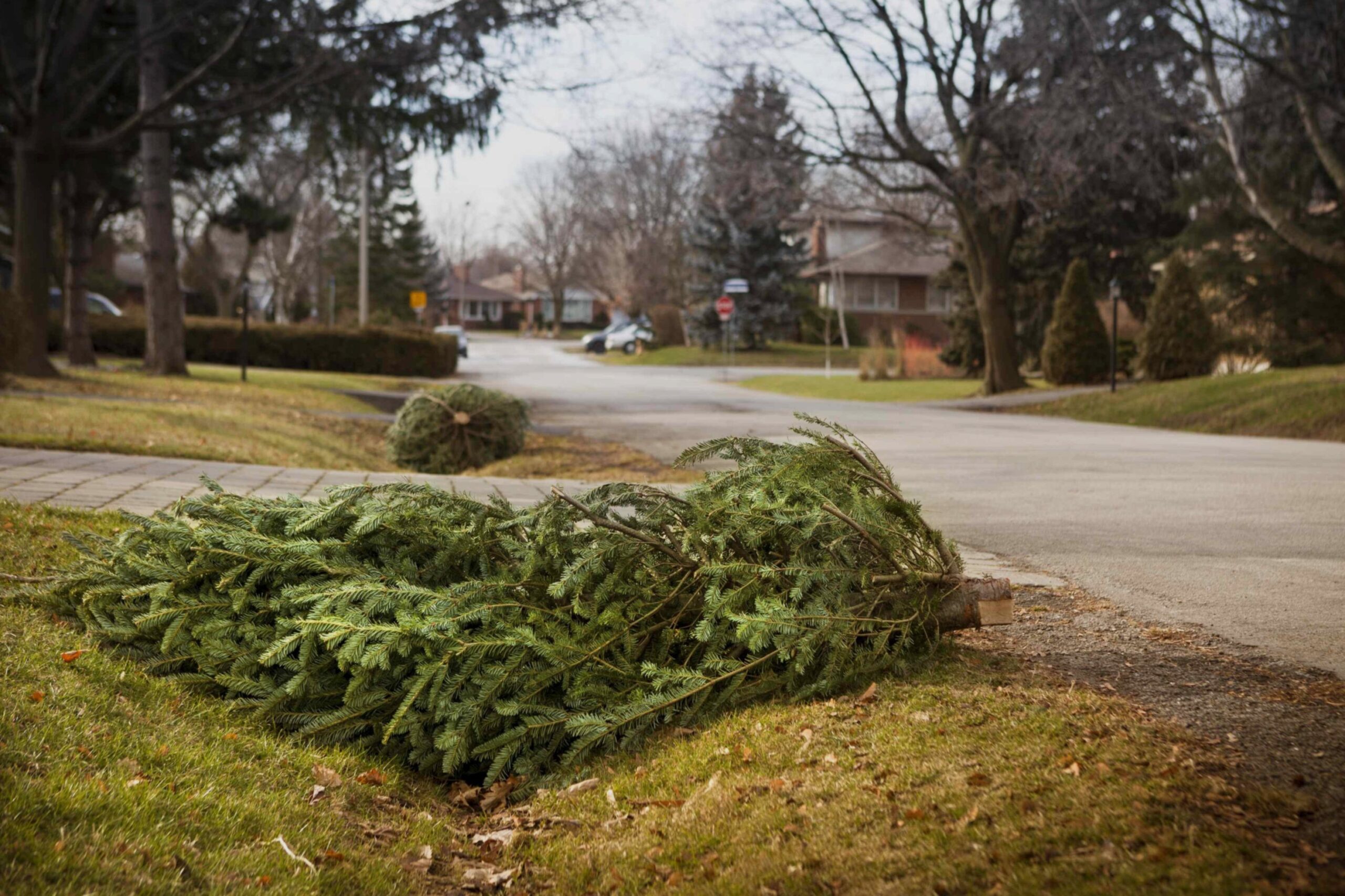
Composting your Christmas tree is a sustainable way to handle the holiday greenery, but simply tossing it into the pile won’t cut it. The key to successful composting is breaking down the tree into manageable pieces first. Ignoring this step can lead to slow decomposition and an inefficient compost system.
Зміст
Why Pre-Processing Matters
Whole Christmas trees decompose slowly due to their dense, woody structure. Leaving it intact overwhelms the composting process, delaying breakdown and potentially creating anaerobic conditions. Speeding up decomposition requires physical preparation. The goal is to maximize surface area, allowing microbes to work more efficiently.
Methods for Breaking Down Your Tree
There are several approaches to disassemble your Christmas tree:
- Hand Tools (Loppers & Saw): A labor-intensive but effective method. First, use loppers to remove branches, then cut them into smaller segments. Finish by sawing the trunk into manageable pieces.
- Power Tools (Chainsaw & Pruners): Chainsaws handle the bulk of the cutting, but pruners are better for trimming branches into small enough pieces. This combines efficiency with precision.
- Wood Chipper: The fastest option, though it requires renting equipment. A wood chipper shreds the entire tree quickly, eliminating manual labor.
Optimizing Compost Conditions
Once the tree is broken down, proper compost management is crucial:
- Browns and Greens Ratio: Maintain a 3:1 ratio of “browns” (woody materials like tree pieces, leaves, paper) to “greens” (grass clippings, kitchen scraps). This ensures a balanced microbial environment.
- Moisture Control: Keep the pile consistently moist—like a wrung-out sponge. Dry piles decompose slowly, while waterlogged piles become anaerobic.
- Regular Turning: Turn the pile regularly to aerate it and redistribute materials. This moves slower-decomposing outer layers to the warmer, more active center.
The “Greens” and “Browns” Misconception
The terms “greens” and “browns” are functional, not literal. Evergreen needles, despite being green, are classified as “browns” due to their waxy coating. Over 10% evergreen content can slow decomposition.
Alternative Uses for Your Christmas Tree
If composting isn’t ideal, consider these alternatives:
- Mulch: Shredded tree material makes excellent mulch for garden beds.
- Winter Protection: Lay boughs over perennials to shield them from cold and wind.
- Bird Cover: Place the tree near feeders to provide birds with shelter from predators.
Ultimately, proper preparation and management are essential for composting a Christmas tree effectively. Whether you choose manual labor or mechanical assistance, breaking down the tree first ensures a faster, more sustainable outcome.