Choosing the right bulb isn’t just about preference. It’s about keeping your house from catching fire.
Most people just reach for a replacement that looks right. They don’t read the box. That’s a mistake. Fixtures have limits. Ignoring them means melted wires, scorched framing, and a lot of expensive damage.
The Heat Problem
Wattage is power consumption. Simple. When you screw in a bulb, electricity flows into it. That flow generates heat.
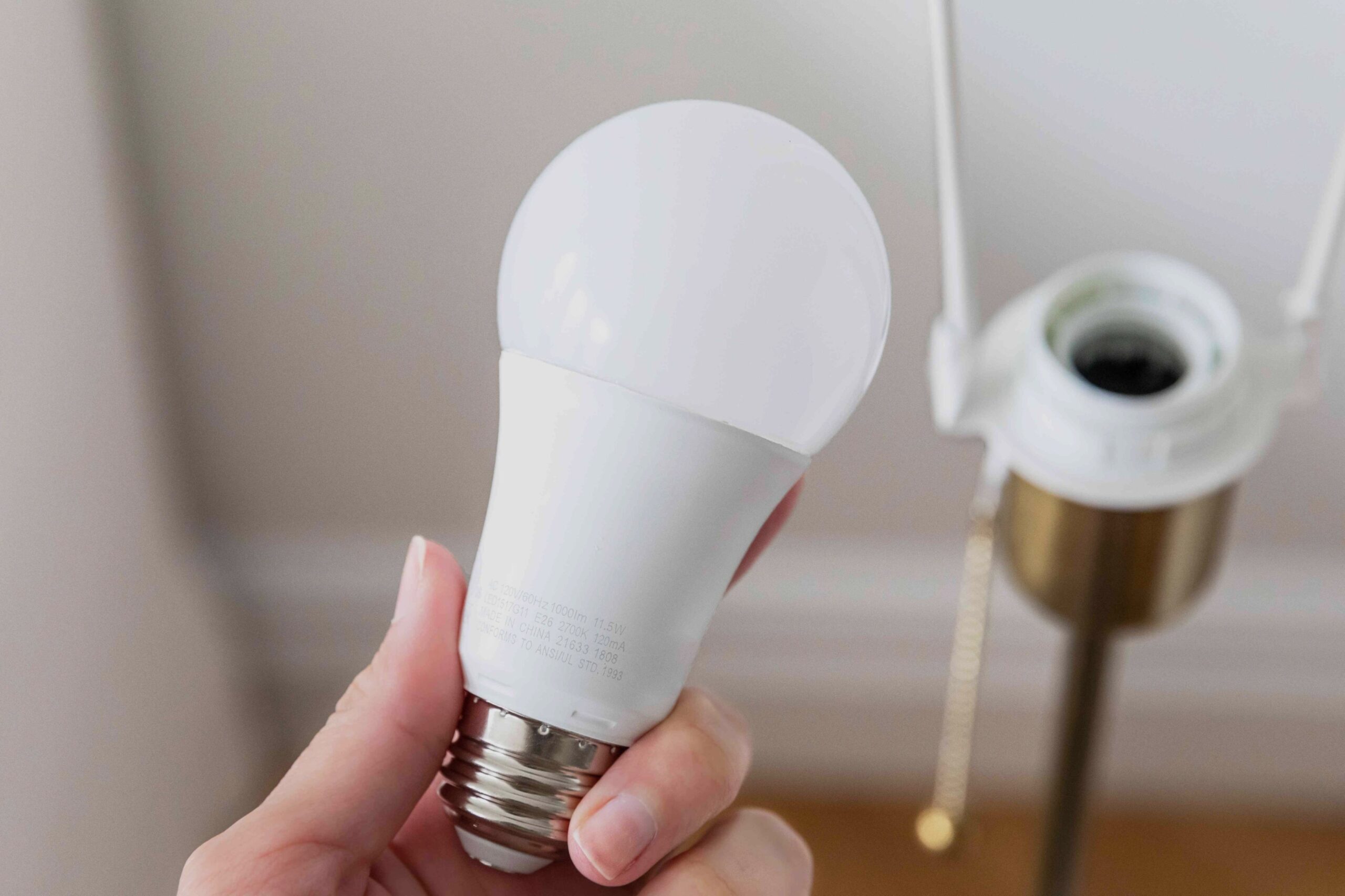
Standard household bulbs usually run between 8 and 60 watts. You can see this number on the metal base, right near where you screw it in.
Every lamp in your home is part of a circuit. Lamps, sconces, recessed cans. They all have a maximum rating. Why? Because their wires can only handle so much current before they start cooking.
Exceed that limit? The fixture gets hot. The cord insulation melts. If it’s a recessed light, the wood framing behind the drywall catches fire. Not pretty.
Safety isn’t an afterthought. It’s the primary function of that little sticker on your lamp socket.
Bulbs Are All Different
Here is the catch. Not all watts are created equal.
We used to only have incandescent bulbs. Then halogen came along. Then CFLs. Now LEDs. They might all fit in the same socket, but they burn completely differently.
Brightness is measured in lumens, not watts.
Think of lumens as the output and watts as the cost. Different bulb types deliver very different amounts of light for every watt of power they eat.
Here is how they stack up:
- Incandescent: 14 lumens per watt
- Halogen: 25 lumens per watts
- CFL: 63 lumens per watts
- LED: at least 74 lumens for the watts
Look at that spread.
An old-school bulb is inefficient. An LED is efficient. Which is better for your wallet? Obviously. Which is better for the heat load in your ceiling? Also obvious.
The text ends before providing a conversion chart. So we are left with the principle: check the lumen requirement first, then pick the tech that gets you there without blowing your circuit breaker.
Or at least… keep an eye on that heat.