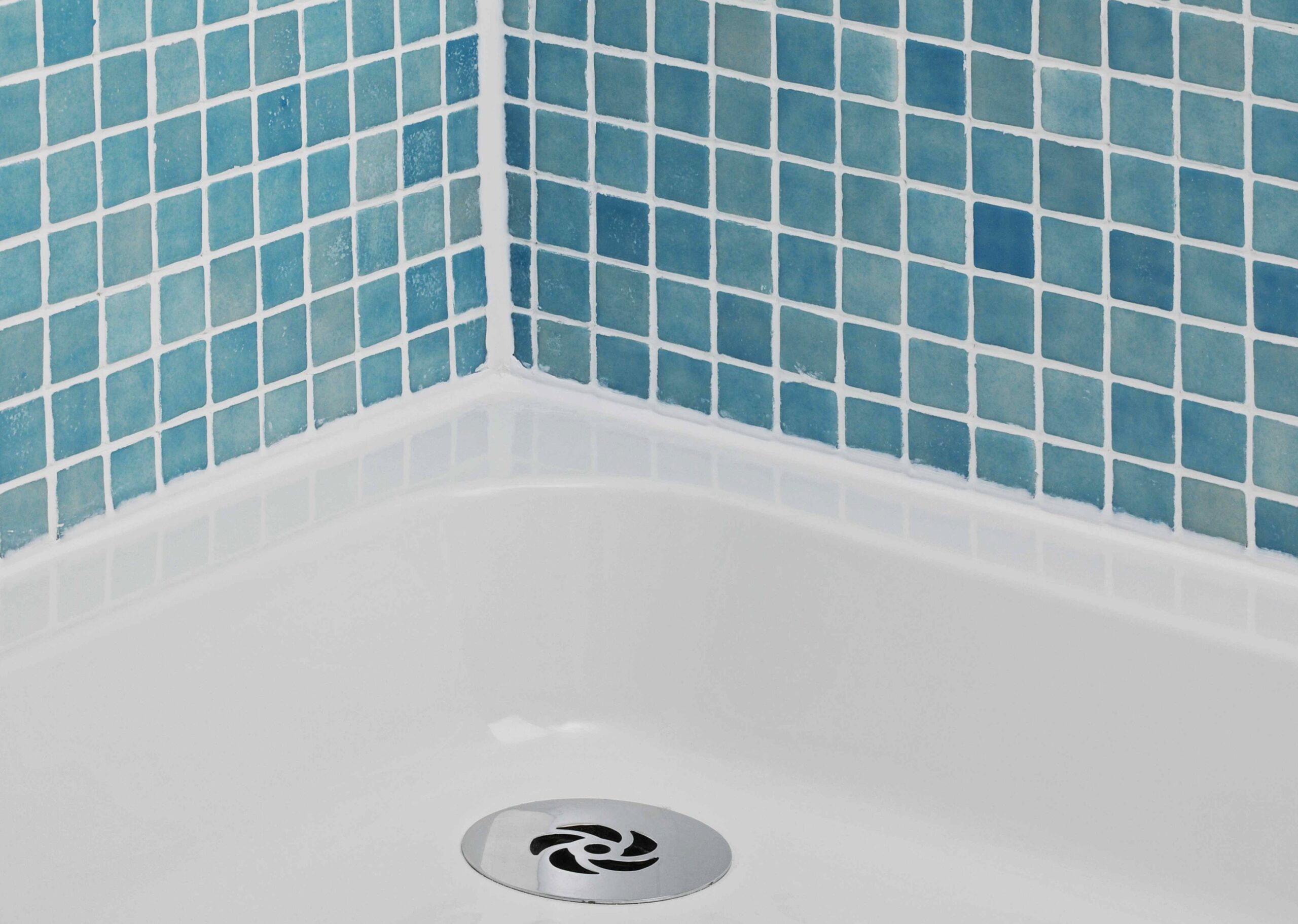
You’re stepping into a lukewarm puddle. Your feet are cold. The water is fighting its way down a drain that seems to have turned into a sponge.
It happens at the worst time. Always.
The fix isn’t a $50 bottle of industrial-grade caustic gel. It’s not a snake that costs more than your groceries. It’s two things.
A hair catcher. And a monthly flush with baking soda and white vinegar.
Martha Gonzalez, founder of Sparkly Maid San Diego, is blunt about this: skipping the hair catcher is “irresponsible.” You can pour chemicals down the pipe all day. But if hair isn’t caught at the source, those chemicals are just washing away while the blockage waits below.
Here is the actual routine. No fluff. No expensive equipment. Just prevention.
Зміст
The Two-Step Prevention Routine
Gonzalez’s method relies on consistency. It’s not one and done. It’s a rhythm.
Step 1: The Hair Catcher
This is non-negotiable. You need a flat silicone catcher that sits flush against the bottom of the drain.
Why flat? Because raised catchers trip people. They’re also harder to clean. The flat kind covers the entire perimeter, grabbing hairs that slip past the surface.
If you want to go a step further? Brush your hair before you get in. Less loose hair entering the system means less work for you later.
Step 2: The Monthly Flush
Once a month, you break up the gunk. Not to fix a clog, but to prevent one from ever forming.
Here is the exact process Gonzalez recommends:
- Pour half a cup of baking soda down the drain.
- Immediately follow with half a cup of white vinegar.
- Cover the drain. Use a hair catcher or a towel. Keep it sealed for five minutes to let the reaction work.
- Turn on the shower. Run the hottest water possible for two to three minutes. This agitation loosens soap scum before it hardens.
It sounds basic because it is. Chemistry and heat are cheaper than plumbing calls.
When to Clean Your Drain
You don’t just do this once a year. Frequency matters depending on your household.
Monthly Standard
Stick to the monthly flush. That’s the baseline.
Every 2-3 Weeks
Adjust if:
– More than one person uses the shower.
– Someone in the house has long hair.
– Your water is hard (high mineral content).
If the water starts draining slower than usual? Don’t wait for the calendar. Flush it then.
Weekly Inspection
Make it part of your bathroom cleaning routine. Look at the entrance of the drain opening. Is there a clump? Pull it out.
It should take less than 30 seconds.
Removing dirt, loose strands, or stray bits of tissue now prevents them from weaving themselves into a mat downstream. That mat is what creates the clog.
After Every Shower
Run the hot water for two to three minutes at the end of your shower.
This keeps soap and conditioner residue from cooling and sticking to the pipe walls. It flushes it out while the pipes are still warm and flexible.
And yes. Empty the hair catcher after every shower. Or every two showers if your hair is short. Leaving it full is just setting yourself up for failure.
Mistakes That Make Clogs Worse
Most people make these errors. They think they’re helping. They’re not.
Chemical Drain Cleaners
Gonzalez sees this constantly in older homes. Pouring lye or sulfuric acid into a slow drain feels like a solution. It’s not.
It degrades pipe walls. It corrodes metal. It eats away at the rubber seals in the drain assembly. You might clear the immediate blockage, but you’re damaging the infrastructure. The repair cost later is astronomical compared to a $5 hair catcher.
Ignoring a Slow Drain
A slow-draining shower is a distress signal. It means something is building up.
Waiting for it to fully block means dealing with standing water. Fix it when you notice the speed drop. Use a flush. Do a manual clean. Do not wait.
Bar Soap and Silicone Products
Bar soap sounds eco-friendly because of the packaging. But it contains fats or oils. Mix that with minerals in hard water? You get soap scum.
It’s a sticky, waxy glue. It coats the pipes. It traps hair.
The same goes for hair conditioners and masks containing silicone. Silicone doesn’t break down in water. It adheres to the pipe walls and binds with hair to create tenacious, hard-to-remove blockages.
You don’t need to quit your shampoo routine. But if you use heavy silicones regularly, you need to be stricter with your monthly flushing.
Boiling Water on PVC
This one surprises people.
If you have PVC pipes, pouring water from a boiling kettle directly onto them is a bad idea. It can warp the fittings. It can cause leaks. Leaks are way more expensive than clogs.
Use hot tap water for the monthly flush. It’s safe for the pipes. It’s effective.
The Bottom Line
You can stop shower clogs before they even start. It requires less effort than unclogging one.
Get the silicone catcher. Flush monthly. Check weekly.
Your future self, standing in dry, warm water, will thank you.
So, what’s worse: a five-minute flush or three hours on a plumber’s phone?